

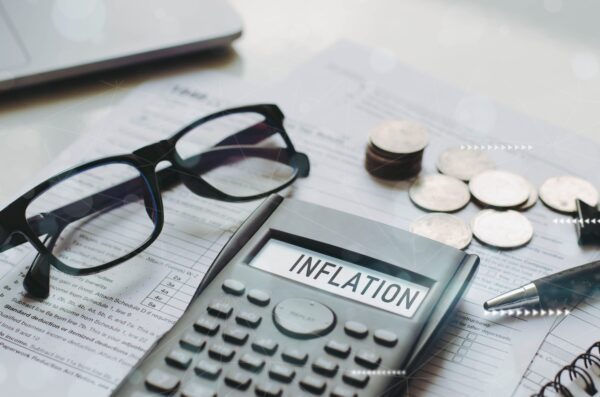
Higher prices for food and rents were offset by appreciable drops in energy costs, leaving the inflation rate unchanged over the last two months throughout the Riverside metropolitan area, according to a report released Wednesday by the U.S. Bureau of Labor Statistics.
The agency’s bimonthly report, which covers northwestern Riverside County, as well as the cities of Ontario and San Bernardino, indicated that even though rents rose 1.5% and food prices increased .6% in February and March, energy costs — influenced significantly by plummeting natural gas expenses — dropped 7.8%, keeping the metro area’s Consumer Price Index in check.
Over the previous 12 months, food costs increased 9% and shelter costs jumped 8.7%, the BLS stated. According to the agency, the metro CPI was up 4.6% in the one-year period ending March 31.
The BLS report showed pocketbook pressure nationwide was up .1% in the last month, but up 5% from March 2022 to March 2023.
The current rate of inflation reflects the elevated price trajectory impacting most sectors of the economy. The Riverside metro area hasn’t recorded a comparable inflationary pattern since the local CPI was first published in 2018, data showed.
The accelerating consumer price hikes have been blamed by the Biden administration on the war in Ukraine and consequent energy supply disruptions, but critics have pointed to the administration’s restrictive domestic energy policies, as well as excessive spending, including the flood of dollars contained in various relief packages, as root causes.
U.S. Treasury Secretary Janet Yellen acknowledged during congressional testimony last summer that inflation is the “top economic problem” facing the nation and that it would not be “transitory,” as she and Federal Reserve Bank Chair Jerome Powell had initially predicted.
The Fed’s Open Market Committee has been gradually adjusting its benchmark, or target, lending rate over the last year, with the most recent adjustment on March 22, bringing it to 4.75%, in an attempt to soak up excess liquidity and slow spending. It was unclear whether the hikes would continue in May, as Powell indicated earlier this year.