

California Attorney General Rob Bonta on Friday released the state’s fifth report on conditions at immigration detention facilities where federal authorities hold detainees before deporting them.
During inspections conducted at the seven U.S. Immigration and Customs Enforcement facilities last year, the California Department of Justice found that conditions have largely worsened as the Trump administration’s mass deportation campaign has caused overcrowding and led to limited resources including access to medical care and conditions of confinement.
Six detainees died between September and March — the highest number since the DOJ started reviewing immigration facilities in 2017.
State inspectors reported declining conditions for detainees experiencing inadequate medical care, delays in medical treatment, overcrowding, inadequate food, excessive use of force by detention facility guards and inadequate clothing, violating standards such as those guaranteeing nutritious meals, an adequate environment, reasonable uses of force, and adequate medical care.
State officials said the deaths and substandard conditions that fail to meet ICE’s own standards for facilities raise serious safety concerns as the detainee population grows and underscore the need for more robust oversight.
“This is cruel, inhumane, and unacceptable — and it is past time for the Trump Administration to do something about it,” Bonta said in a statement. “My office has worked tirelessly to shine a light on conditions at these facilities — and I hope this report will generate the rightful outrage and urgency necessary to improve conditions and protect detainees’ civil rights.”
Bonta said the deportation campaign in California “has led to a shocking increase in detainee populations — and facilities have been alarmingly unprepared to meet this new demand.” DOJ facility inspectors “found evidence of inadequate medical care and heard countless reports of disturbing, unsafe, and unsanitary conditions and a lack of basic necessities.”
A spokesperson for the U.S. Department of Homeland Security suggested self-deportation — the federal government is offering people in the nation illegally $2,600 and a free flight to their home country.
“We encourage every person here illegally to take advantage of this offer and reserve the chance to come back to the U.S. the right, legal way to live the American dream,” according to DHS, of which ICE is a division. “If not, you will be arrested and deported without a chance to return.”
While the statement did not directly address conditions in ICE facilities alleged in the California report, it emphasized that the well-being of detainees is a top priority.
“No lawbreakers in the history of human civilization have been treated better than illegal aliens in the United States,” according to DHS. “It is a longstanding practice to provide comprehensive medical care from the moment an alien enters ICE custody. This includes medical, dental and mental health intake screening within 12 hours of arriving at each detention facility, a full health assessment within 14 days of entering ICE custody or arrival at a facility and access to medical appointments and 24-hour emergency care.
“This is the best health care many aliens have received in their entire lives,” the DHS spokesperson said. “Meals are certified by dieticians. Ensuring the safety, security and well-being of individuals in our custody is a top priority at ICE.”
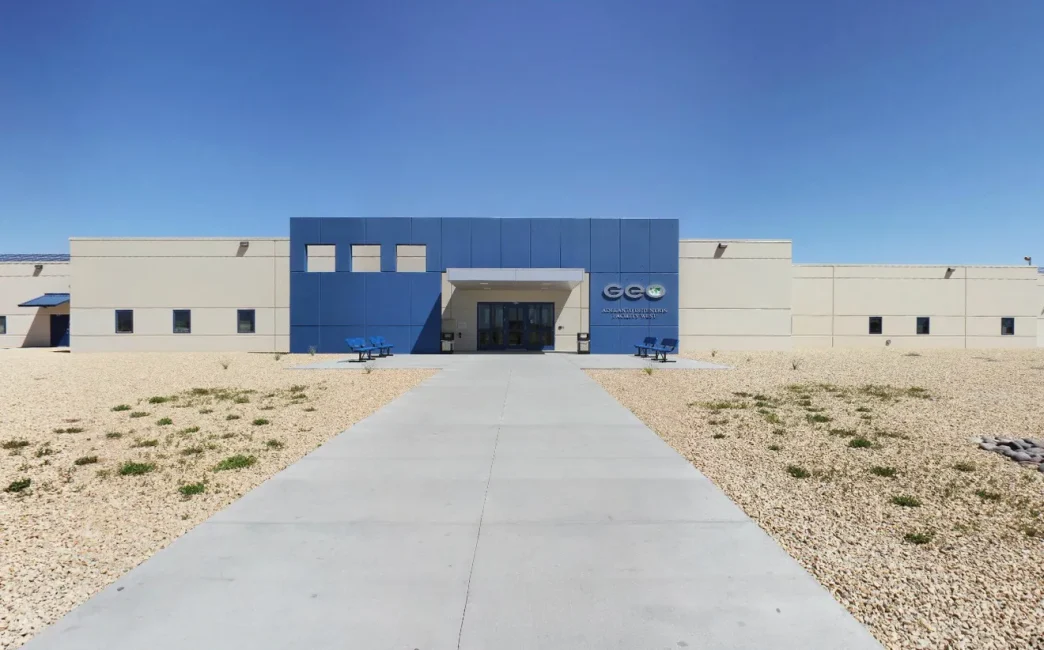
For its fifth report, DOJ inspected the seven facilities active in 2025 in the state operating under contracts with ICE, including the recently opened California City Detention Facility in Kern County about 100 miles from Los Angeles. While finalizing the report, inspectors discovered that an eighth facility, Central Valley Annex, began accepting ICE detainees in April, and reports suggest ICE may seek to open additional facilities in the future, according to state officials.
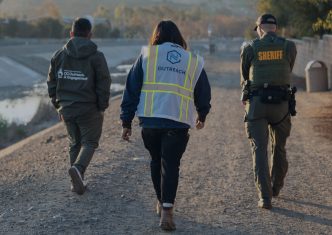
DOJ reviewers that included correctional and health care experts toured each facility, reviewed and analyzed logs, policies, detainee records and other documentation and interviewed detention staff and 194 detained individuals in the seven detention facilities.
DOJ’s inspections found “an unprecedented” 162% increase from 2,303 detainees at the time of 2023 site visits to 6,028 in 2025.
“This, in part, appears to be driven by the Trump Administration’s refusal to release detainees on bond, coupled with its aggressive mass detention and deportation campaign,” DOJ officials said. “Notably, despite the Trump administration’s claims it has targeted ‘criminals,’ most of these individuals had no criminal history and were classified as low security.”
As the detainee population soared, intake procedures and other operations were severely strained. State inspectors identified multiple violations of ICE detention policies relating to confinement conditions and basic medical health care at all seven active facilities.
There was much variation in detainee experience across these facilities, officials said.
Inspectors’ observations in the report include:
“Insufficient staffing — Staffing levels have not kept pace with the needs created by the dramatic surge in apprehension and confinement of detainees. California City, in particular, was inadequately staffed when the facility opened and not ready to accept detainees,” according to Bonta’s DOJ. “The detainee population at (the Adelanto ICE Processing Center) where four deaths recently occurred, increased from 7 in 2023 to 1,570 by early July 2025, while medical and detention staffing levels failed to meet the needs of the surge of detainees held.
“Inadequate medical access — Detainees at all the facilities reported being unable to consistently access requested medical appointments or receive necessary and timely medical treatment, including emergency medical care, contributing to preventable medical crises. Across most facilities, detainees with chronic and acute medical conditions did not consistently receive necessary referrals for follow-up medical care, either within the facility or with outside medical providers.
“Lengthy and overcrowded intake process: Detention facilities are required to complete the intake process for new detainees, including a medical and mental health screening, no more than 12 hours after their arrival. During the surge in detentions, detainees at several facilities reported waiting days and even weeks before receiving a classification, housing assignment, and medical screening. While they waited to be processed, some detainees reported sleeping on the floor without access to basic necessities, such as water or clothing.
“Unsafe, inadequate, and/or inaccessible food and water — Across most facilities, detainees reported improperly cooked food, failure to receive dietary or allergy accommodations, irregular mealtimes, and issues with accessing clean potable water. At Adelanto, detainees reported water coolers remaining empty for hours and DOJ witnessed murky drinking water coming out of the tap in the women’s housing unit. At Golden State Annex and Mesa Verde, detainees reported spending approximately $50-$150 per week on commissary items to satisfy their hunger.
“Failure to provide basic necessities — Detainees across multiple facilities reported living in extremely unsanitary and hazardous conditions, with problems accessing basic necessities. At California City, detainees described experiencing extremely cold temperatures, with leaks during rainy periods, and a lack of weather-appropriate clothing. To protect themselves from the cold, detainees modified socks to improvise sleeves and covered air vents in their cells with sheets of paper.
“Due process barriers — Detainees were denied access to facility phones for prolonged periods at some facilities, and there were language barriers impeding detainees’ ability to understand the facilities’ process and rules.
“Use of force concerns — Staff at some facilities, such as Adelanto and Desert View, appeared to be overutilizing discipline and use of force, with multiple reported incidents of facilities using pepper spray against detainees.
“Pat downs and strip searches — Otay Mesa is the only facility in California with a policy and practice to strip search detainees after each non-legal contact visit. Detainees reported that this practice has an overwhelming negative impact on the mental health and dignity of detainees.”
In addition to Adelanto, California City and the Central Valley Annex, DOJ inspectors visited the Desert View Annex in Adelanto, the Mesa Verde ICE Processing Center in Bakersfield, Otay Mesa Detention Center in San Diego, the Imperial Regional Detention Facility near the U.S.-Mexico border in Calexico and the Golden State Annex in McFarland, according to the report.
DOJ officials noted the attorney general’s prior actions related to ICE’s mass deportations.
In March, Bonta filed an amicus brief supporting a lawsuit by detainees over the conditions at the Adelanto Processing Center in San Bernardino County. Bonta also supported Senate Bill 941 to prohibit the excessive price markup of products sold at immigration detention facilities.
Last year, he sent a letter to the U.S. Department of Homeland Security about dangerous conditions at the recently opened California City Detention Facility, and he has repeatedly opposed the administration’s no-bond policy, which requires the indefinite detention of vast numbers of people without immigration credentials the opportunity for a bond hearing. Bonta co-lead six multi-state amicus briefs in support of lawsuits challenging the policy.
The California Legislature enacted reviews of ICE facilities during the first Trump administration. The law calls for reviews through July 1, 2027, and Senate Bill 1399 seeks to remove the law’s sunset provision.
DOJ has published four reports on conditions in immigration detention facilities in California in 2019, 2021, 2022 and 2025. The complete 2026 report is available on the DOJ website.
The DOJ will host a Community Briefing on June 9 from 1-2 p.m. and share the report’s findings, officials said.