

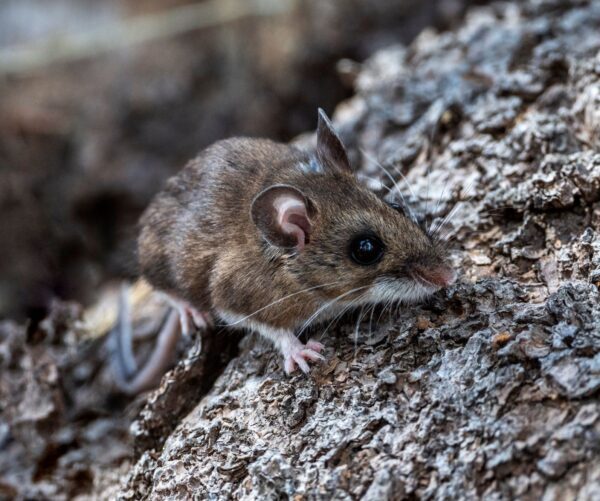
Three deer mice collected near Mount Laguna tested positive for the potentially deadly hantavirus, county officials announced this week.
The sample was collected Wednesday during routine monitoring, according to the San Diego County Department of Environmental Health and Quality.
It is not uncommon to find hantavirus in wild rodents in San Diego County — this is the 13th detection of the virus in 2023 — but people are rarely exposed to it because wild rodents tend to live away from humans, officials said. The virus can cause deadly infections in people, and there is no vaccine or cure.
Officials reminded people to never sweep or vacuum up after wild rodents if they find them in their homes, garages, sheds, cabins or other living spaces. People should use “wet-cleaning” methods instead to keep from breathing in the virus and getting sick.
People can be exposed to hantavirus when wild rodents shed the virus in their urine, feces and saliva and after the matter dries, it is stirred into the air and people breathe it in.
Symptoms usually develop from one to eight weeks after exposure and include severe muscle aches, chills, fever or fatigue, headache or dizziness, nausea, vomiting or stomach pain and difficulty breathing. Anyone who thinks they might have been exposed to hantavirus should seek medical attention immediately.
To avoid exposure, residents should seal up all external holes larger than a dime in homes, garages and sheds to keep rodents from getting in, eliminate rodent infestations immediately, avoid rodent-infested areas and not stir up dust or materials that may be contaminated with rodent droppings or urine.
The “wet-cleaning method” consists of:
- ventilating the affected area by opening doors and windows for at least 30 minutes;
- using gloves and spraying a 10% bleach solution or other disinfectants onto dead rodents, rodent droppings, nests, contaminated traps and surrounding areas and letting the disinfectant stand for at least 15 minutes before cleaning;
- cleaning with a sponge or mop that has been soaked in disinfectant;
- placing disinfected debris into two plastic bags, sealing them and discarding in the trash, washing gloves in a bleach solution, then with soap and water, and disposing of them using the same double-bag method; and
- thoroughly washing hands with soap and water.