

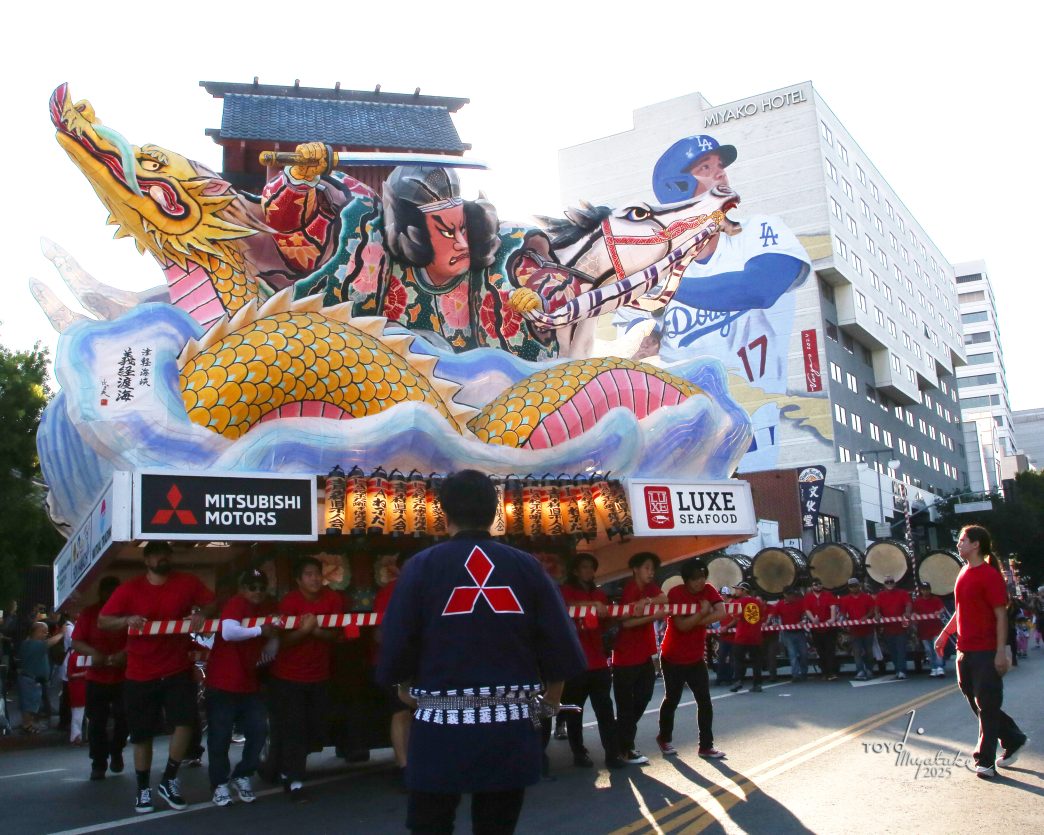
Every year in mid-August, Little Tokyo in downtown Los Angeles becomes the site of the Nisei Week Festival. According to cultural scholar and writer Oliver Wang, Ph.D., this event began in 1934 as a way to encourage cultural pride in the community by an emergent second generation of Japanese Americans — the Nisei — who wanted to stake out a space for themselves within a community that up to that point had been largely dominated by their Nikkei parents and their generation.
Nisei Week quickly grew to become an annual celebration of the Japanese American community and further anchored Little Tokyo as the center of the Nikkei community in the southland. As a tradition, it continued throughout the rest of the 1930s up to the summer of 1941 and went on hiatus because of the Japanese American incarceration. It resumed in 1949 and has been held every year since, except during the coronavirus pandemic.
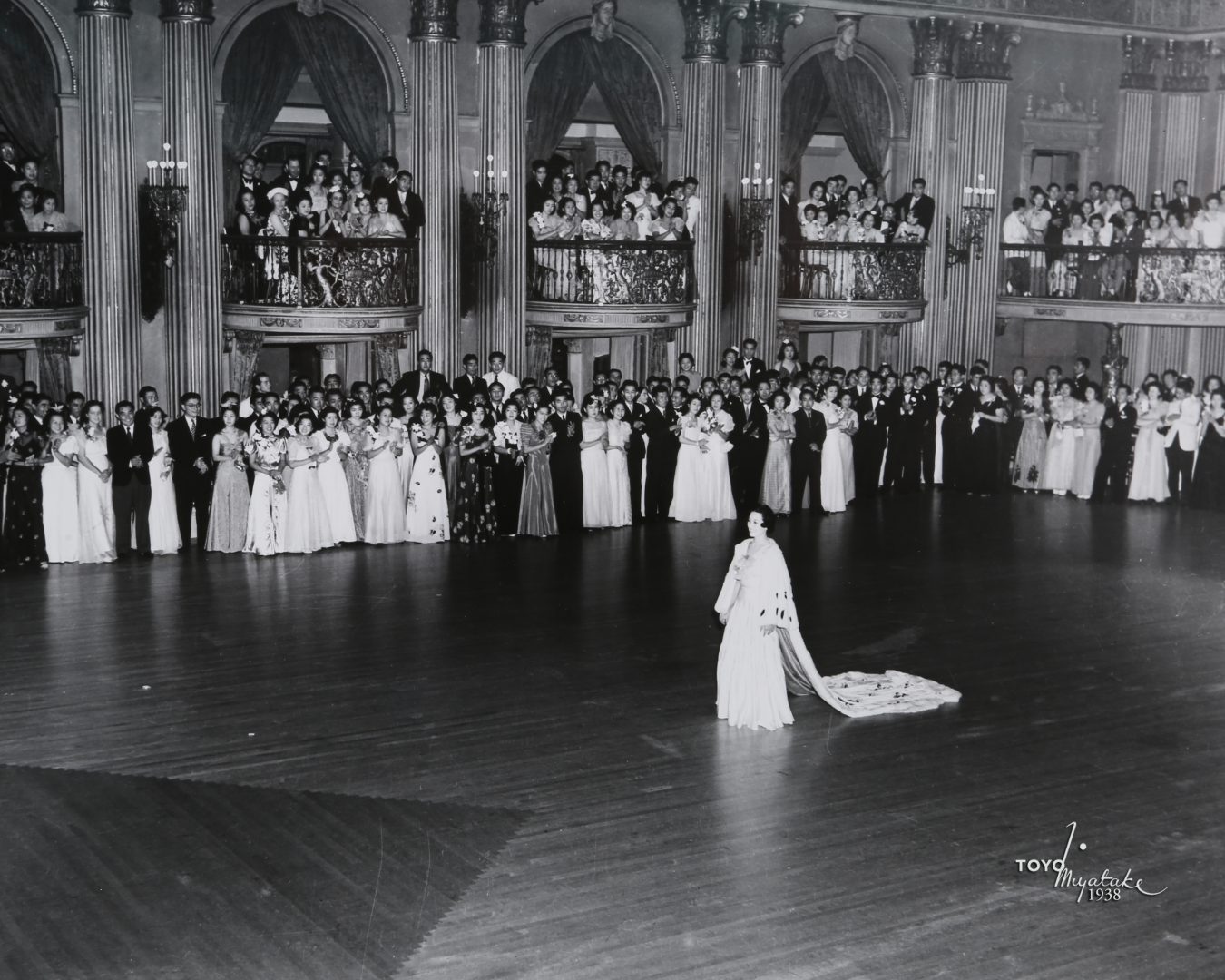
What started as a weeklong celebration of Japanese culture and history meant to appeal to the Nisei later drew people from all over Southern California. Additionally, the festival has extended beyond seven days to the multiweek event it is today that attracts 30,000 attendees from various ethnic groups.
This year marks the 84th year the festival is being celebrated, starting Saturday, Aug. 15 and continuing through Aug. 23.
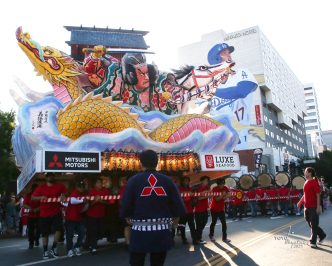
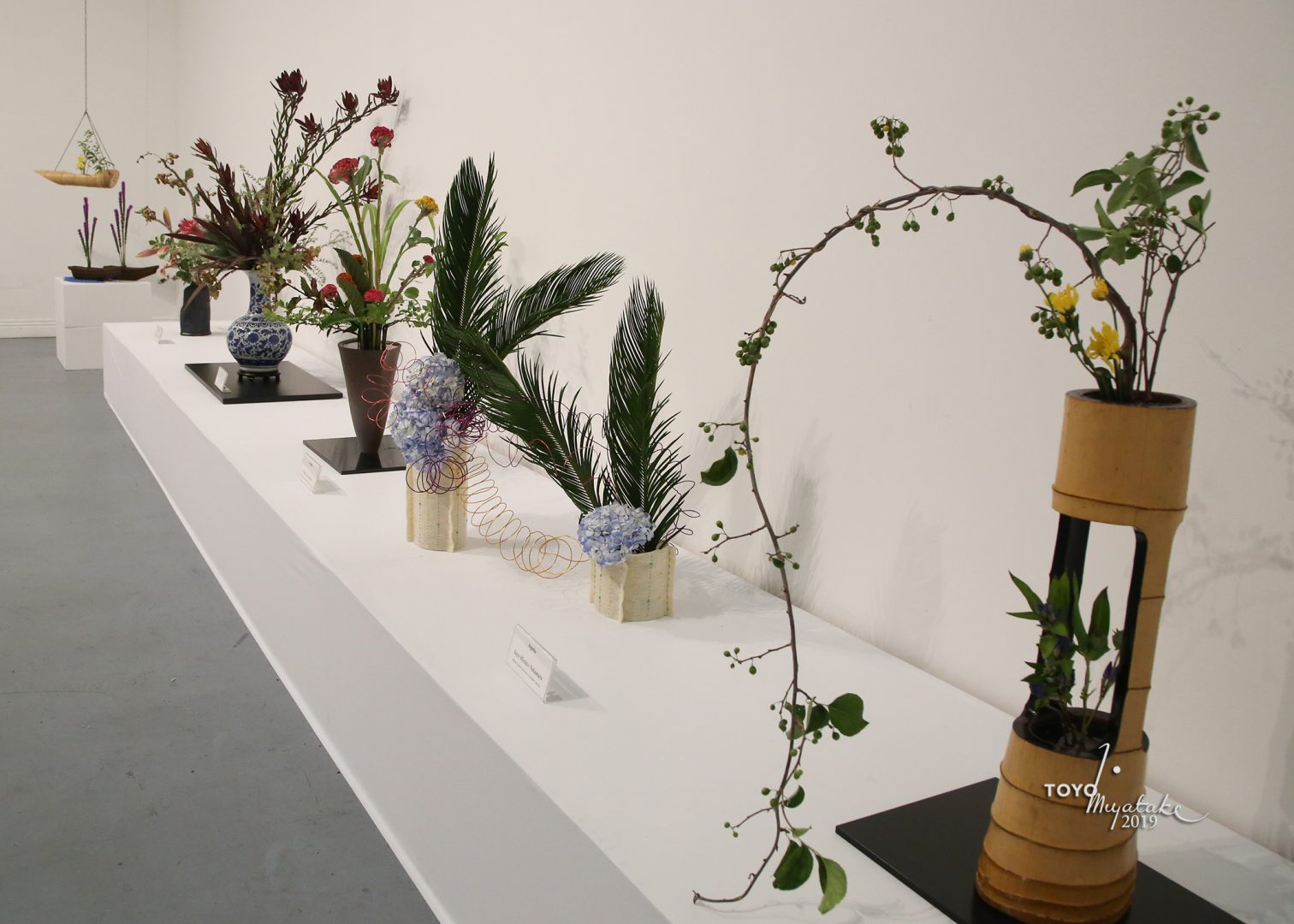
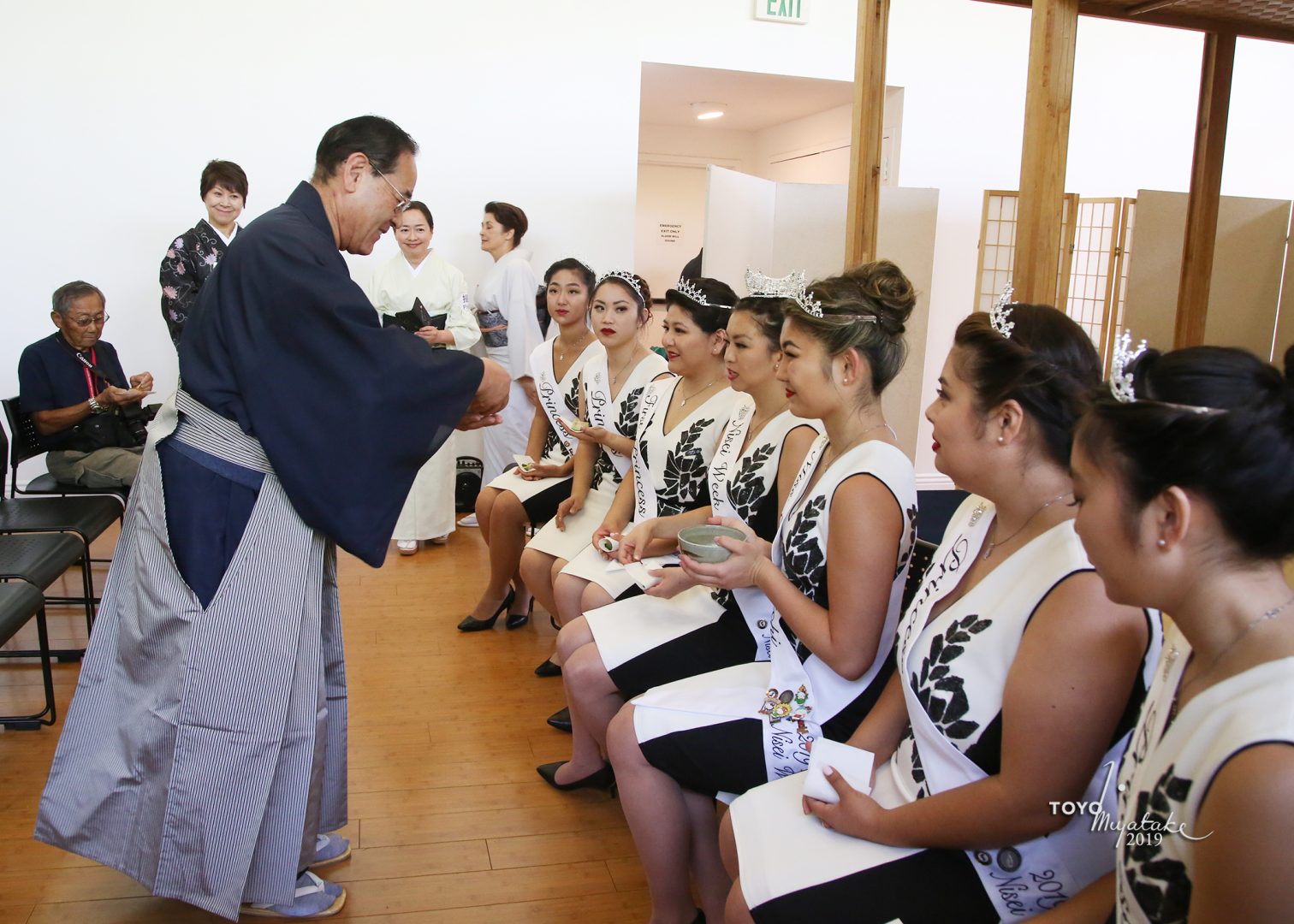
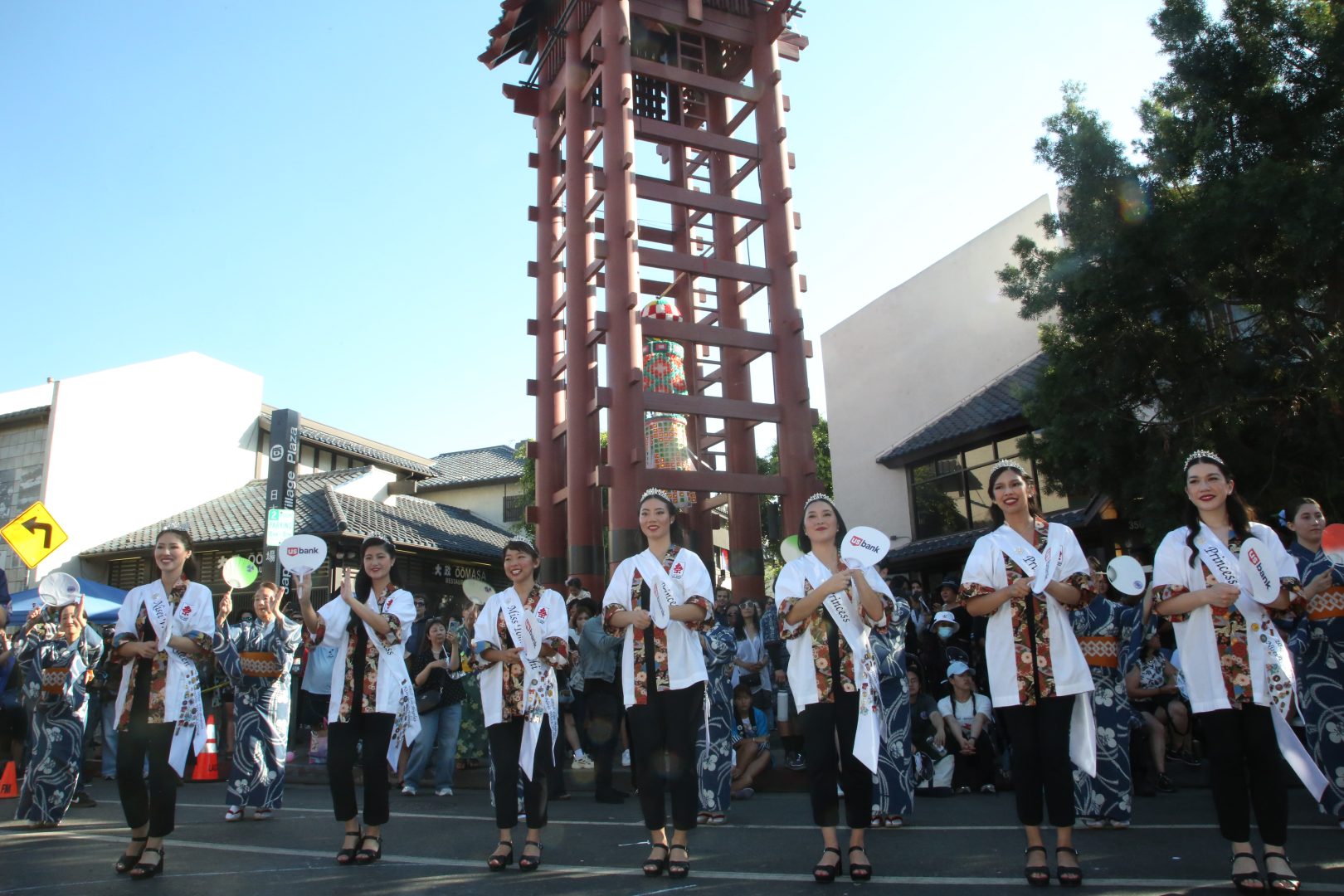
The Grand Parade featuring Japanese dancers, marching bands, musical groups and floats will travel through the streets of Little Tokyo. The Japanese American Cultural and Community Center will host the Plaza Festival, where food booths, live music, cultural exhibitions and family games await visitors. Cultural exhibitions showcasing Japanese arts like bonsai, ceramics, ikebana flower arrangements and tea ceremonies are not to be missed. Other special activities include the coronation of the Nisei Week Queen and Court and the Pioneer Spirit Awards Luncheon. The festival ends with the Ondo Public Street Dancing and Closing Ceremony.
While several events from the first time the festival was held have remained to the present, other activities were added and later replaced by something else. In 1980, the 5K race organized by the Japanese American Optimist Club became part of the festivities. In the 1970s and ’80s Nisei Week incorporated car cruising — a rite-of-passage among Japanese American youth. Wang recounts this event in his book “Cruising J-Town: Japanese American Car Culture in Los Angeles.”
“As best we know, the Nisei Week Cruise was a phenomenon that started in the 1970s,” relates Wang. “And certainly by the late ’70s into the ’80s it became the single biggest annual gathering of Japanese American car fanatics. Thousands of people lined up on the sidewalks and watched hundreds of cars and motorcycles on the street going around the carnival grounds. It was a really huge deal for the car owners because they would spend their entire summer getting their cars ready.”
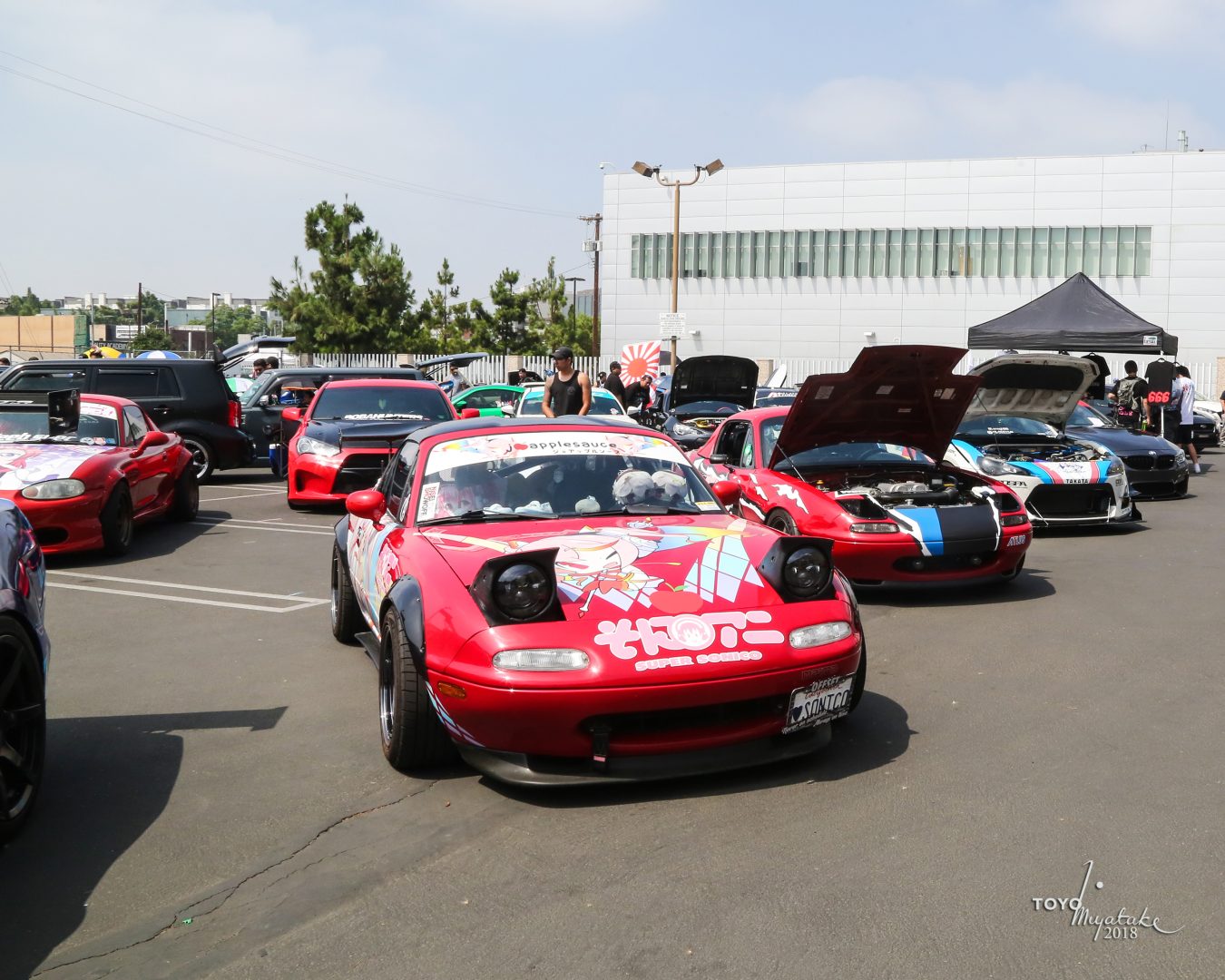
“Because it was the last major event of the summer, Nisei Week Cruise ended up becoming the ‘Super Bowl’ of cruises,” Wang adds. “It was the pinnacle event that people spent their entire summer getting their cars ready for. The last cruise occurred in the summer of 1988; by 1989 the organizers and the LAPD voted to shut it down. There had always been ambivalence among the organizers from the noise and safety point of view. By the 1990s Nisei Week began hosting a car show instead as a compromise.”
Helen Ota, the 2026 Nisei Week Festival president, reveals an event that will be featured for the first time this year.
“The JX Matsuri will take place on Sunday, Aug. 16 at Weller Court,” Ota says. “This event is being organized by Japan Crossover (JX) and will be a call back to the days when Nisei Week had its popular carnival many years ago. There will be game booths, food and entertainment from 11 a.m. to 4 p.m. When JX Matsuri concludes, the Grand Parade will begin, so the attendees will be able to stay afterwards to enjoy this beloved tradition.”
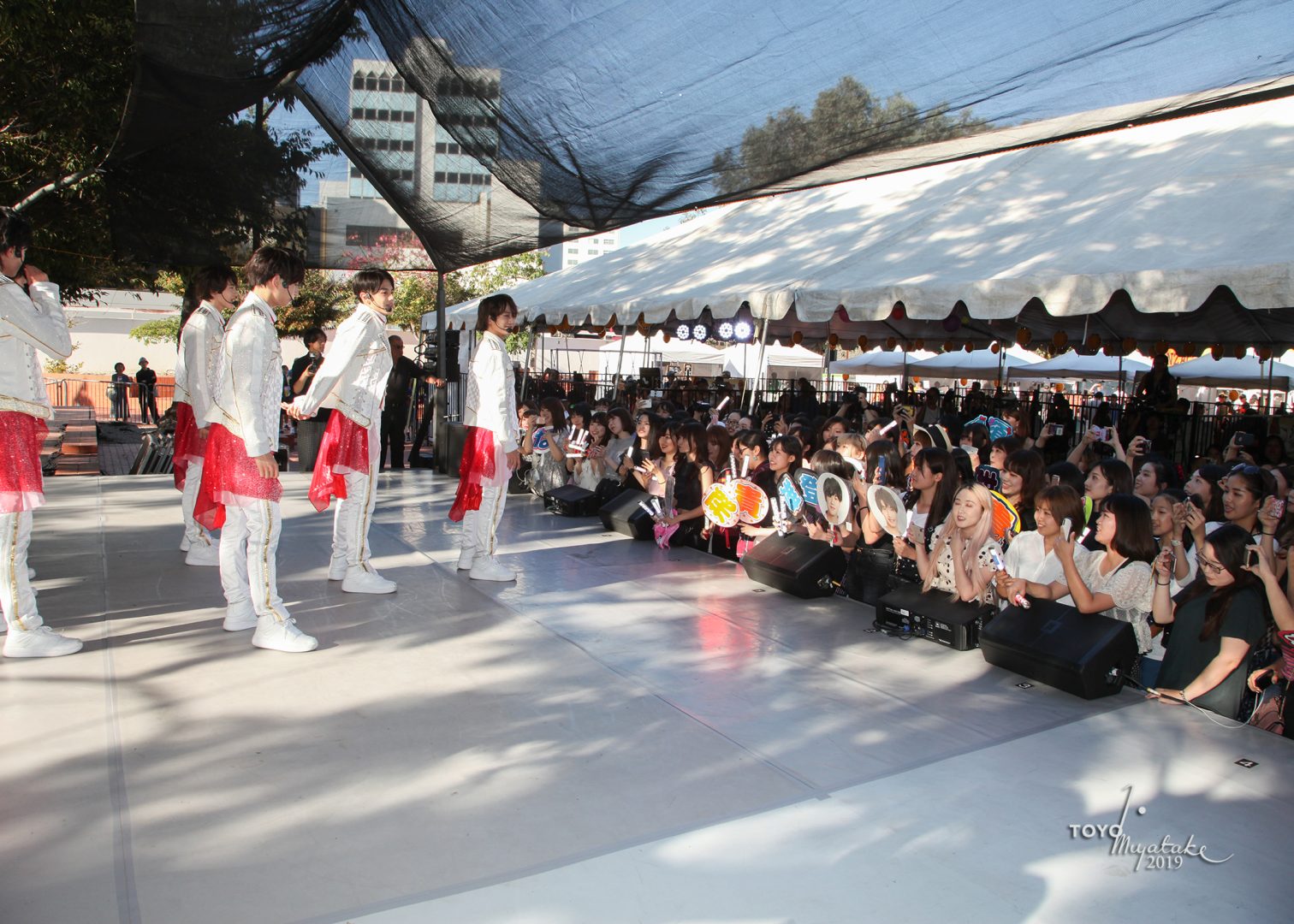
But Nisei Week’s evolution isn’t only reflected by the activities.
“The Nisei Week Japanese Festival has evolved over the years by engaging the rising generation to be involved as committee members and taking on leadership roles,” Ota declares. “At the same time, we look to our longstanding board members and volunteers to provide institutional knowledge to carry on the tradition and understand the significance of the Nisei Week Japanese Festival. This has allowed the Nisei Week Foundation to remain grounded in tradition while being mindful of who our audience is today and what they might be interested in seeing at the festival. Through this lens, we’ve been able to partner and collaborate with different organizations to continue to enhance the festival.”
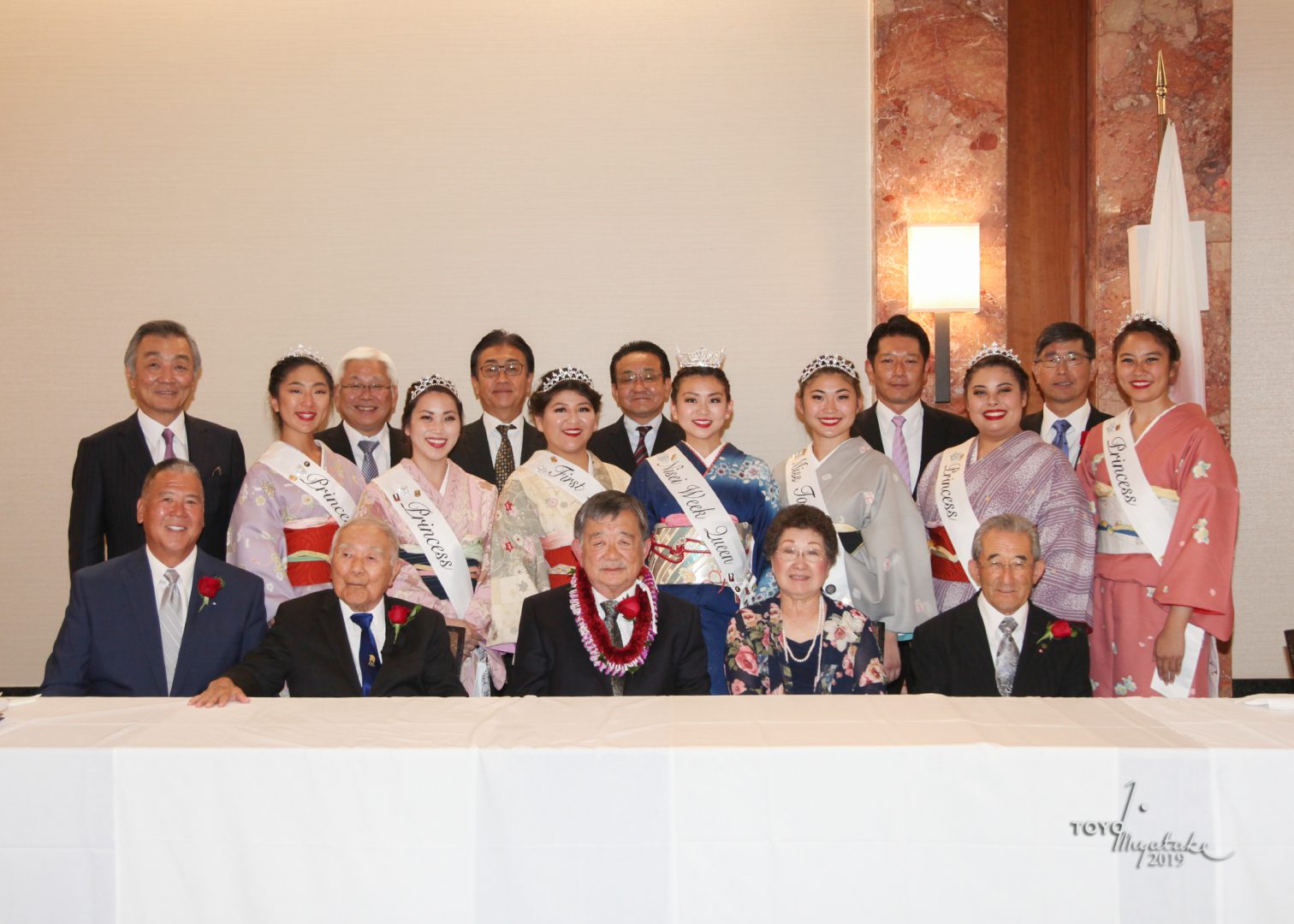
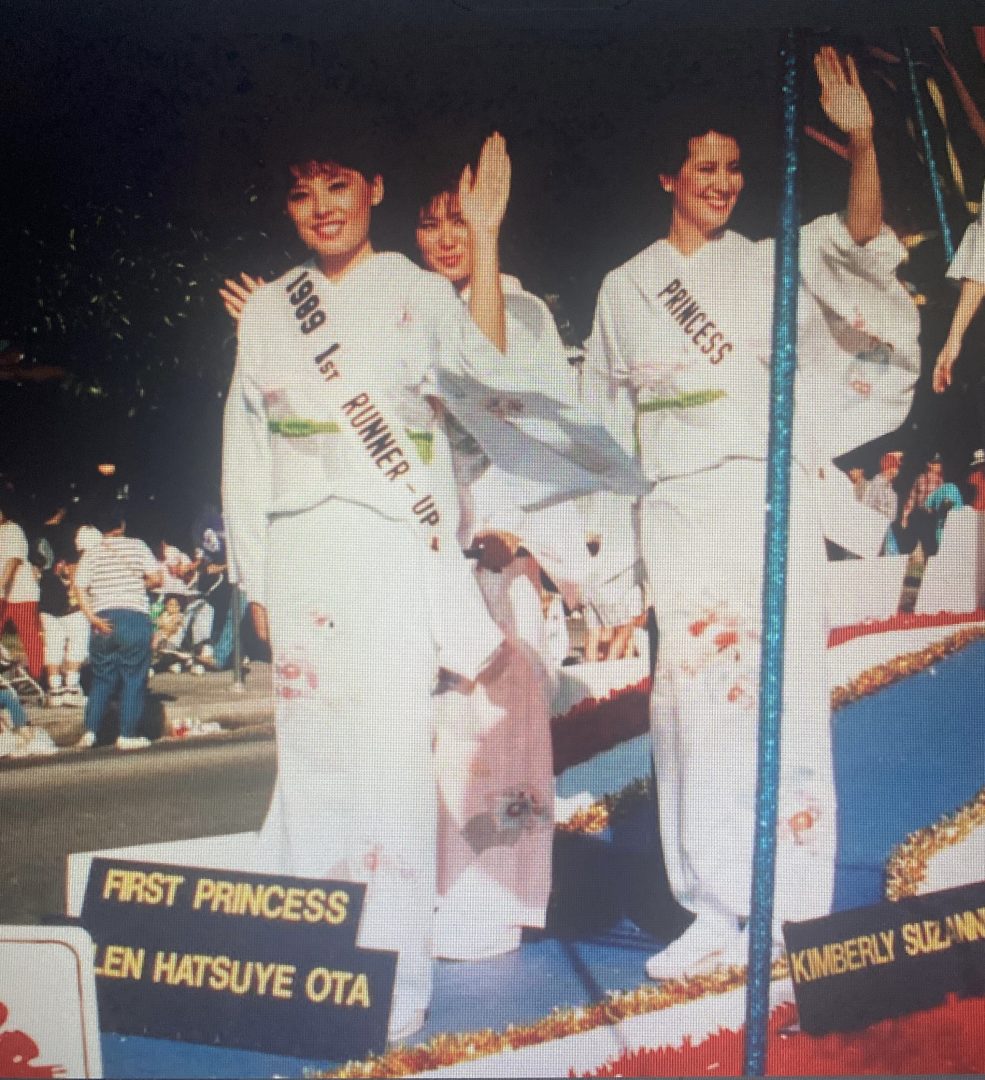
Unlike many LA-area Japanese Americans, Ota didn’t go to Nisei Week growing up.
“My first experience was participating in the Grand Parade in the ’80s,” Recalls Ota. “I remember it being hot, but enjoying being part of the festival with the community. I started becoming involved with organizing Nisei Week ten years after I was on the Nisei Week Court. In 1999, I co-chaired the Queen and Court Program Committee and helped to initiate a leadership component within the program. I took on more leadership roles and learned much from my mentor, the late Frances Hashimoto. Soon after, I was elected as a board member of the Nisei Week Foundation.”
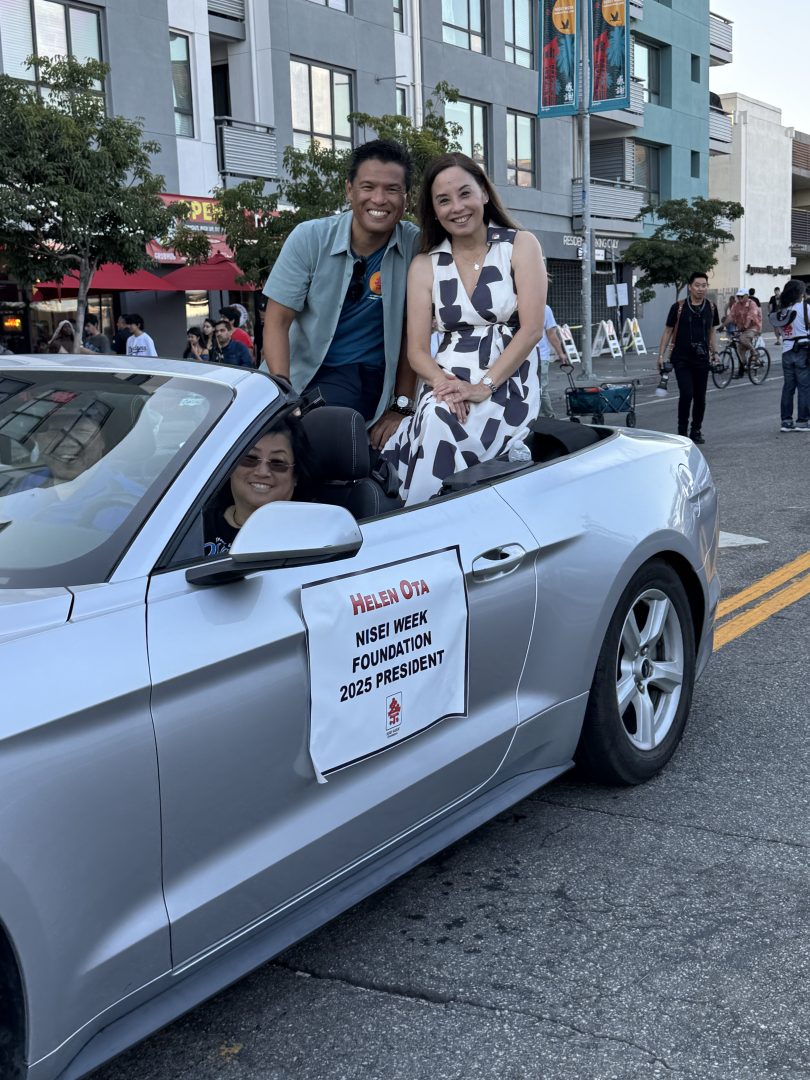
Presiding over the yearly festival isn’t new to Ota.
“This is the third time I’m serving as president,” she says. “The first year was in 2008 and the second time was in 2025. My responsibilities are to lead the Nisei Week Foundation board to plan for the festival every year, work with the different committees that organize each Nisei Week Japanese Festival event, collaborate with our partners and stakeholders, and work with the Little Tokyo community.”
It is a role she doesn’t take lightly.
“Having this position is very meaningful,” Ota explains. “It has allowed me to give back to Nisei Week and the community at large. I’ve been fortunate to have worked with several organizations and community leaders who inspire and provide me with great support. Serving as a representative of the Nisei Week Foundation and its festival has allowed me to appreciate Little Tokyo and the community with a grateful heart.”
Nisei Week is an all-volunteer organization with no full time staff, with over 100 volunteers involved throughout the year. According to Ota, planning for each festival begins shortly after it ends in August.
“The Nisei Week Japanese Festival is a celebration of Japanese and Japanese American arts, culture, and community,” Ota emphasizes. “With only three historic Japantowns remaining in the U.S., we hope to connect communities throughout Southern California and beyond to Little Tokyo and discover the rich history and cultural arts it offers.”
Asked if there has been a particularly memorable Nisei Week for her, Ota replies, “Each year has been memorable, which goes along with our theme this year, ‘ichigo ichie.’ It means one time, one meeting in Japanese and signifies that every moment is unique, unrepeatable, and should be treasured. Although we have a festival every August, each one has been a unique and remarkable experience because of the community and the people who come out to support us.”
For numerous Japanese Americans living in Southern California, Nisei Week is an annual tradition that was very much a part of their youth and a ritual they passed on to their children. And to this day multigenerational families go to Little Tokyo for the food, exhibitions, parades and street dancing. For them it is an enjoyable summer adventure that, at the same time, preserves their cultural heritage.