


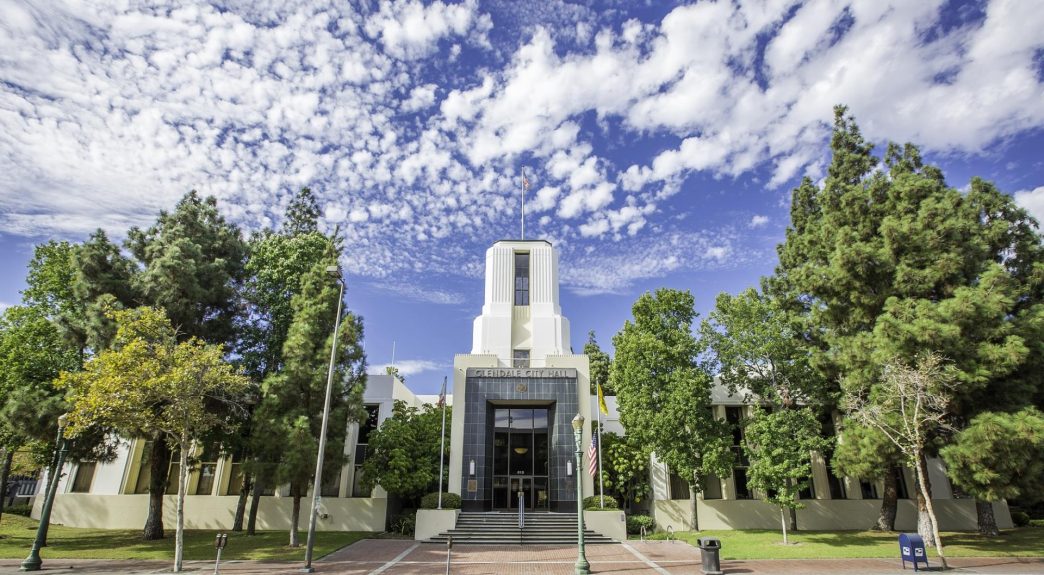
Glendale is staring down a projected $60 million structural budget deficit over the next five years, and city leaders spent a day-long retreat Thursday mapping out how to close the gap without gutting services for residents.
Finance Director Shijie “Jack” Liang told the council Glendale faces a structural imbalance — revenues not growing as fast as expenditures, driven largely by inflation — averaging roughly $12 million a year. Under current projections, the city’s reserve percentage would dip below its 25% minimum by fiscal year 2029-30.
The workshop, held off-site at the Hilton Hotel, produced no formal votes or budget action. Instead, the council and senior staff worked through how to attack the deficit on both sides of the ledger, with facilitator Rod Gould, a retired city manager who has served in Monrovia, Santa Monica and other California cities, warning against approaches that have failed elsewhere.
Gould cautioned against “walling off public safety” spending — which he said represents 66% of the general fund budget — as well as across-the-board percentage cuts, wage freezes and raiding reserve funds. He recommended a comprehensive review of fees and charges to determine how much cost the city should recover for individual-benefit services.
“Look at the direct costs of providing them and the indirect cost, because you have to look at the total to really understand what it’s costing the city of Glendale to provide these services,” Gould said. “Then decide how much of that you want to subsidize with general tax dollars. That hasn’t been done to my knowledge.”
Council members pushed back on parts of that framing. Councilwoman Elen Asatryan said she had “kind of lost faith in the forecasts,” arguing a decade of projections had shown deficit scenarios that did not materialize.
According to Liang, a $3 million variance in the city’s general fund totaling more than $300 million amounts to only about 1%.
Asatryan also challenged a cuts-first culture, saying the city should emphasize revenue generation and accountability rather than treating every priority as requiring new spending.
“What’s needed is accountability and measurable goals that staff needs to meet, and that goes across the board,” she said.
On streamlining the city’s permit approval process, “I’m not looking to have additional people hired for that,” Asatryan said. “I’m looking for process changes that make things more efficient.”
Glendale City Manager Roubik Golanian countered that drastically reducing permit timelines will require additional staffing, saying “changing processes can only go so far” and drastically reducing timelines for permits is going to require additional staffing.
The council did reach an informal consensus on a tiered priority framework: fiscal stability as a baseline, with mobility and traffic safety, infrastructure reinvestment, and economic development in the first tier, and permit streamlining, environmental sustainability, and housing affordability in the second.
Councilman Daniel Brotman dissented on housing’s placement, arguing a survey of residents that identified housing and traffic safety as top concerns.
The session also revealed frustration over the city’s individual council request system, which staff said has logged 111 requests since 2023, with 35 items in progress and four not yet started.
“We simply don’t have the staffing and the funding resources to achieve all your all your worthwhile, and I emphasize that, initiatives in a reasonable amount of time were as expected, which makes focusing on your collective priorities vitally important,” Golanian told the council.
Asatryan said “there’s politics that’s played.. with the city manager” determining which council members’ initiatives get staff attention, citing projects that have been on hold for four years.
Mayor Ardashes Kassakhian framed the retreat as a chance to rebuild public trust, arguing the city must do a better job telling its story before asking voters to support future tax measures.
The AI platform Civilio assisted this report.