

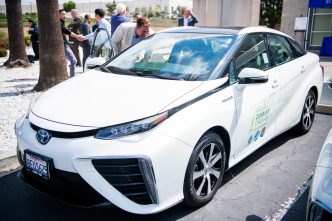
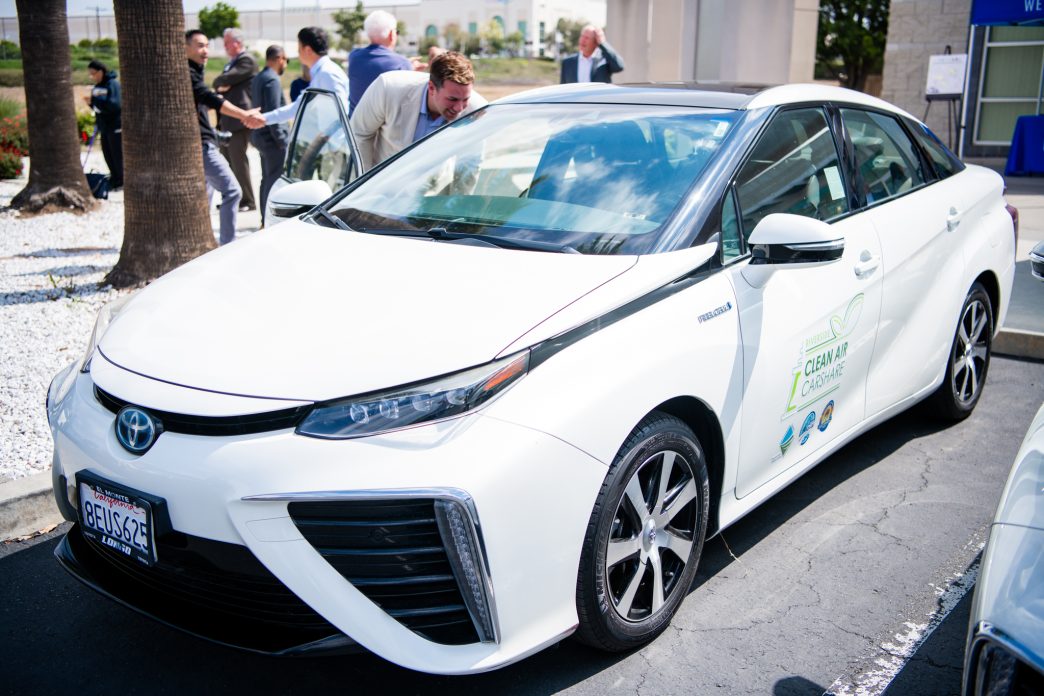
Riverside has launched the Clean Air Carshare program featuring a hydrogen-powered carsharing fleet for carbon-free, affordable and accessible transportation in the city’s underserved areas.
In addition to helping to improve air quality, the RCAC program is a big step in the effort to bolster “equitable access to zero-emission vehicles,” according to a city statement. The program focuses on “first-and-last-mile transportation gaps,” aiming to enhance access to public transit for neighborhoods that have historically lacked transportation options.
The program is a partnership involving the city; Mobility Development Operations LLC, or MDO, which provides a vehicle-sharing platform that includes a smartphone app, operational support and other resources; the University of California, Riverside’s Center for Environmental Research and Technology, or CE-CERT; CALSTART, a nonprofit organization that works to advance for clean transportation options; and the California Air Resources Board, which monitors air quality.
The MDO app that is required to use the new carshare service is available for downloading from Google Play or the Apple App Store.
It was not immediately clear how much Riverside residents would pay to use the new service, but MDO’s website says rates are $4-$6 hourly with a one-time $10-$20 processing fee.
Officials held an event to officially launch the Riverside Clean Air Carshare program at UC Riverside’s CE-CERT.
“This project is a great example of how public-private partnerships can implement real-world, data-driven transportation solutions,” Matthew Barth, associate dean for research and graduate education at UC Riverside, said in a statement. “CE-CERT is proud to support a program that directly benefits the Riverside community while advancing California’s climate goals.”
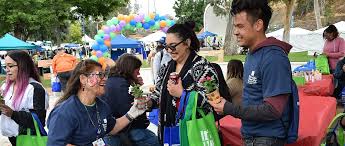
The launch event took place in CE-CERT’s parking lot and featured remarks from city officials, program partners and clean transportation advocates. Attendees had the opportunity to explore hydrogen fuel cell vehicles and participate in “ride-and-drive” demonstrations.
Officials noted how the RCAC program fits into California’s climate and equity goals.
“This program is built to serve the communities that need it most,” Mobility Development Operations COO James Delgado said in a statement. “We’re making clean mobility something that’s not just talked about in the future, but used today — by real people, in real neighborhoods.”
The RCAC program’s fleet runs on fuel cell technology that is a zero-emission alternative for everyday transportation, officials said. Designed with underserved communities in mind, the program provides residents with an affordable mobility option that also supports public health and climate resilience efforts.
“We’re building a transportation system that reflects our values: innovation, inclusion, and environmental responsibility,” Mayor Patricia Lock Dawson said in a statement. “This program brings those values to life on our streets.”
The program is funded by the state’s Clean Mobility Options Pilot Program, which directs cap-and-trade revenue toward projects that aim to lower greenhouse gas emissions and benefit low-income and disadvantaged communities. Additional funding is from the California Energy Commission’s Clean Transportation Program, which has provided more than $1 billion for zero-emission transportation infrastructure, in-state manufacturing, and workforce development, according to the city.
More information on CMO is online at cleanmobilityoptions.org.