

Did you get more exercise during COVID-19 lockdowns?
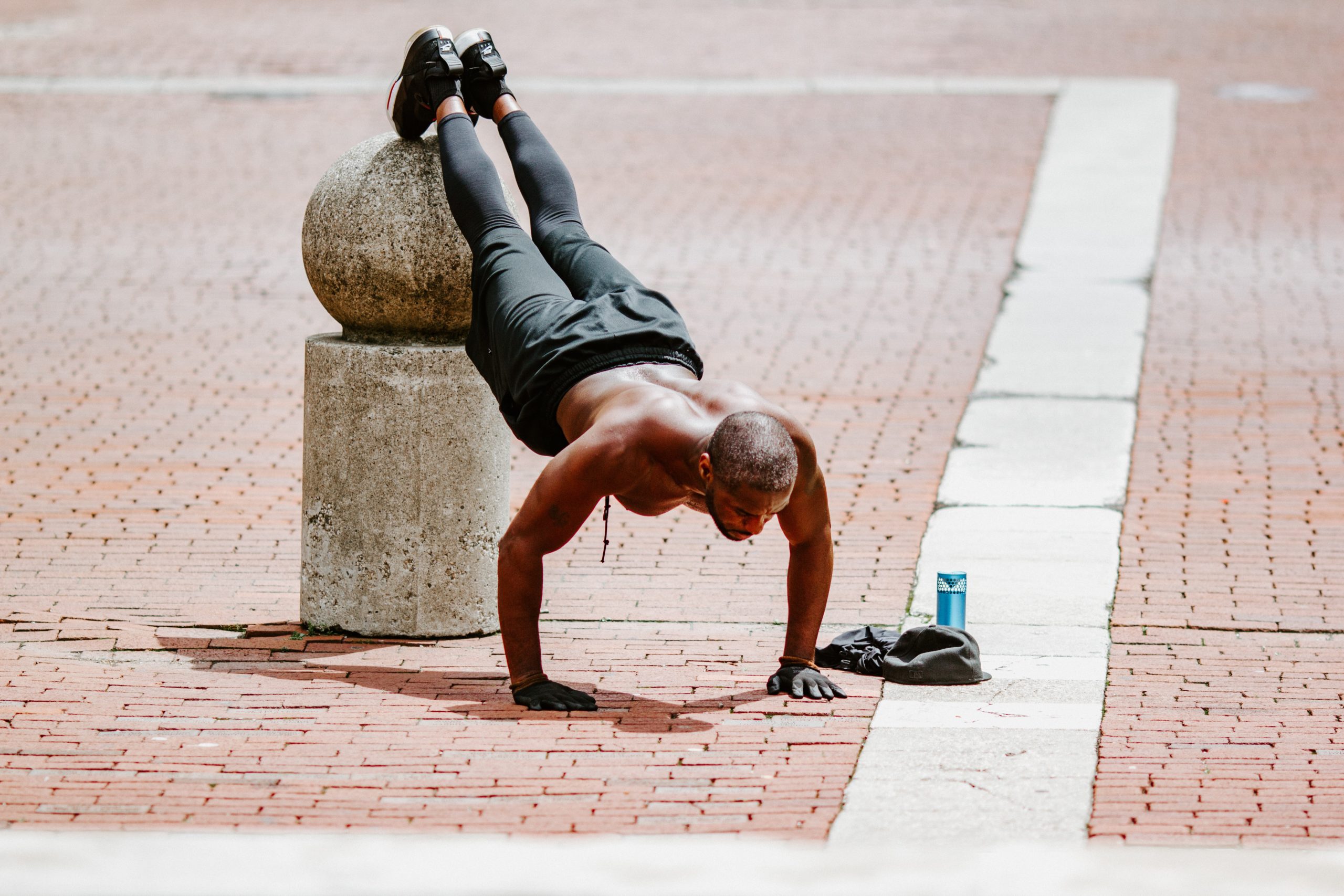
A new study from Kaiser Permanente shows that people who exercised more generally experienced less anxiety and depression than those who remained sedentary. Spending time outdoors during the lockdowns also led to lower anxiety and depression levels, according to researchers.
“What these study findings tell us is that even during an active pandemic or other public health crisis, people should be encouraged to be physically active to help maintain their physical and mental health,” study lead author Deborah Rohm Young, director of the Division of Behavioral Research for the Kaiser Permanente Southern California Department of Research & Evaluation, said in a statement. “Parks and other nature areas should remain open during public health emergencies to encourage outdoor physical activity.”
The study, released Thursday, was based on a survey of more than 20,000 people in Kaiser Permanente service areas — Hawaii, Colorado, Georgia, the mid-Atlantic states, and Southern and Northern California. Survey responses were collected between April and July of 2020.
The study found that female and younger respondents experienced more anxiety and depression during the lockdown, while Asian and Black respondents had less anxiety and depression than white respondents.
People who said they did not take part in physical activity reported the highest depression and anxiety, and levels were also higher among those who spent less time outdoors.
“What we learned from these findings is that during future emergencies it will be important to carefully weigh the decisions to close parks and outdoor areas against the negative impact those closures may have on people’s mental health,” Young said.