


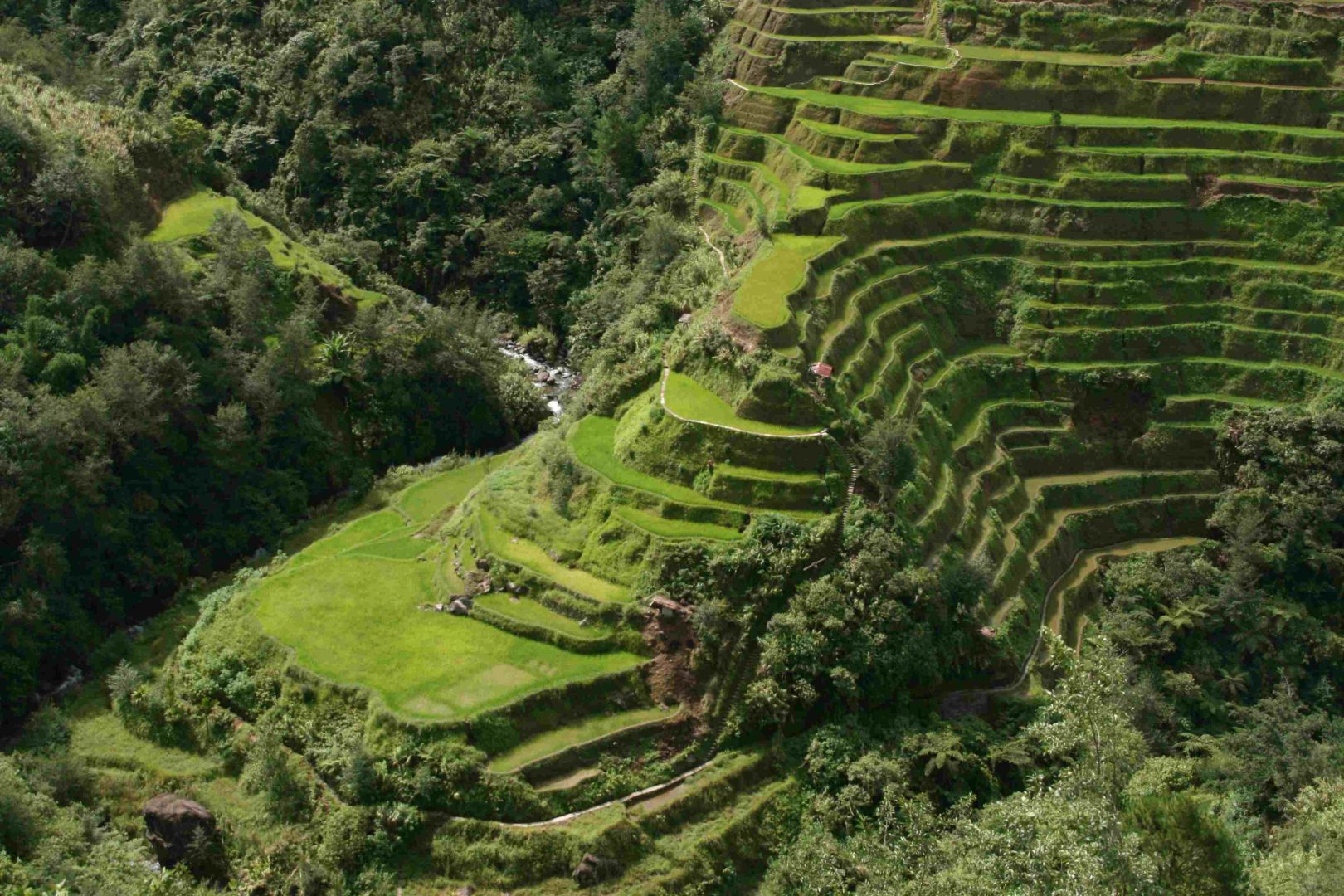
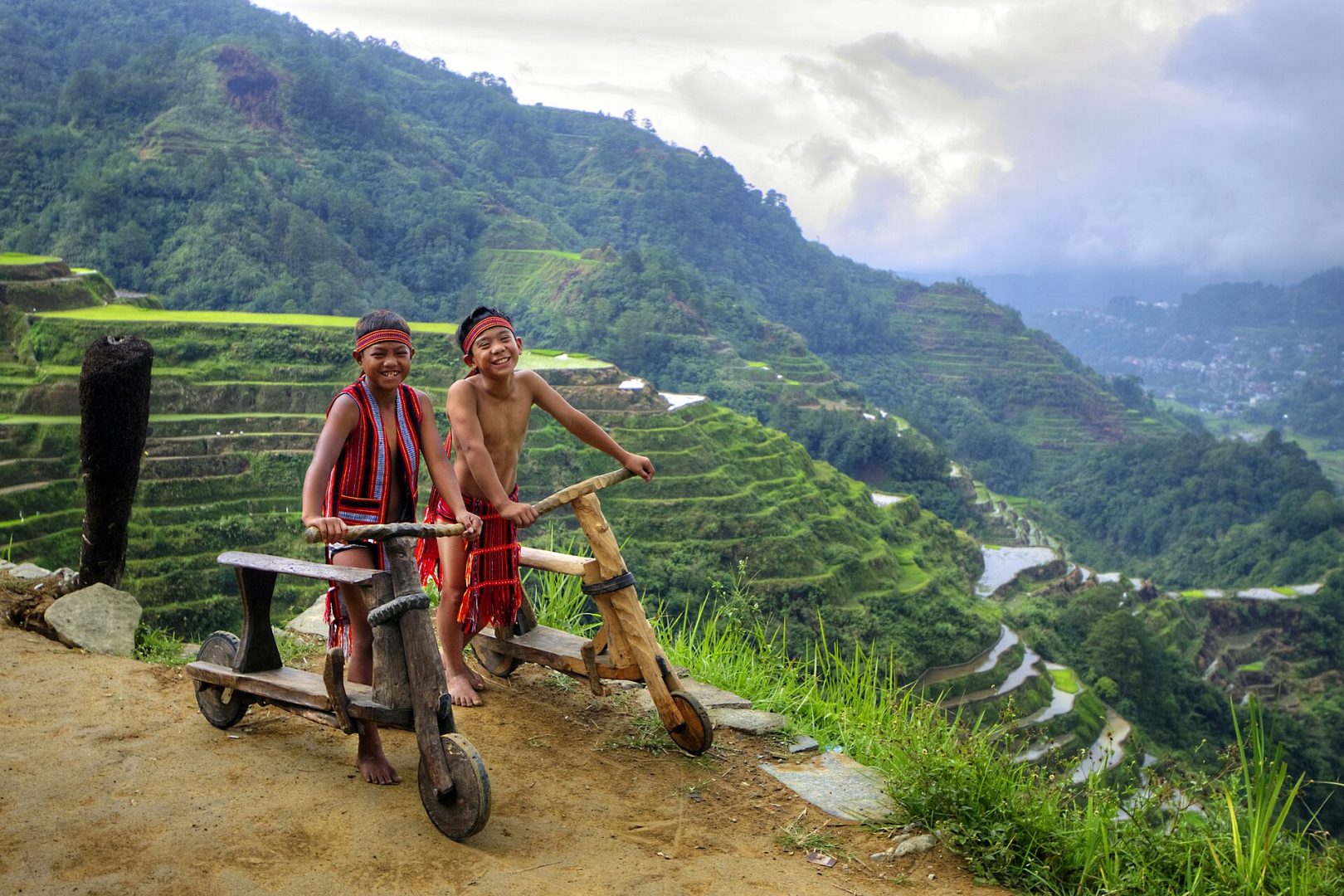
Filipinos lovingly refer to them as the Eighth Wonder of the World … and with good reason. The Banaue Rice Terraces in the Philippines are an awe-inspiring sight to behold! Painstakingly carved mostly by hand by the Ifugao of the Cordillera Mountains, they are an agricultural marvel that continues to nourish Filipinos to this day.
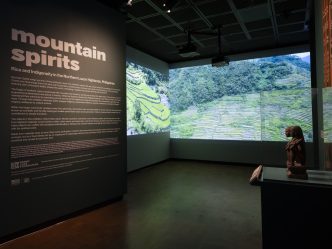
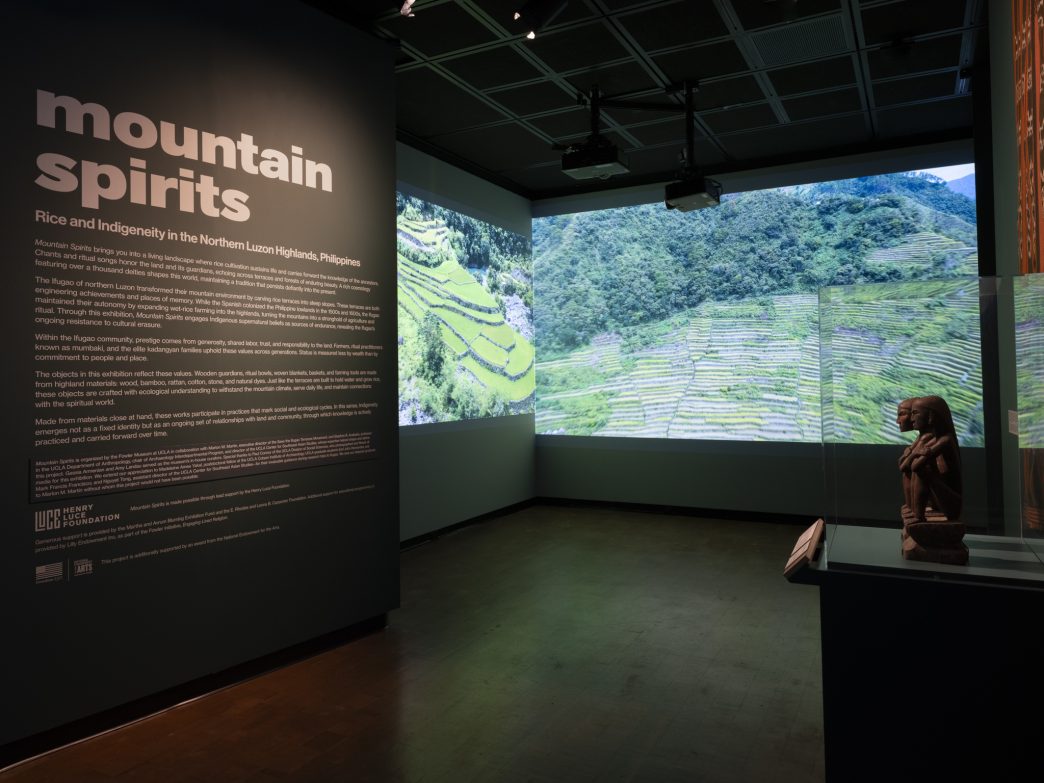
The Fowler Museum at UCLA showcases this magnificent place in an installation called “Mountain Spirits: Rice and Indigeneity in the Northern Luzon Highland, Philippines.” The immersive exhibition opened April 12 and runs through January, inviting visitors into a living cultural landscape where rice cultivation sustains life, memory and spiritual practices. The show explores how — for hundreds of years — the Ifugao have shaped their mountainous surroundings through agriculture, ritual and ancestral knowledge.
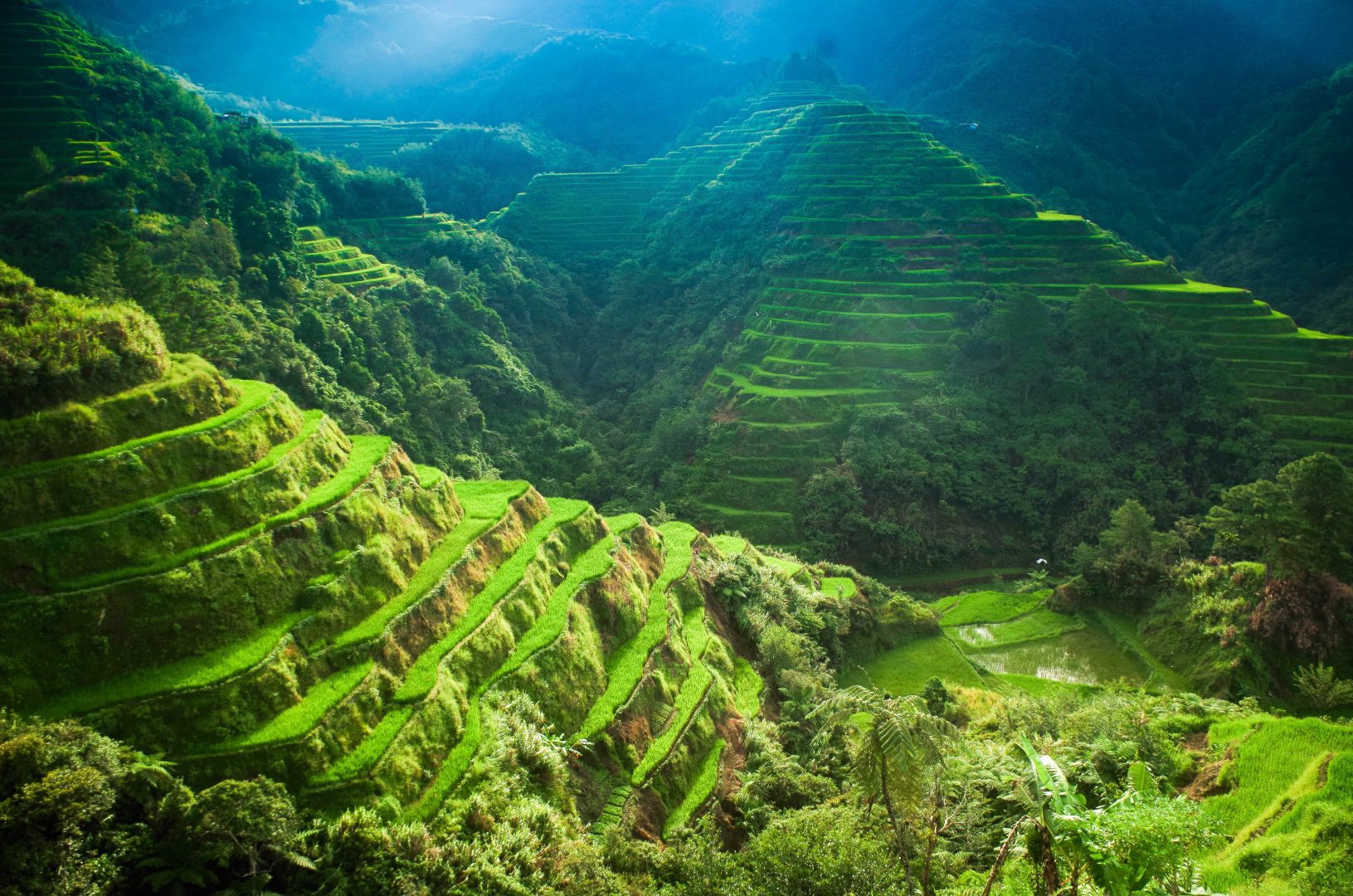
“Mountain Spirits” focuses on a shift in history that recently came to light. Radiocarbon-dating surveys led by Stephen Acabado working with collaborating researchers through the Ifugao Archeological Project shattered the long-held belief that the rice terraces date back 2,000 years. Their findings have determined that these engineering and technological achievements were first constructed in the 16th century to defend and protect Ifugao indigeneity from invasions, particularly from Spanish colonization of the Philippine lowlands.
By moving into the highlands and expanding wet-rice agriculture, the Ifugao transformed steep mountainsides into irrigated fields supported by complex forest and water-management systems, ensuring both food security and political autonomy. Five terrace clusters in Ifugao Province have been designated UNESCO World Heritage Sites.
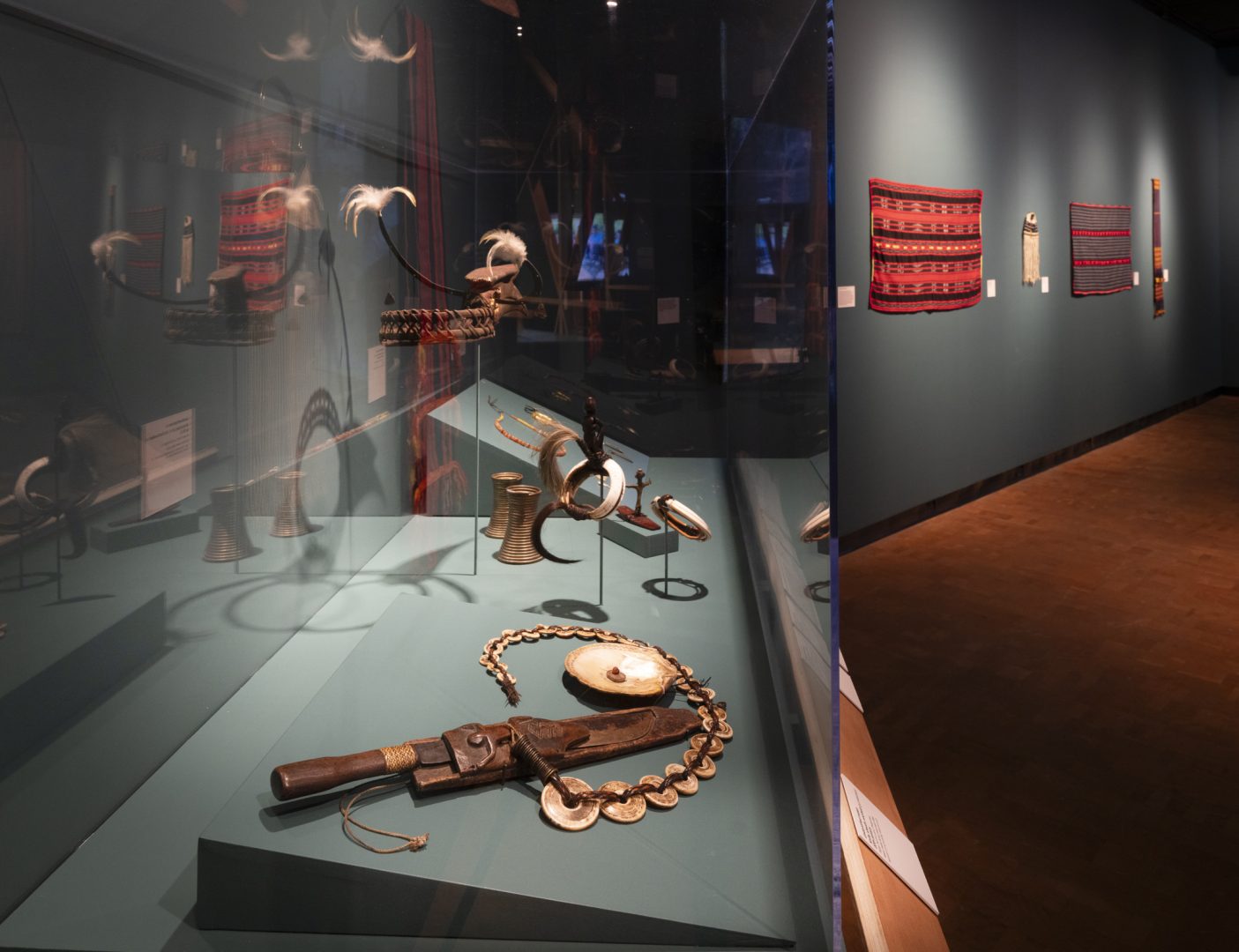
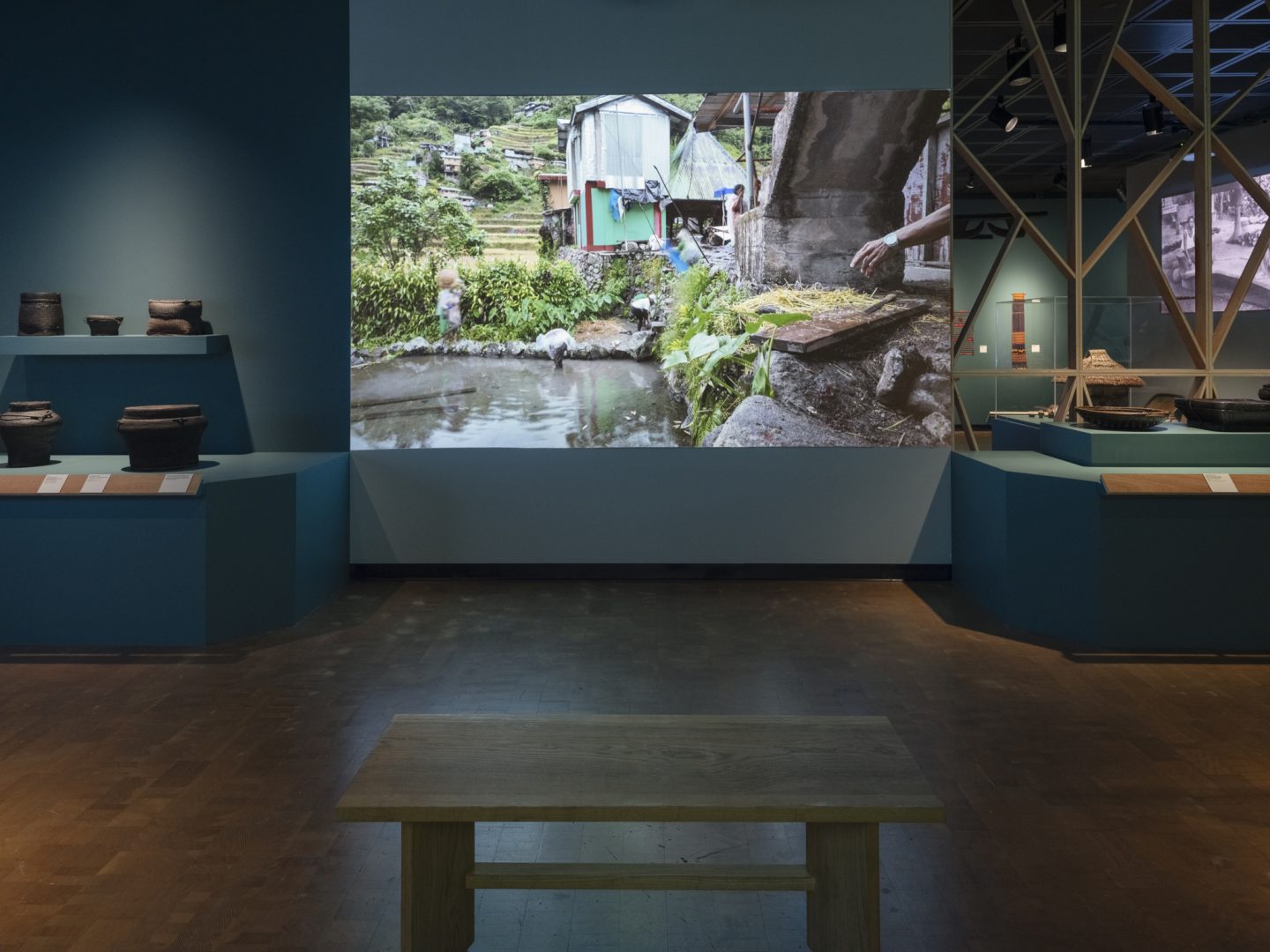
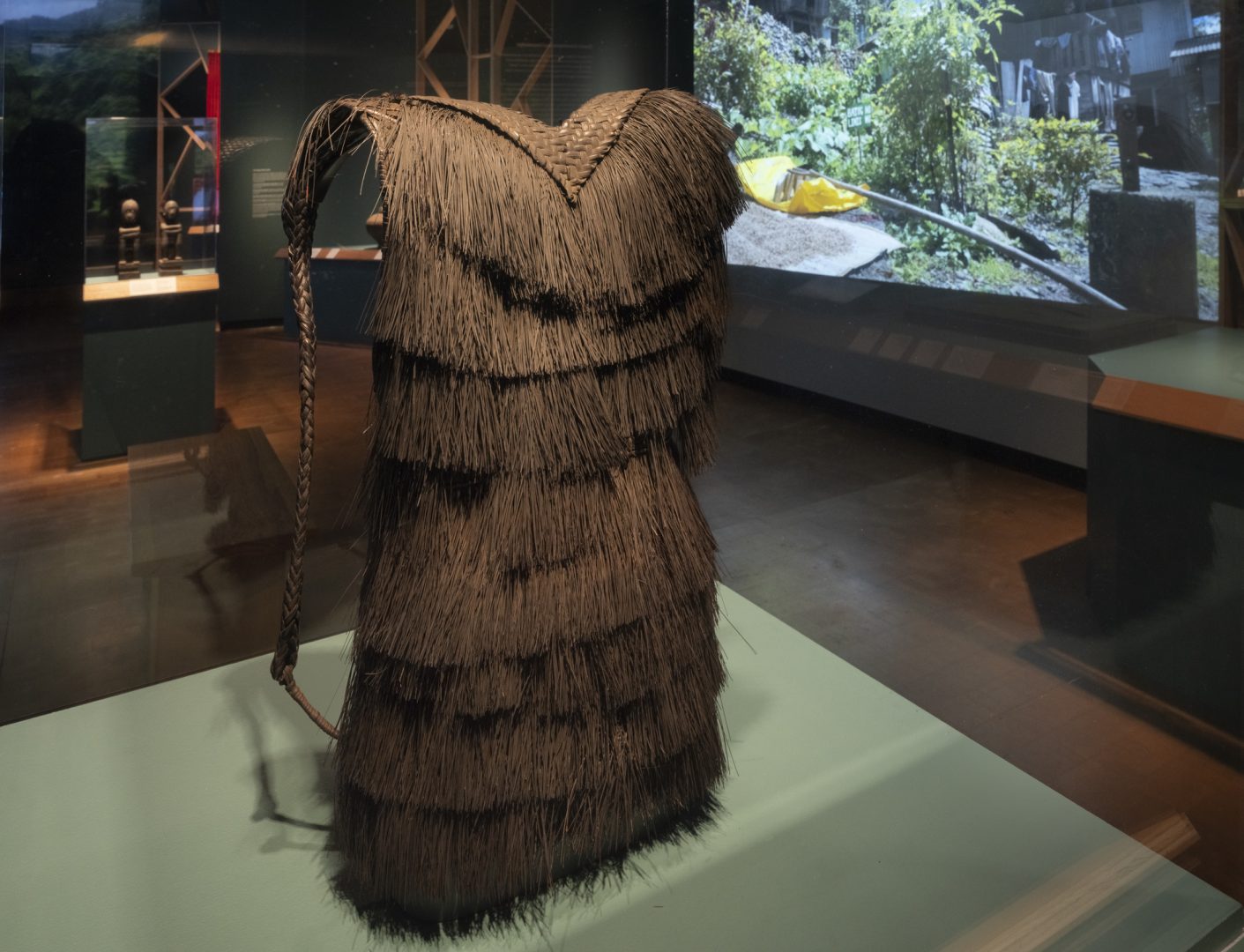
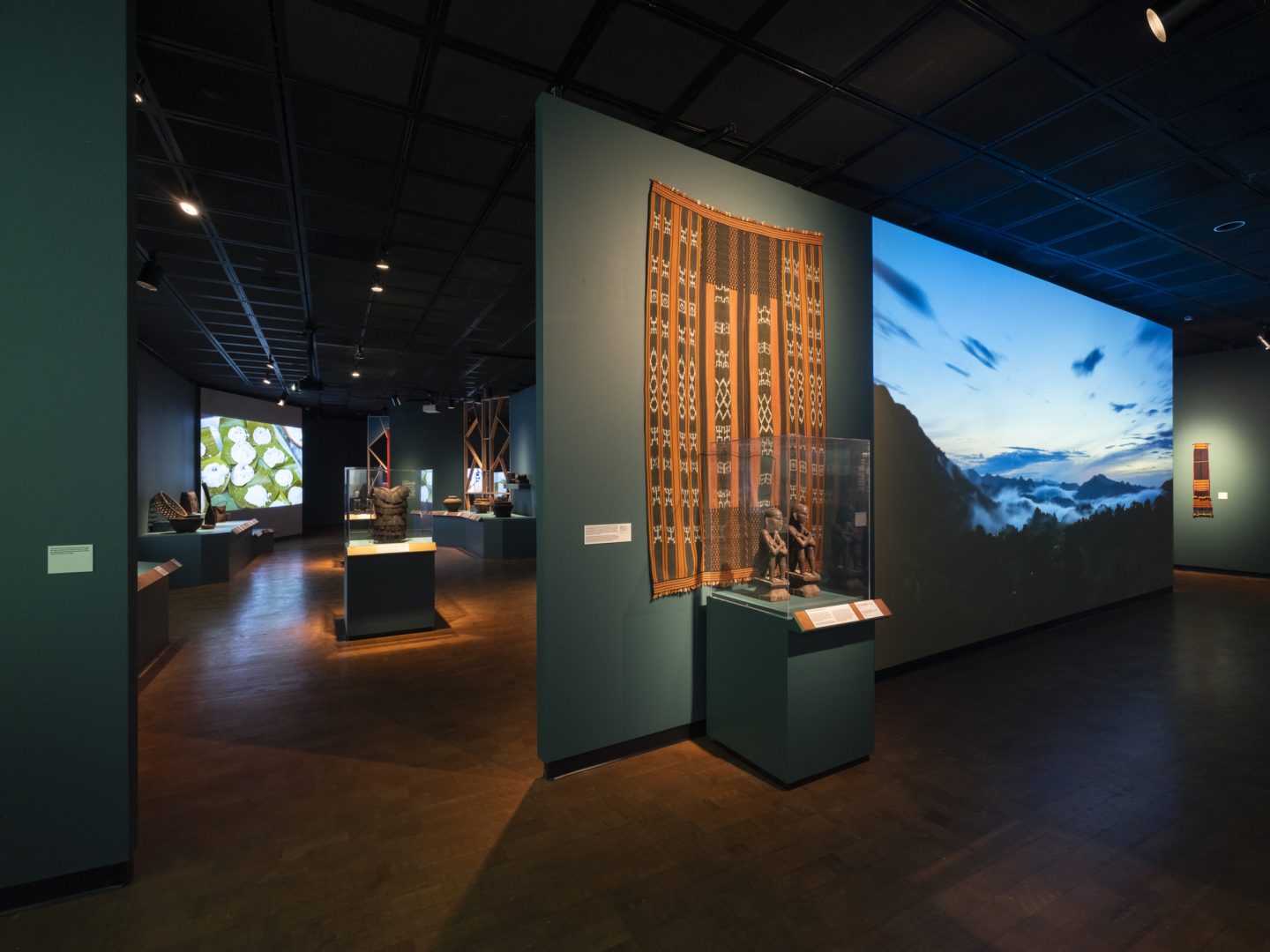
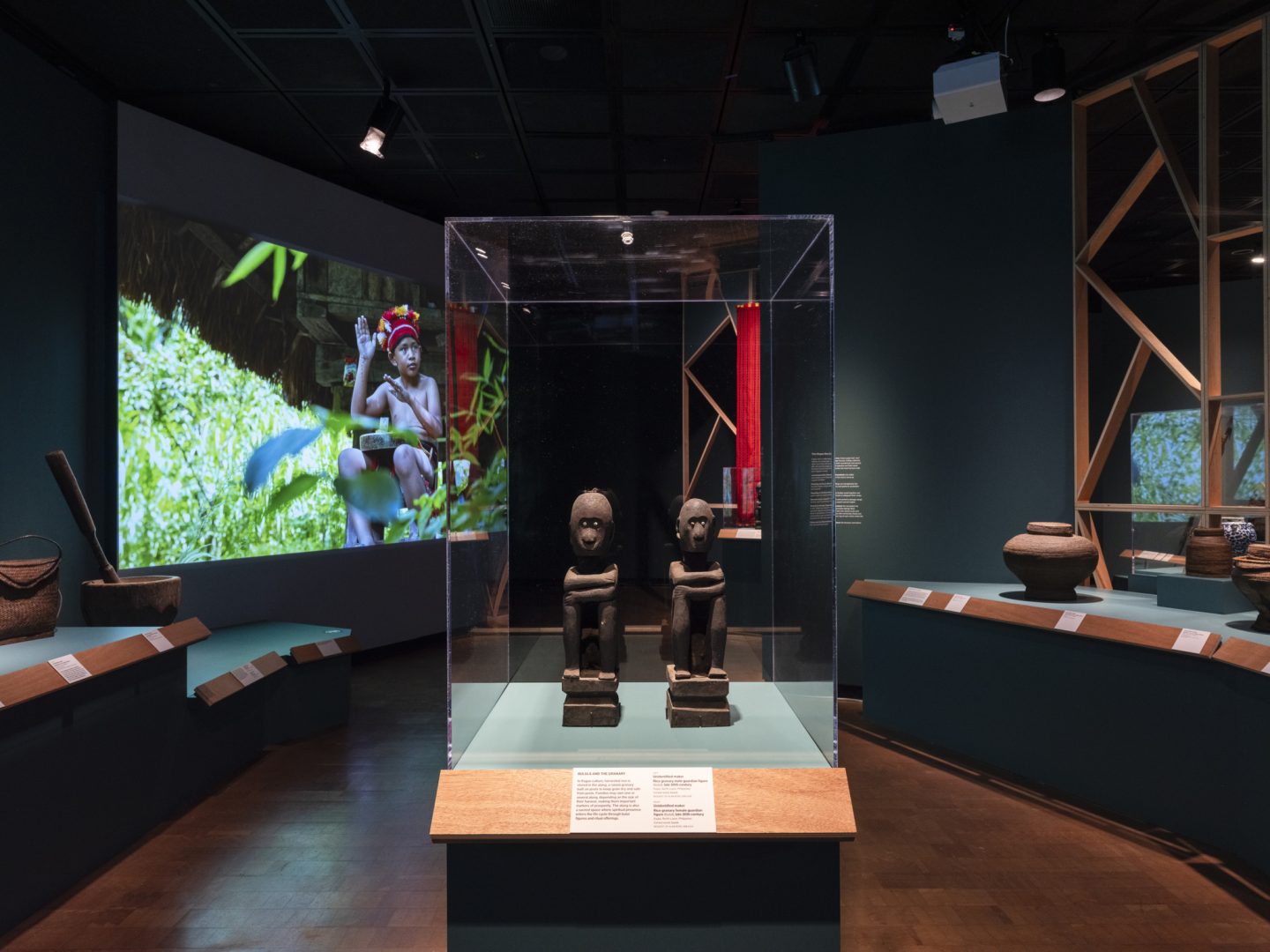
Through carved wooden figures, ritual objects, baskets, textiles, tools and videos, Mountain Spirits shows rice not only as food, but as a sacred substance essential to Ifugao cosmology, social life, history and identity. Drawing on the Fowler Museum’s holdings, the exhibition foregrounds Indigenous knowledge systems based on reciprocity and long-term environmental stewardship.
By email co-curators Gassia Armenian and Amy Landau discuss how the museum’s donation history has resulted in its extensive holdings of Philippine artifacts, past exhibitions related to them, the items on display in this show and which are the most significant, the public reaction and the visitor takeaway.
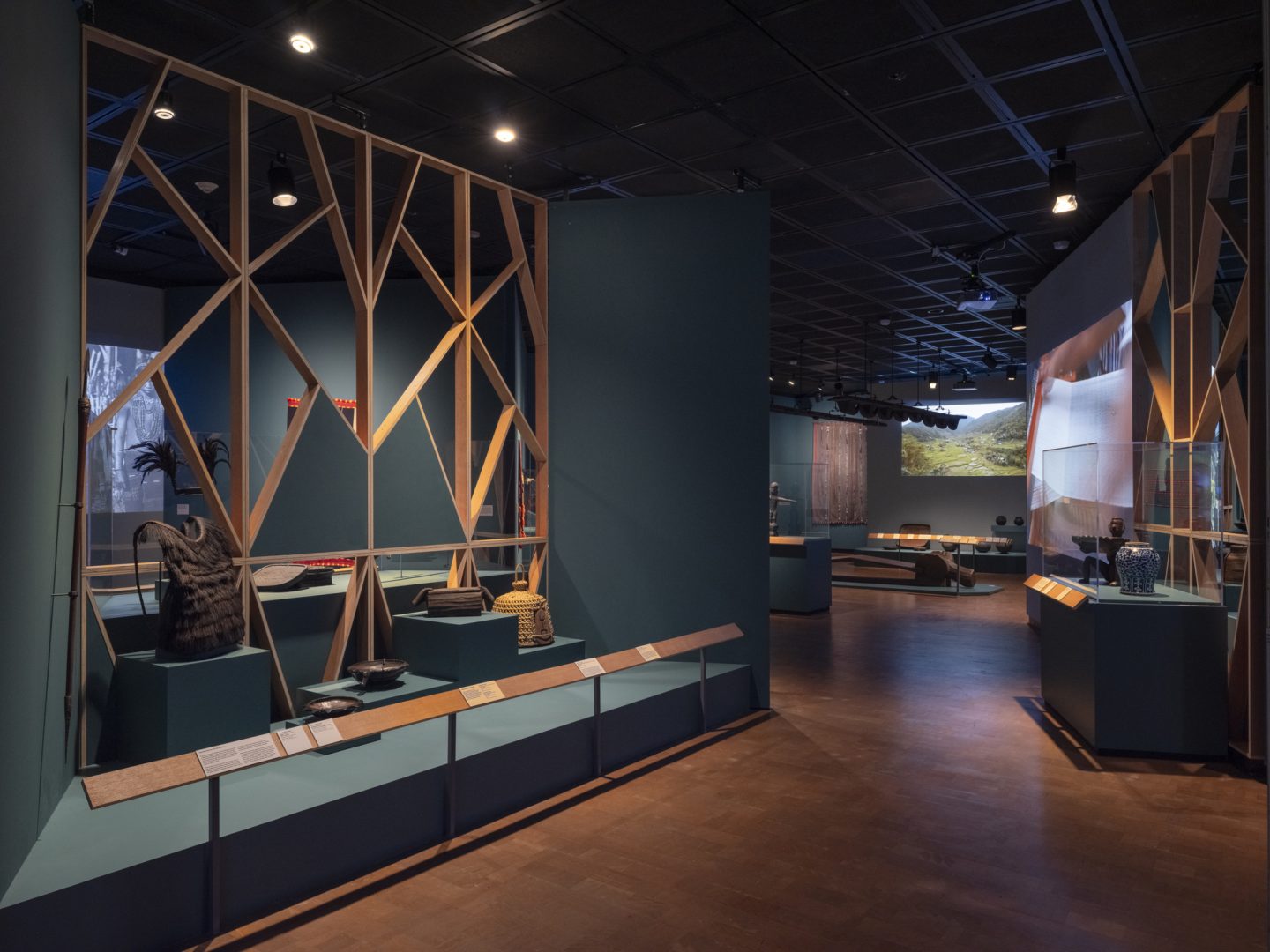
“The Fowler Museum at UCLA was established in 1963 as the Museum and Laboratories of Ethnic Arts and Technology by Chancellor Franklin D. Murphy,” Armenian begins. “Its early development was transformed by a landmark gift in 1965-1967, when the Wellcome Trust dispersed a portion of Sir Henry Wellcome’s vast ethnographic collection — over 30,000 objects in total — to UCLA. The Philippine objects included in that transfer constitute the earliest stratum of the Fowler’s Luzon holdings and provide the historical foundation for Mountain Spirits.
“Subsequent decades brought further significant additions through private donations,” adds Armenian. “Among the most consequential donors were Helen and Dr. Robert Kuhn, prominent LA collectors whose gifts account for nearly one third of the objects in this exhibition. Further gifts came from Alan Rose, Mr. and Mrs. Thomas Davis, the Richard and Beth Rogers Foundation, Terry Beyer, Jovita Luglug, Jerome L. Joss, Mrs. David Melnikoff, and Mrs. Dorothy M. Cordry; each bringing their own collecting history to the Fowler’s holdings. Additional works were contributed by donors who requested anonymity, a wish the Fowler continues to honor.”
“Together, these gifts — named and anonymous — form the core of what Mountain Spirits presents to the public today, and reflect decades of sustained institutional commitment to Philippine material culture,” Armenian discloses. “The objects in Mountain Spirits are drawn from the Fowler Museum’s holdings built through donations spanning the mid-1960s to the late 1990s, a period that corresponds to a broader surge of collector and institutional interest in Southeast Asian and Indigenous Philippine art across the United States and Europe.”
The Fowler Museum has approximately 2,500 objects and textiles from the Philippines. Of this number, 800 objects and textiles are from the Ifugao of the North Luzon Peninsula — a solid representation of their arts, customs, traditions and lifestyle.
Over its six-decade history of exhibitions and scholarly publications, the Fowler Museum has organized several exhibits displaying Philippine artistry. In 1998, the exhibition “Philippine Basketry of the Luzon Cordillera” displayed a selection of 20th century wickerwork. This was followed by the exhibition “Weavers’ Stories from Island Southeast Asia” Aug. 1-Dec. 5, 2010. For this innovative exhibition, Senior Curator of Asian and Pacific Collections Roy W. Hamilton used videos recorded across eight sites in Indonesia, Malaysia, the Philippines and Timor-Leste, letting weavers and batik makers tell their stories in their own words.
The Philippines was also represented in “Art of the Austronesians: The Legacy of Indo-Pacific Voyaging,” which referenced Philippine material as part of the broader Austronesian migration story, and in “The Art of Rice: Spirit and Sustenance in Asia” at the Fowler Museum Oct. 5, 2003-April 25, 2004 curated by Roy W. Hamilton.
“Our current Mountain Spirits show includes textiles and basketry as part of its Ifugao-focused holdings,” Armenian emphasizes. “This landmark exhibition shifts the museum visitor’s role from passive viewer to active participant in a multi-sensory experience alongside the objects on display.”
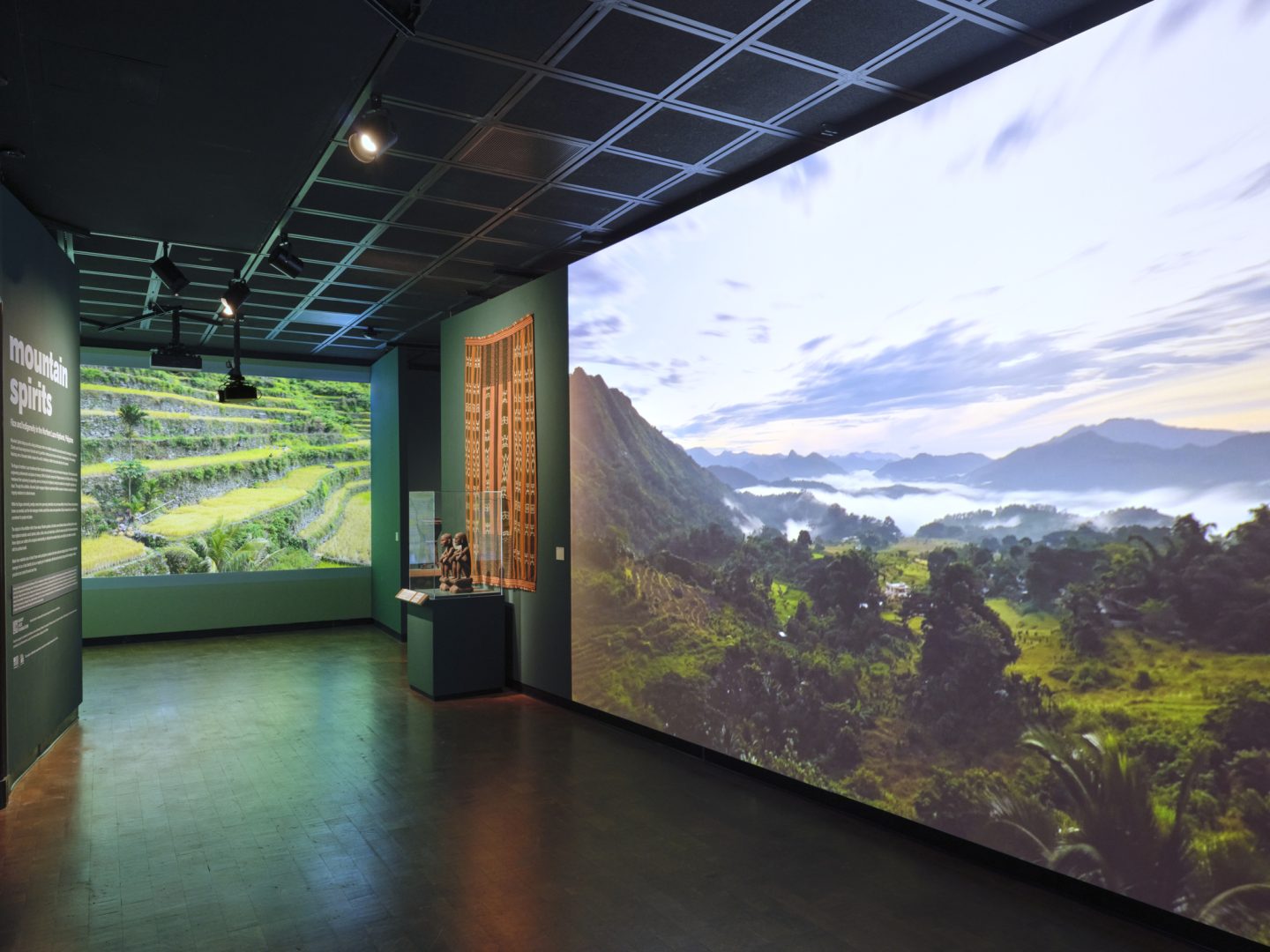
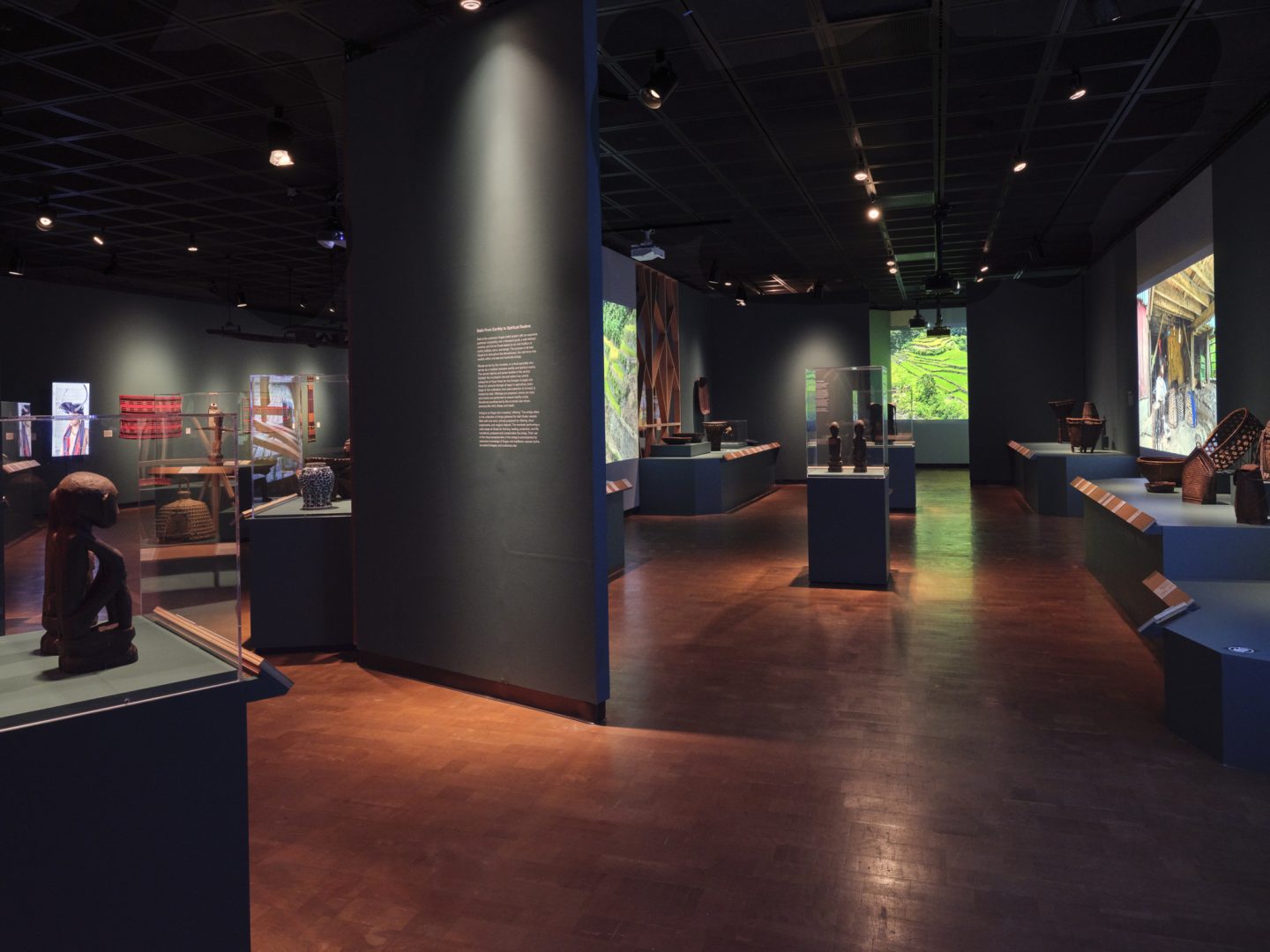
“Mountain Spirits” unfolds across three thematic galleries. The first centers on “tawid,” or inheritance, highlighting how land, labor and knowledge are passed down through farming tools and everyday objects adapted to a demanding mountain setting.
The second explores “baki,” the Ifugao belief system, presenting ritual practices led by “mumbaki,” or priests, who mediate between earthly and spiritual realms. Carved bulul rice guardians, ritual boxes, rice wine bowls, textiles and offerings echo different stages of the rice cycle, which are accompanied by prayer, chant and ceremony.
The final gallery examines social rank and prestige, focusing on the kadangyan elite, whose generosity and sponsorship of major rituals, most notably the Hagabi, sustain community bonds and cultural continuity.
Landau relates the origins of this exhibition:
“Mountain Spirits was spearheaded by Professor Stephen Acabado and Marlon Martin, whose longstanding collaboration with the Ifugao community provided its intellectual and community foundation. I joined the project as co-curator and Director of Interpretation, helping shape the narrative and visitor experience. From the outset, we wanted the exhibition to be immersive, which led us to collaborate with Paul Connor to connect the collections with the people, places, and traditions from which they come.”
Armenian recounts more details. “When Stephen and Marlon approached the Fowler Museum about a potential exhibition of Ifugao material culture to create generational continuity, they wanted to see ‘everything,’” she says. “This was, of course, a daunting task for the Collections Management team, led by Rachel Raynor and Isabella Kelly-Ramirez. They suggested that Martin spend time in the storerooms with Kelly-Ramirez to make a selection that would be representative of the over 800 items and be manageable enough to pull out and display in the conference room for further selection for the exhibition. Martin selected 450 objects and textiles.”
The various departments of the museum held a weeklong meeting in the conference room with Martin and Acabado to go through the objects and discuss conservation issues and interpretation narratives. Martin wanted to include all 450 objects and textiles because they represented his ancestral traditions, customs and handiwork.
At his juncture museum director Silvia Forni brought in Armenian as research curator to trim down the list from 450 objects to no more than 120, without altering the narrative of the exhibition.
“We selected objects that together tell the story of Ifugao life, highlighting the connections among agriculture, architecture, ritual and community,” Landau says. “The exhibition features 110 objects from the Fowler Museum’s Ifugao collection, complemented by immersive video, sound, archival photographs and interpretive displays that place these cultural belongings within the broader story of Ifugao life.”
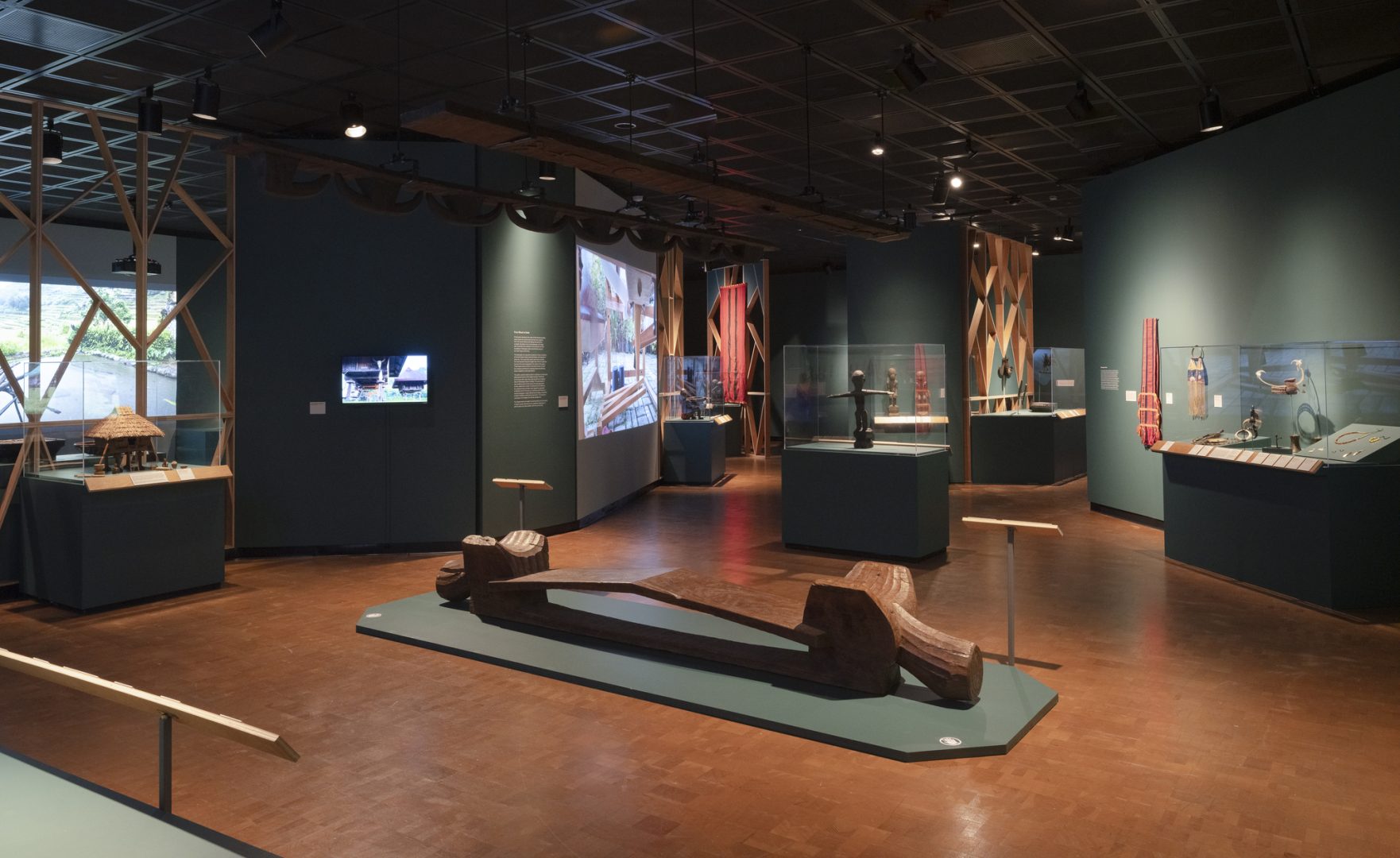
Landau says the three elements that capture the exhibition’s spirit are the model of the traditional Ifugao bale, Paul Connor’s immersive film and the hagabi ceremonial bench. Together they represent architecture, continuity and the values of generosity, leadership and community that are central to Ifugao life.
“The second component — immersive, in situ film footage skillfully captured by Paul Connor — is important in telling this story,” observes Armenian. “This footage opens a multitude of new ways to view and appreciate the objects and textiles, creating a kind of ‘conversation’ between the objects and their natural habitat. It was remarkable to see the objects in action — during the planting and harvesting of rice, in the storage that followed, in sacrifices made to the ancestors, in rites and rituals, and, finally, in the sharing of the bounty with the community.”
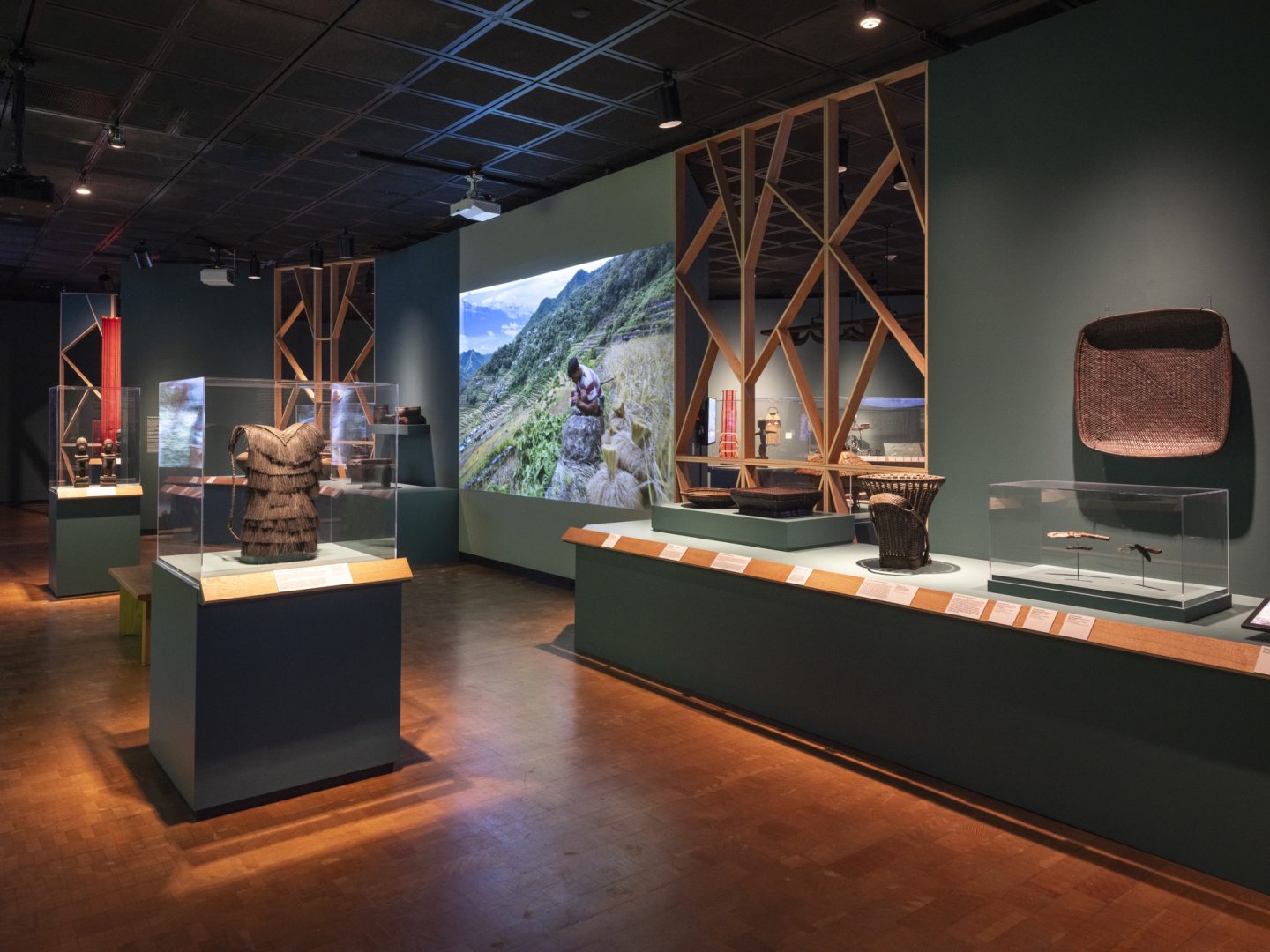
Of all the displays that embody the spirit of the Ifugao people and the exhibition, Armenian says she loves “all the displays in the exhibition, particularly since I was involved in their installation. However, the section I love most is the one on rituals, where we have the opportunity to see the ritual objects that the mumbaki — the priest — uses to bless the rice fields and the harvest, as well as the objects he uses to bless the community.
“I love this section because it shows us that, for the Ifugao, the bounty of the rice harvest is not meant for the wealth and prosperity of the individual who owns the field — it is meant to be shared by the community,” expounds Armenian. “After all, each member of the community had a role in the fields: from tilling the soil, to planting the seeds, to protecting the ecosystem of the terraces, to harvesting the crops, to storing the rice, pounding the rice, cooking the meal, blessing the fields and blessing the community.”
Armenian hopes Mountain Spirits touches exhibition guests in a similar way: “I want the visitors to detach from their worries and daily routines and be transported to the Ifugao rice terraces and enjoy the power of the community and maybe return from their virtual trip with determination to empower their own communities and to start judging each other not by material and monetary wealth, but by the joy in their hearts.”
There has been considerable public interest in the exhibition since it opened in April. Landau says, “As Director of Education and Interpretation, I’ve been especially pleased by the strong interest in K-12 school tours. At the university level, we’ve welcomed not only UCLA classes but also courses from other colleges and universities across Southern California. I think that reflects one of the exhibition’s unique strengths: it is a university museum exhibition created through close collaboration among faculty, students, museum professionals, and the Ifugao community, making it a valuable resource for teaching and research.”
“One aspect that means a great deal to me is the collaboration behind this exhibition,” states Landau. “Paul Connor and I traveled to Ifugao twice in 2025, working closely with Professor Stephen Acabado, Marlon Martin, Madeleine Yakal, Earl John Hernandez, Mark Francis Francisco, Nguyet Tong and the students of UCLA’s Southeast Asian Archaeology Lab, as well as members of the Ifugao community. The memories of traveling through one of the most breathtaking landscapes I have ever seen and getting to know Marlon Martin’s community have left an indelible impression upon me. We were building this exhibition through partnership and mutual respect, and I hope visitors can feel that throughout ‘Mountain Spirits.’”
Landau adds, “I certainly hope this exhibition encourages future collaborations and exhibitions that highlight Indigenous cultures throughout Southeast Asia. There are many important stories still to be shared, and I hope ‘Mountain Spirits’ helps open the door to those possibilities.”
“I hope visitors leave with a deeper appreciation that the Ifugao are not simply part of the past but a vibrant community whose knowledge, traditions, and stewardship endure today,” Landau says further. “I also hope they recognize the importance of Indigenous knowledge in addressing contemporary environmental and cultural challenges.”
The Banaue Rice Terraces are a testament to the Ifugao’s ingenuity in the face of necessity. Because of this collaborative exhibition, we are able to see them through a different lens and grasp their significance. More than a tourist attraction or a symbol of peaceful resistance to colonialism, the rice terraces are a living legacy that should be cultivated and safeguarded so future generations may continue to benefit from them.