



Los Angeles County Supervisor Kathryn Barger and the Every Fire Survivors Network have asked state lawmakers for more transparency and focus on survivors’ needs as they negotiate financial regulations for utility and insurance companies that will determine a framework for wildfire recovery.
Barger, whose 5th District includes Altadena and communities devastated in the deadly January 2025 Eaton Fire, has written to Gov. Gavin Newsom asking that legislation “prioritize wildfire survivors.”
According to EFSN Executive director Joy Chen, Newsom and State Assembly members are crafting “a secret utility bailout that could cripple every Eaton Fire survivor, every future survivor and entire communities for generations.”
Recent public discussion has focused on Newsom’s proposed $150,000 cap on utility company payouts for “survivors’ pain and suffering,” Chen wrote in a mass email Tuesday.
“Nothing is written. Nothing is public. When I asked the Governor’s office directly for the bill text, they said no to my face,” Chen wrote. “Yet Newsom is demanding that lawmakers rubber-stamp it before the legislative session ends” at midnight on Aug. 31.
Anthony Martinez, a spokesman for Newsom, said “California’s resiliency in the face of persistent wildfires depends on sustained investment in risk reduction, a healthy insurance market and fiscally sound utilities.”
In an email to HeySoCal.com, he said “California has met this moment before by creating the Wildfire Fund and passing SB 254,” adding that “the California Earthquake Authority’s Senate Bill 254 Study Report also describes the cost of inaction. And so, we must continue to work together to address the complex and interconnected challenges Californians face from the increasing risk of catastrophic wildfire. … Together with the legislature, our focus is protecting people, communities and California’s future.”
Barger said the state “needs a sustainable wildfire liability system, and I support efforts to get financial assistance to survivors faster. But faster payments cannot come at the expense of a survivor’s right to pursue full and fair compensation.
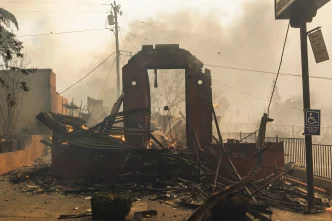
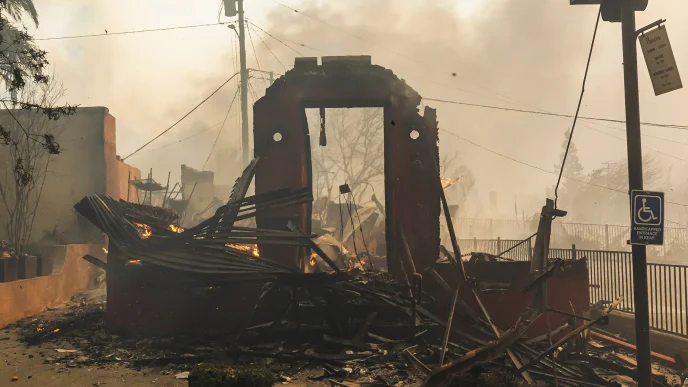
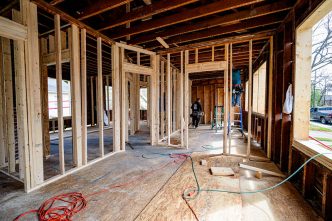
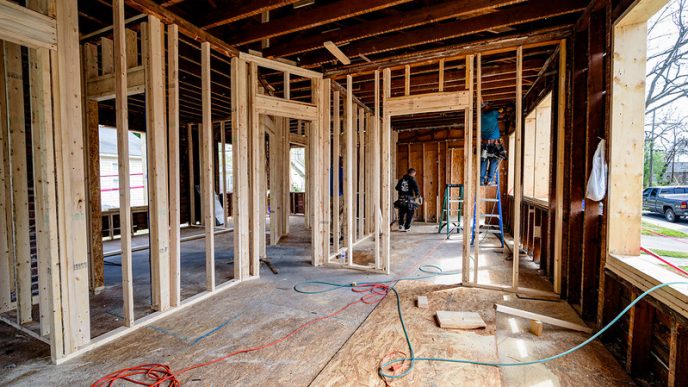
“The Eaton Fire continues showing us that wildfire devastation lingers. In Altadena, families lost homes, businesses and everything they had built,” Barger’s statement continued. “While many survivors are rebuilding and navigating the financial and emotional consequences of that loss, others have not even been able to begin rebuilding because they remain paralyzed by overwhelming financial pressures and constraints. A fast-pay program can be part of the solution, but it should be an option for survivors — not a substitute for their legal rights.
“Any reforms that limit recovery, weaken accountability or shift costs onto survivors, local governments or taxpayers deserve serious scrutiny,”
Barger also sent Newsom a letter Tuesday “requesting clarity on such a legislative proposal so that the facts are clearly laid out for survivors and the public. People who lost everything deserve to understand exactly what is being proposed and how it could affect their ability to recover.”
Before agreeing to any policy proposals, lawmakers should “put themselves in the shoes of a wildfire survivor,” Barger wrote. “Reforming California’s wildfire liability system is important, but don’t make survivors pay the price. As lawmakers negotiate, they must do what is right for the people who survived these wildfires.”
The LA County Fire Department last week determined Southern California Edison equipment ignited the Eaton Fire, which claimed 19 lives and nearly 9,500 homes and other buildings with UCLA loss estimates totaling $24 billion to $45 billion.
Also Tuesday, state Insurance Commissioner Ricardo Lara announced new transparency and accountability reforms now in effect are modernizing the insurance rate review process and strengthening consumer protections. The reforms increase public access to information, establish clearer standards for intervenor participation and ensure stronger oversight of costs that can ultimately be paid by policyholders.
An intervenor is a third party who joins a lawsuit or administrative action because they have an interest in the outcome.
“These reforms put the power of transparency directly into consumers’ hands, where it belongs,” Lara said in a statement. “Every dollar matters for Californians who are struggling to find and afford insurance. They have a right to know who is participating in rate proceedings, what costs are being requested, and how those costs impact the premiums they ultimately pay.”
Officials in Lara’s office pointed to the recent State Farm General Insurance Co. rate-hike request, in which the nonprofit Consumer Watchdog joined a three‑party settlement supporting a 17% rate increase for State Farm homeowners’ policyholders. If Consumer Watchdog seeks intervenor compensation under Proposition 103, the award could be paid by State Farm policyholders under existing law.
Future rate increase requests from insurance companies and any future requests for compensation by intervenors submitted under the new regulation will be reviewed under the Insurance Department’s “enhanced transparency, accountability and qualification standards now in effect,” officials said.
Chen noted that “home insurance companies won over $600 million in rate hikes from Commissioner Lara already this year, costs survivors are paying as we fight with these same insurance companies to pay what they owe,” she told HeySoCal.com. “The public needs a seat at the table to push back on these massive increases but, with this rule, Commissioner Lara is trying to silence any voice of objection. Survivors will look to the next commissioner to reverse these rules and restore the public’s right to challenge excessive rates.”
Officials said the Insurance Department has sent letters to all currently certified intervenors informing them that parties seeking compensation funded by policyholders may be required to answer additional questions and provide supplemental documents that show compliance with the new requirements, including disclosure of funding sources and possible conflicts of interest.
From 2013 to 2026, intervenors received more than $14.4 million for their participation in rate-increase requests, according to Lara’s office.
Updated Aug. 13, 2026, 3:32 p.m.