

The Los Angeles Regional Water Quality Control Board has unanimously approved a requirement that the Boeing Company prove stormwater runoff is no longer polluted and human health and the environment is protected after cleanup is complete at the Santa Susana Field Laboratory in southeastern Ventura County.
The requirement was part of a memorandum of understanding issued by the water quality control board that includes recommendations from the Los Angeles Water Board and Department of Toxic Substances Control. The two agencies are within the California Environmental Protection Agency. The protocols and timelines for Boeing’s cleanup are made up of two principal agreements, the memorandum of understanding and the DTSC settlement agreement.
“The MOU requires that, unless and until the soil cleanup is good enough to prevent pollution of stormwater by past industrial activities, Boeing will remain subject to the regional board’s regulatory oversight under its existing NPDES permit, which has provided stringent pollutant limits for stormwater discharges from the site since 1998,” James Stahl, acting chair of the Los Angeles Water Board, said in a statement. “Further, the MOU does not pre-determine any future decisions by the board, which will seek public input on upcoming permitting decisions.”
Boeing agreed not to challenge these additional requirements in the future.
Some of the key features of the agreement require Boeing not to litigate the cleanup standard selected by DTSC, include a “resident with a garden” standard for chemical contamination, and cleanup of radiological contamination to “background” levels that would exist locally without industrial activity.
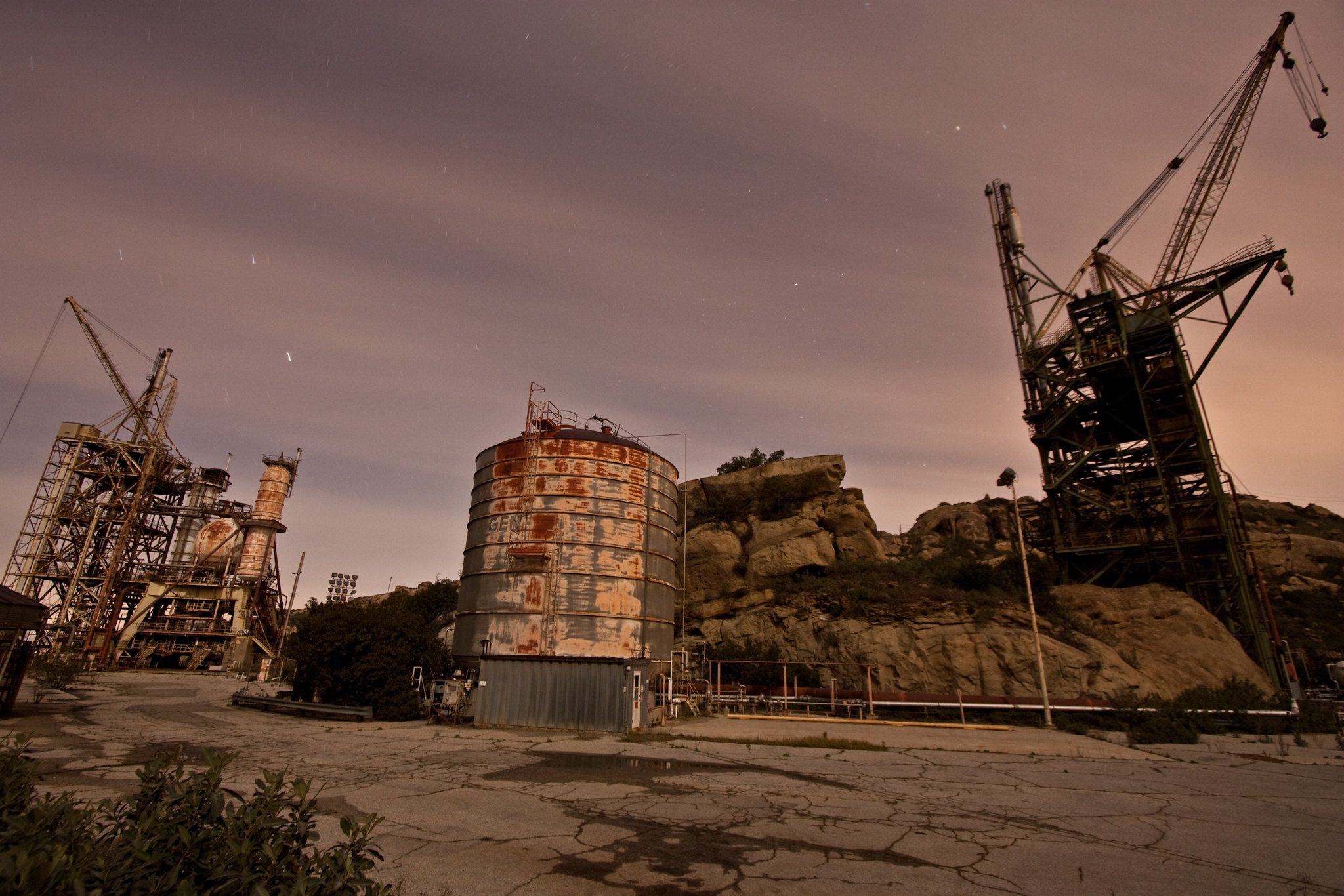
The former field laboratory in Santa Susana sits on a plateau and spans 2,850 acres, 30 miles from downtown Los Angeles. From 1947 to 2006, Boeing and its predecessors, including NASA and the Department of Energy, conducted research, development, assembly and testing of rocket engines, small- scale nuclear reactors and chemical lasers. All industrial activity at the site ended in 2006, but radionuclides and other contaminants remain.