


Health Department reports ‘epidemic levels’
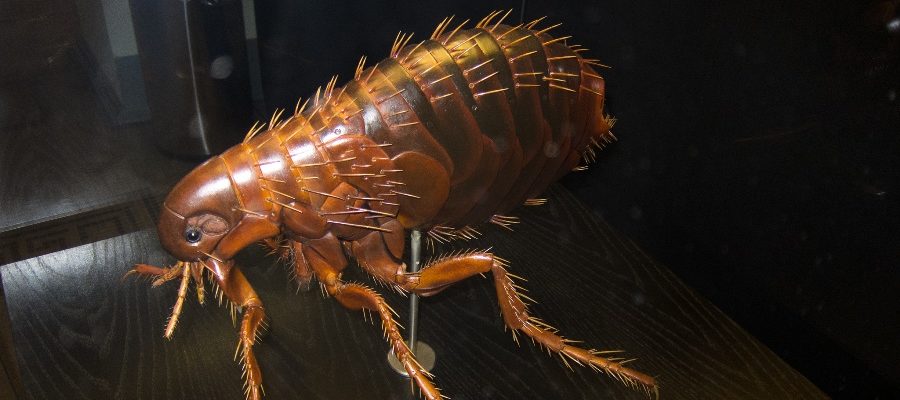
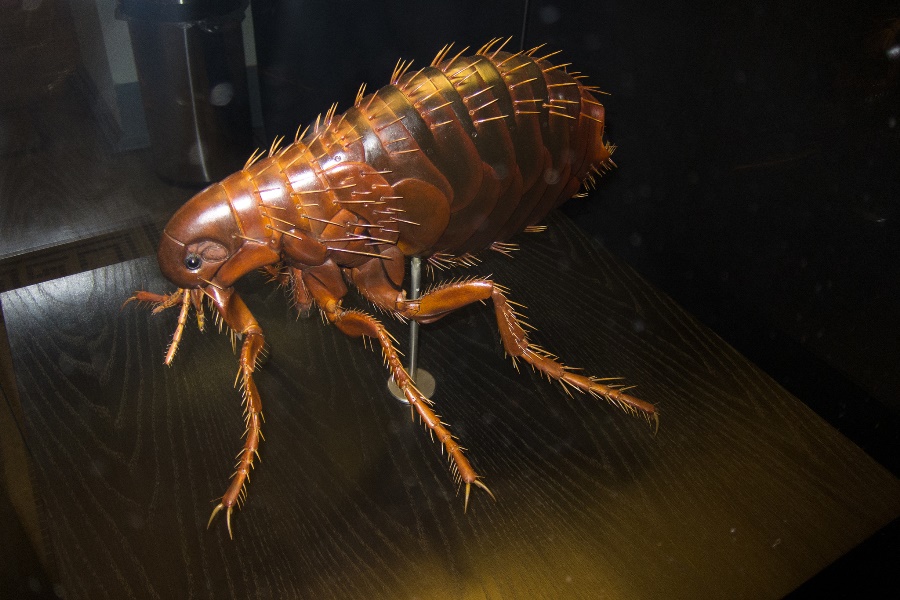
The Pasadena Public Health Department (PPHD) is reporting epidemic levels of typhus fever this year. Typhus fever is a disease spread to humans by infected fleas. In 2018, 20 Pasadena residents have been confirmed to have typhus fever well above the expected one to five cases per year.
Flea-borne typhus, also known as murine or endemic typhus, is a disease carried by fleas infected with bacteria (Rickettsia typhi or Rickettsia felis). Flea-borne typhus is found regularly in Los Angeles County, especially Pasadena, with most cases occurring in the summer and fall months.
“Typhus fever is a disease that can cause serious complications requiring lengthy hospitalization, and rarely, death,” Pasadena Health Officer Dr. Ying-Ying Goh said. “All residents should to take steps to prevent fleas in and around the home.”
Locally, the primary animals known to carry infected fleas include feral cats and opossums. People with significant exposure to these animals are at risk of acquiring flea-borne typhus. Pet dogs and cats that are allowed outside are more likely to come in contact with infected fleas and could spread the disease to humans. Although pets and animals do not get sick from typhus, the disease can cause high fever, chills, headache and rash in people. Typhus can be treated with antibiotics.
There are simple precautions to prevent the spread of typhus fever disease:
- Maintain the yard free of debris and trim overgrown vegetation to prevent harborage of wild animals like feral cats and opossums.
- Do not leave pet food outdoors.
- Do not provide food or water for wild animals.
- Keep garbage containers tightly covered.
- Seal all openings and crawl spaces under the home.
- Routinely treat pet dogs and cats with flea control medication.
Local healthcare providers are required to report any Pasadena residents with a suspected or confirmed typhus diagnosis within one working day to PPHD at (626) 744-608. Business hours for the PPHD are Monday to Friday 8 a.m. – 5 p.m., or (626) 744-6043 for after hours.
Diagnosis requires a high degree of clinical suspicion since flea-borne typhus typically presents as a non-specific febrile illness and early diagnostic tests are unreliable.
For more information on preventing typhus, visit the San Gabriel Valley Mosquito and Vector Control District at sgvmosquito.org/flea-borne-typhus.