

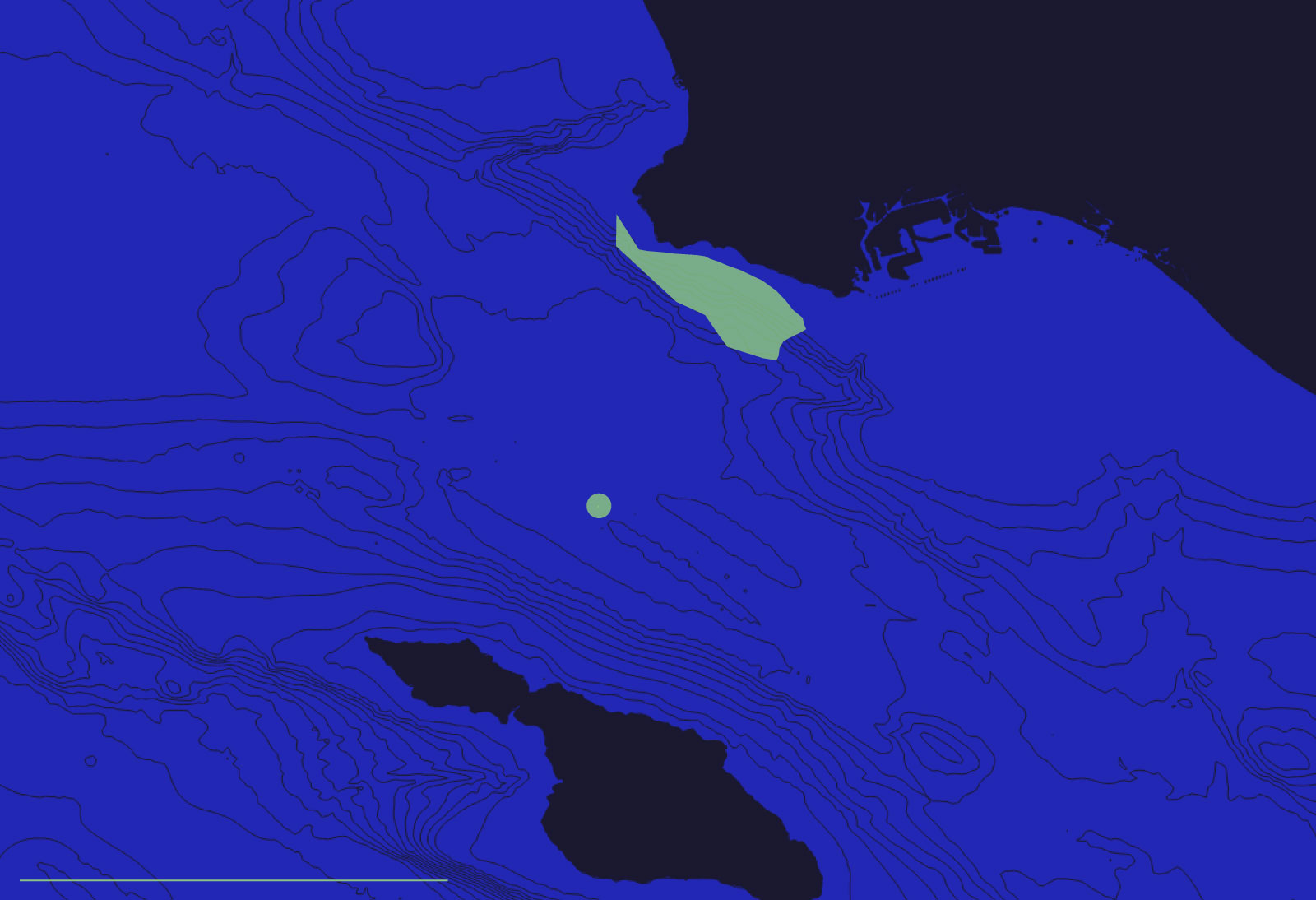
No one could see it — until now Not far from Santa Catalina Island, in an ocean shared by divers and fishermen, kelp forests and whales, David Valentine decoded unusual signals underwater that gave him chills. The UC Santa Barbara scientist was supposed to be studying methane seeps that day, but with a deep-sea robot on loan and a few hours to spare, now was the chance to confirm an environmental abuse that others in the past could not.
He was chasing a hunch, and sure enough, initial sonar scans pinged back a pattern of dots that popped up on the map like a trail of breadcrumbs. The robot made its way 3,000 feet down to the bottom, beaming bright lights and a camera as it slowly skimmed the seafloor. At this depth and darkness, the uncharted topography felt as eerie as driving through a vast desert at night. And that’s when the barrels came into view. Barrels filled with toxic chemicals banned decades ago.
Leaking. And littered across the ocean floor. “Holy crap. This is real,” Valentine said. “This stuff really is down there. “It has been sitting here this whole time, right off our shore.” Tales of […]
Add a comment