


The Pasadena City Council on Tuesday adopted the Fair Oaks Orange Grove Specific Plan, a long-awaited land-use framework that designates the North Fair Oaks corridor as the Black Legacy District and clears the way for denser, mixed-use development along a historically Black commercial strip.
The plan, which passed 6-0 with Mayor Victor Gordo recused because he said he owns a home near the area, drew approximately 20 public speakers who urged the council to honor the corridor’s past while rebuilding its economy. The development guidelines are for a 171-acre area in northwest Pasadena, with the Fair Oaks Avenue corridor stretching between Montana and Maple streets and the Orange Grove Avenue corridor between Lincoln and Maple avenues.
“We need to restore the pride and have economic vitality again, making Black Legacy District the official name designation will help to create a sense of place that I felt growing up,” Loretta Parks told the council during the pubic comment portion of the hearing. “This can drive culture, tourism and provide a platform or small local businesses to thrive again under the recognition of culture ban brand.”
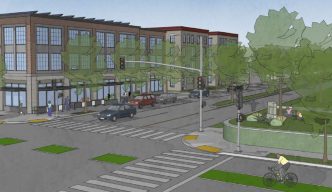
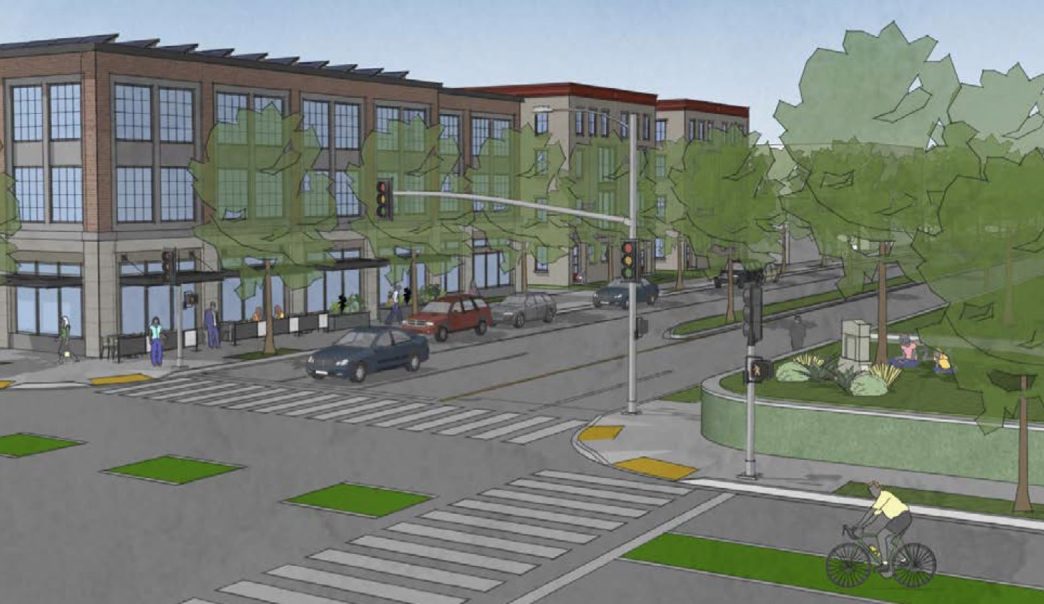
Residents described a once-vibrant Black business community hollowed out by redlining, “urban renewal” projects and construction of the 210 Freeway leading to displacement. Speakers pressed the council to pair the designation with visible investments including decorative crosswalks, banners, medians and public art.
The plan also increases residential density to 48 units per acre from 32 along Fair Oaks Avenue north of Washington Boulevard, according to a city staff report, a change supporters said is necessary to make affordable housing financially viable. Density increased to 32 units per acre the southeast corner of Fair Oaks Avenue and Washington Boulevard, up from 16, “to be more consistent with the existing development’s density of 26 units per acre, staff reported.
One business owner, a cabinet maker whose shop is in the plan area, voiced concern that his property is now zoned for 87 units per acre, creating pressure from developers.
“As a small business owner, it kind of feels like I have a target on my back because that’s such an incentive for developers,” he said. “And given that the city forced us to sell once before, that’s my concern that something like that might happen again.”
Councilman Rick Cole framed the decision as a test of whether the city will follow through.
“‘Plan’ in the dictionary is a noun, but it is also a verb,” Cole said, arguing that past plans have lingered on the shelf for years without implementation. He proposed amendments advancing “placemaking,” an urban planning term that refers to a collaborative process for revamping a public area, and the formation of a business improvement district to near-term status. Cole, formerly a member of the Pasadena Planning Commission, also proposed directing city staff to explore waiving fees for minor conditional use permits in the district.
Councilman Tyron Hampton, who represents the area, made the underlying motion that incorporated the Black Legacy District name designation and directed city staff to find funding for banners, crosswalks and decorative wrapping for utility boxes. The council referred the median question to the city’s Transportation Advisory Commission.
Councilman Steve Madison raised caution about attaching spending commitments to a plan whose staff report showed no fiscal impact, but Cole stressed that the motion does not commit the city to spending dollars that are not budgeted.
“I’d be leery of committing to something that has budgetary impacts that we didn’t notice on the agenda and don’t even know here tonight,” Madison said.
More information on the plan is available online at cityofpasadena.net/planning/planning-division/community-planning/specific-plans/fair-oaks-orange-grove.
The AI platform Civilio assisted this report.