

Pasadena health officials on Friday reported the city’s first human case this year of West Nile virus.
The infection was first reported Thursday, according to the Pasadena Public Health Department. No details on how the individual contracted the virus or the person’s condition were released.
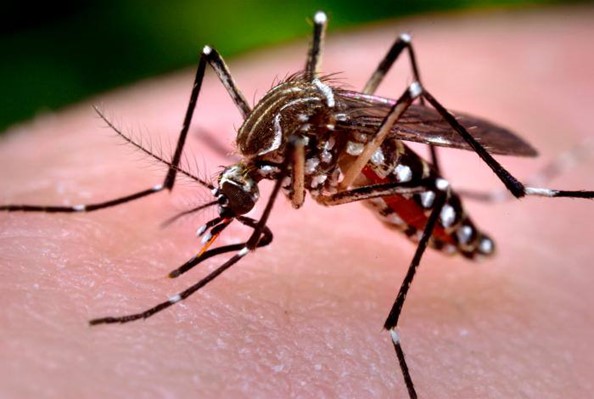
West Nile virus usually spreads through bites by infected mosquitoes, though many people who contract the virus do not experience its potential flu-like symptoms — fever, headache, body aches, vomiting, diarrhea or a rash, according to the U.S. Centers for Disease Control and Prevention. Severe illness can affect the central nervous symptom and result in hospitalization or death.
Mosquito season typically runs from June through October and the number of human cases often peaks in late August to early September, the CDC reported.
The virus is mostly detected during warmer months when mosquitoes breed and can quickly spread viruses, according to Pasadena Public Health. Officials said the agency continues to monitor the disease and work with the San Gabriel Valley Mosquito & Vector Control District to limit mosquitoes in public places through regular inspections and pesticide treatments.
The last confirmed case of West Nile virus in a Pasadena resident was in 2022, the department reported.
“There is no vaccine or cure for West Nile virus in humans,” Dr. Parveen Kaur, acting-Pasadena health officer, said in a statement. “By taking preventive measures, we can reduce the risk of infection and help protect our community.”
Preventative measures include removing stagnant water around homes and businesses, disposing of containers that enable water to accumulate, ensuring no holes in window and door screens, wearing long pants and sleeves and using insect repellent with Picaridin, DEET, oil of lemon eucalyptus, also known as PMD, or IR3535, city health officials said.
“PPHD urges residents to take an active role in reducing the threat of West Nile virus by following mosquito prevention tips,” Public Health Director Manuel Carmona said in a statement. “The most effective way to stay protected is to prevent mosquito bites.”
Each year West Nile virus is the No. 1 cause of mosquito-borne disease in the contiguous United States, and all states except Alaska and Hawaii have reported cases, the CDC reported. Over 1,300 people become severely ill, often with impacts to the central nervous system, and more than 130 people die.