


Pasadena moved further toward the city’s goal of 100% carbon-free electricity by the end of 2030, as a newly improved wind energy facility started delivering clean power to the city this summer, officials said Wednesday.
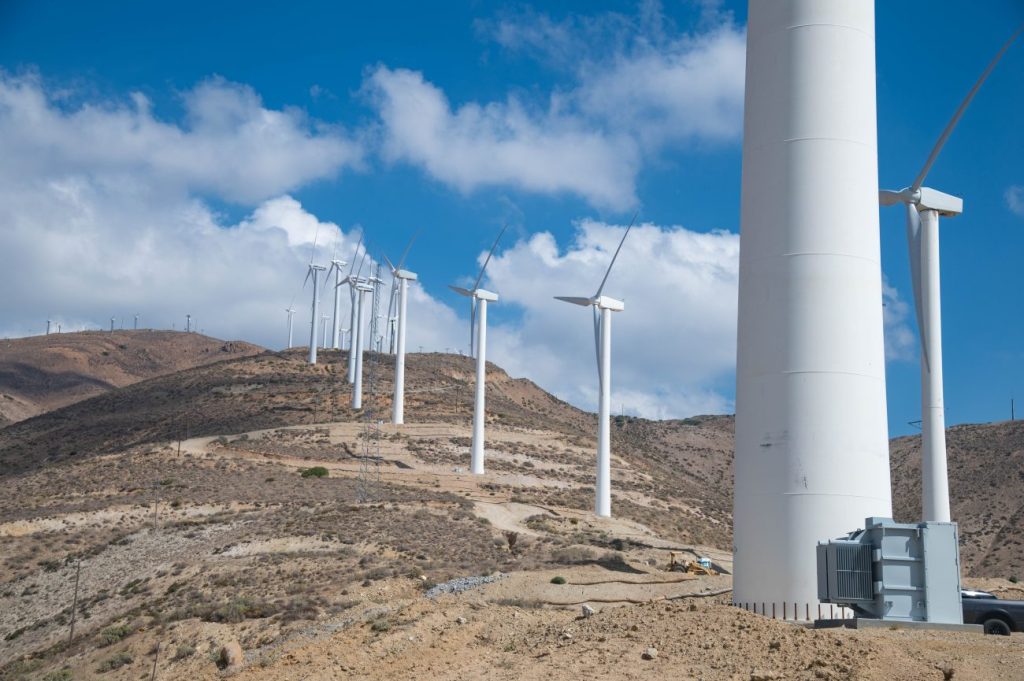
The project at the Wind Resource II facility in Tehachapi was developed through a long-term agreement with CalWind Resources Inc. It expands Pasadena Water and Power’s renewable energy portfolio with an expected delivery of about 60,000 megawatt hours of carbon-free energy each year.
The agreement with CalWind, which the City Council approved in 2024, supports the company’s modernized 20-megawatt wind turbine facility.
City officials said wind power contributes important diversity to PWP’s renewable energy portfolio that includes solar and other clean sources of electricity. Because wind often generates most robustly in the evening and overnight hours, this deal with CalWind “helps balance solar production, smooth daily fluctuations, and enhance grid reliability,” according to a city statement.
While CalWind has provided short-term energy to Pasadena since last year, the newly signed 10-year agreement aims toward broader goals, officials said.
“This milestone demonstrates Pasadena’s leadership in pursuing innovative renewable projects that help ensure environmental responsibility and grid reliability,” PWP General Manager David Reyes said in a statement. “We are grateful to our City Council for their vision and to our community for its support in guiding Pasadena toward a 100% carbon-free future.”
Officials noted California’s race to decarbonize the power grid as utilities deal with transmission constraints, market volatility and resource scarcity.
“The new CalWind agreement helps position Pasadena to meet these challenges by expanding renewable supply diversity and providing a firm contribution to long-term carbon-free goals,” according to the city statement.
Lithium-ion battery guidelines
Also Wednesday, city officials cautioned the public about the dangers associated with lithium-ion batteries timed with the arrival of Fire Prevention Week.
The city has teamed up with the National Fire Protection Association to get the word out on how to properly use, care for and dispose of increasingly prevalent and potential very toxic lithium-ion batteries used in a wide range of electronics, vehicles and household devices.
If not used correctly or if damaged, the batteries can overheat, leading to fires and explosions.
“Lithium-ion batteries are integrated into daily life, powering everything from phones to tools, making safe use and proper handling essential.” Fire Marshall Tim Sell said in a statement. “To prevent fires in the home and on the go, practice this year’s fire prevention week’s theme and buy, charge and recycle safely.”
Officials provided these battery guidelines:
Buy only listed products
- When buying a product that uses a lithium-ion battery, take time to research it. To verify adherence to safety standards, officials advised looking for a stamp from a nationally recognized testing laboratory on the packaging and product.
- Many products may not meet safety standards and could increase the risk of fire.
Charge devices safely
- Always use the cables that came with the product to charge it and follow manufacturer instructions.
- New chargers should be purchased from the manufacturer or manufacturer-approved.
- Charge devices on hard surfaces — don’t charge under a pillow or on a bed or couch because that could cause a fire.
- Don’t overcharge devices — unplug from the electrical socket or remove the battery after has a full charge.
Recycle batteries responsibly
- “Don’t throw lithium-ion batteries in the trash or regular recycling bins because they could catch fire,” according to the city.
- “Recycling your device or battery at a safe battery recycling location is the best way to dispose of them. Visit call2recycle.org to find a recycling spot near you.”
More about Fire Prevention Week in Pasadena is available from the Pasadena Fire Department Prevention Division, 626-744-4668. Additional information about FPW and lithium-ion battery safety is at fpw.org.