

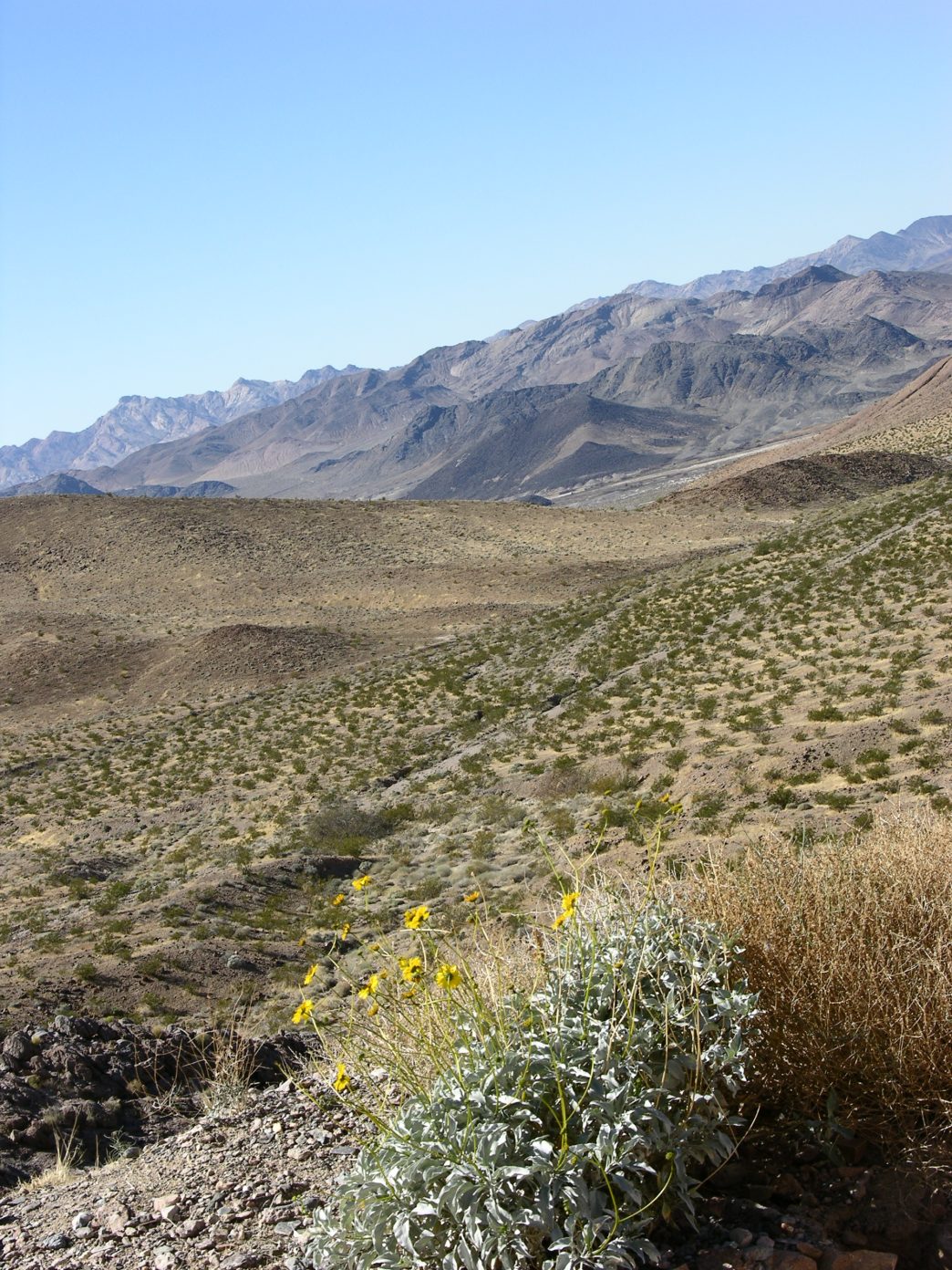
A Department of Interior secretarial order announced Thursday places “onerous restrictions” on using federal funds for land and water conservation, according to a Joshua Tree-based advocacy organization.
Critics of Interior Secretary Doug Burgum’s Order 3442 warn that it greatly increases the likelihood that public lands in national parks or adjacent to public forests and other recreation areas will shift to private ownership, possibly leading to more trophy homes and private ranches, less public access and unnecessary red tape added to the Land and Water Conservation Fund.
The order, which went into effect immediately, also restricts with few exceptions LWCF funds for conservation and recreation expansion on lands controlled by the Bureau of Land Management, conservationists asserted.
“In a break from the current process, it cedes the veto authority for federal projects to local and state governments,” the MDLT added.
The Interior Department’s announcement of the order said it guides the implementation of the LWCF, alongside a historically large $437.38 million allocation from the program to the nation’s 50 states, all territories and the District of Columbia.
“Outdoor recreation is part of our national heritage, and these historic investments will help communities across the country expand access to green spaces, restore natural areas and create more opportunities for people to get outside,” Burgum said in a statement. “The Land and Water Conservation Fund continues to deliver on its promise to connect Americans to the outdoors while protecting the landscapes that make our nation special.”
According to the department, the funding supports the development and rehabilitation of parks, conservation areas and outdoor recreation facilities.
Since 1965, the LWCF State and Local Assistance Program has provided matching grants to governments to acquire and develop public outdoor recreation areas. The LWCF is the nation’s major source of funding for conservation and recreation projects — 45,000 in every county in the nation — and provides agencies like Interior’s Bureau of Land Management and National Park Service with resources to acquire and monitor ecologically significant habitat.
“The Secretary’s Order directs Interior bureaus to work closely with state and tribal governments to ensure LWCF investments support outdoor recreation infrastructure and expand opportunities in underserved and urban communities,” according to the department. “Projects that benefit wildlife habitat, improve water quality and provide flood protection while creating new recreational opportunities will be prioritized.”
Local conservationists, however, warned that hundreds of projects nationwide will not receive funding as Congress intended, with pauses or indefinite tie-ups to existing projects and pending land deals.
“This directive will add burdensome red tape to the Land and Water Conservation Fund,” MDLT Public Policy Officer Krystian Lahage said in a statement. “With it, the administration has failed to meet Congress’s intent for the nation’s largest conservation and recreation funding program. The administration’s changes to settled law address areas that have been asked and answered by Congress, the first Trump Administration, the Dingell Act, and the popular and bipartisan Great American Outdoors Act. Rather than solve a problem, this action defies Congressional authority and could see Congressionally-appropriated LWCF funds misdirected.”
The Mojave Desert Land Trust currently has agreements with the BLM to transfer to public ownership 36 parcels totaling 2,285 acres in federally designated wilderness or desert national monuments, according to the group. These projects would all be impacted by the secretarial order. The land trust is stewarding an additional 11,000 acres set for possible transfer to federal agencies.
Elsewhere in the region, major projects face freezes, including a substantial transfer of 6 miles and 16,565 acres of the Pacific Crest Trail into public ownership near the Jawbone Special Recreation Management Area. This project, popular with OHV as well as nonmotorized recreationists, would have provided connectivity for designated OHV trails and expanded access for low-impact activities like hiking and camping. To the west, millions of dollars for improvements and protection of the Santa Rosa-San Jacinto Mountains National Monument and adjacent San Bernardino National Forest will be diverted or left unallocated.
“These investments improve the well-being of our communities by enhancing the health of our ecosystems, supporting people’s physical and mental health through recreation, and boosting rural economies,” MDLT Executive Director Kelly Herbinson said in a statement. “Conservation in the California desert has benefited greatly from LWCF, with projects piecing together public lands, protecting wildlife corridors and critical habitat, and strengthening the durability of our wildernesses, national parks, and national monuments. As our public lands struggle to adapt to the changing climate and biodiversity loss, we should be doubling down on programs like LWCF, not diminishing them.”
LWCF funds support the land trust’s “wilderness inholdings conservation program” that is designed to reinforce conservation protections for national parks, wilderness areas and monuments. The MDLT acquires private land locked inside federally protected areas.
“At times, these properties are vulnerable or degraded and require restoration and cleanup,” according to the land trust. “These lands are conveyed to our federal partners using LWCF funds to ensure uninterrupted habitat where wildlife can thrive.”
In a statement Friday to HeySoCal.com, an Interior Department spokesperson said, “Secretary’s Order 3442 does not halt the use of the Land and Water Conservation Fund on Bureau of Land Management lands. Instead, it strengthens the program by setting clear priorities that emphasize public access, wildlife habitat, water resources and projects that support local economies. Requiring the support of state and local governments is not onerous — it reflects how the BLM works across all of its programs, whether it’s grazing, mining, energy or recreation. Ensuring broad local and state support makes LWCF investments stronger and more durable over the long term.”
The order “directs the BLM to play a major role in expanding access to public lands,” the Interior statement added. “Building on the Dingell Act of 2019, the BLM has been collecting nominations from federal, state and local governments, and the public to identify inaccessible or severely restricted public lands through the Dingell Act Nominated Lands project.”
The spokesperson said Interior and BLM “value partnerships with groups like the Mojave Desert Land Trust, which have helped conserve important lands across the California desert. While we cannot confirm their specific acreage figures, the Department remains committed to working with land trusts, states and local governments to advance projects that deliver the greatest conservation and recreation benefits. LWCF has a long track record of success in California and across the nation, and this Order ensures that success continues in a way that is locally supported, nationally significant and true to the program’s Congressional mandate.”
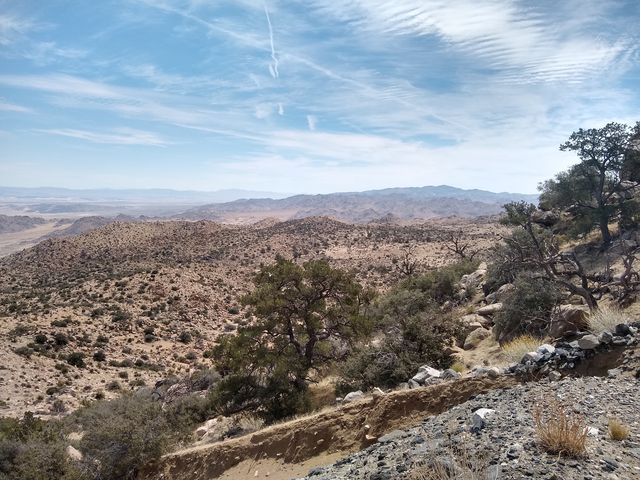
More than $78 million from the LWCF has supported permanently protections for public lands in the California desert since 1964, the MDLT reported.
The Mojave Desert Land Trust’s first land acquisition was the 627-acre Nolina Peak preserve, which was transferred to Joshua Tree National Park using LWCF funds in 2008. Conservationists said this property is part of the Joshua Tree North Wildlife Linkage used by bighorn sheep and mule deer to traverse between the park and nearby habitat.
Since 2006, the program has enabled the land trust to convey 28,941 acres to Joshua Tree and Death Valley National Parks and Mojave National Preserve, and another 28,960 acres to the Bureau of Land Management in federal wilderness areas and the Sand to Snow and Mojave Trails national monuments.
Burgum’s order is available on the department’s website.
Updated Sept. 9, 2025, 12:27 p.m.