

The chairman of the House Subcommittee on Highways and Transit toured San Bernardino County earlier this month to view firsthand regional infrastructure and wildfire-prone areas critical to California’s emergency response capabilities and the national supply chain, county officials announced.
Rep. David Rouzer, a Republican from North Carolina, emphasized the inland Southern California region’s role in supporting national logistics and goods movement and the ever-critical need for funds to pay for public safety infrastructure.
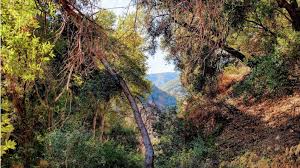
His tour, hosted by the county Board of Supervisors, included an aerial overview of major regional transportation projects over Interstate 10 and the 15 Freeway, one of the nation’s worst bottlenecks, officials said. The tour also included the Cajon Pass and key corridors in the High Desert that are vital to the movement of goods and people, in addition to burn-scar areas and emergency access routes.
“This region plays a vital role in our nation’s supply chain and disaster response framework,” Rouzer said in a statement. “This visit provided insight into the challenges and opportunities San Bernardino County faces in protecting lives and supporting the movement of goods across the country. As we work on the next surface transportation bill, I will take these priorities back to Washington to ensure areas like this are considered in legislative conversations.”
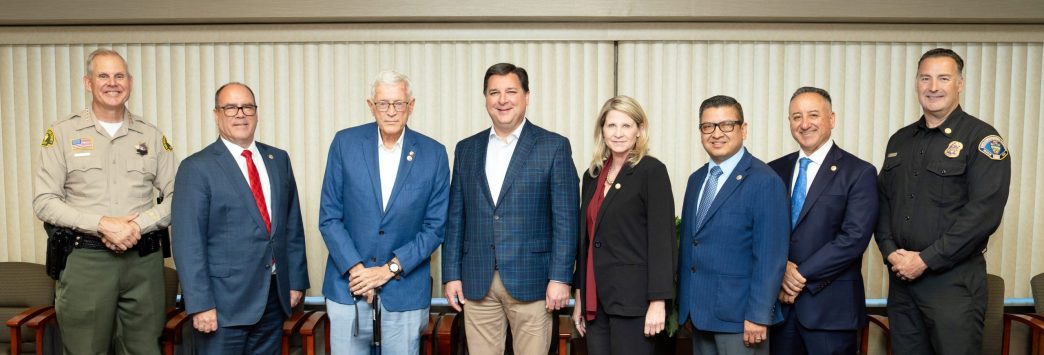
At the County Government Center, board members met with Rouzer and expressed support for federal policies that streamline funding and speed up project completion.
“We were proud to welcome Congressman Rouzer and show him firsthand the importance of building resilient roads and bridges,” Rowe said in a statement. “We’re especially grateful to our congressional delegation, who consistently champion our area’s infrastructure needs in Washington, and to Congressman Rouzer for taking the time to see why this region must remain a priority in federal transportation policy.”
Public safety officials also noted the importance of federal funds.
Sheriff Shannon Dicus said his department was “excited to collaborate with our federal partners for the sake of performance, safety, and long-term growth” and pledged to work “closely with the Board of Supervisors to grow our region responsibly — because strong transportation networks aren’t just critical for commuters and commerce, they’re essential for public safety and protecting lives in high-risk fire zones.”
Fire Chief Dan Munsey led the public safety portion of the aerial tour, and emphasized the importance of maintaining incoming and outgoing access to high-risk fire zones.
“When wildfires strike, seconds matter. The roads we showed Congressman Rouzer today are lifelines,” Munsey said in a statement. “Federal investments in infrastructure that strengthen emergency access will save lives, not just here, but in any community that depends on safe evacuation routes and fast response times.”
Rouzer’s tour was part of the county’s “broader federal engagement strategy to ensure upcoming surface transportation legislation reflects the needs of inland communities and goods movement corridors,” according to a county statement. As the transportation bill develops, the county has its sights set on future federal funding formulas, grant programs and policy reforms, such as streamlining the National Environmental Policy Act and statutory exemptions for emergency infrastructure to support high-priority projects regionwide.