

Long Beach is experiencing a higher-than-usual number of flea-borne typhus cases, along with a localized outbreak, compared with previous years, the city’s Department of Health and Human Services reported Monday.
As of July 31, 20 cases have been reported in the city, a 60% spike compared with 12 cases during the same period in 2024, health officials said.
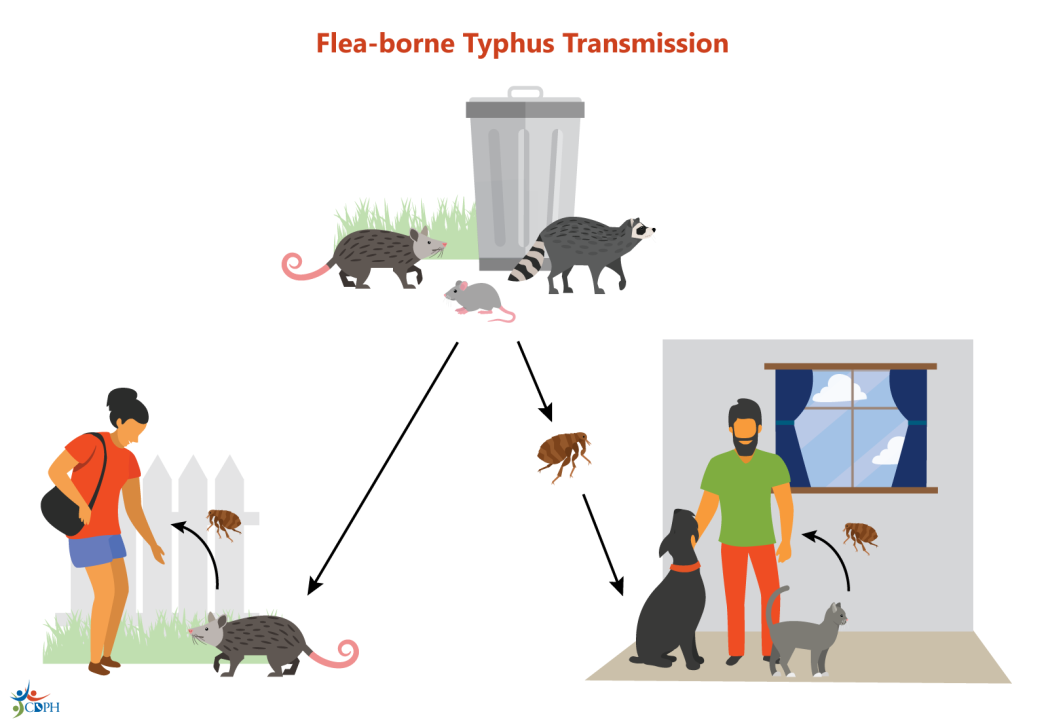
Typhus is a disease that results from bacteria spread to humans from infected fleas usually carried by rats, opossums, feral cats and other animals. Symptoms include high fever, headache, body aches and pain, chills and a rash.
Officials said on average, 20 cases are reported each year and if the current trend continues, Long Beach is expected to surpass its 2021 record of 28 cases reported in a single year.
Typhus is not spread from person to person and is treatable with antibiotics, according to the health department. Anyone who suspects they may have typhus should consult a health care provider about testing and treatment options.
Of the 2025 cases reported so far, 75% of the patients were hospitalized and all have recovered, officials said.
While typhus infections are possible throughout the year, most cases occur in summer and fall months. Officials suggested these steps to help prevent typhus infection:
- Keep pets indoors and treat them regularly with anti-flea medicine.
- Don’t feed or interact with wild animals such as rats, opossums or cats.
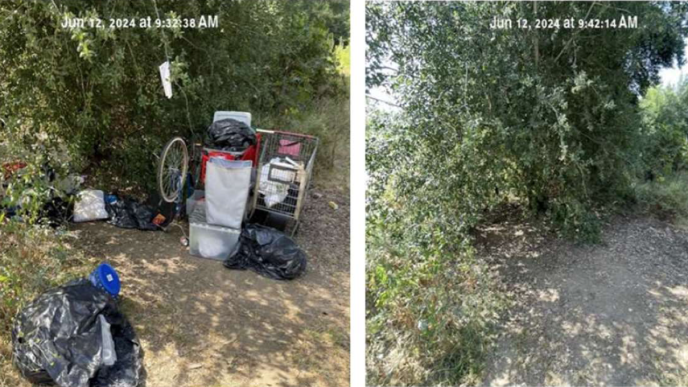
- Clear overgrown vegetation and clutter around residences.
- Cover trash receptacles and remove outdoor food sources.
- Seal openings and crawl spaces under homes.
- Report dead animals to Long Beach Animal Care Services by calling 562-570-7387.
Health department officials said they are monitoring the local typhus outbreak through disease surveillance, case investigation and working with local health care providers.
The city’s Vector Control Program also provides assessments and education to outbreak-affected neighborhoods in an effort to reduce the spread. Official are also expanding community education “to help residents understand the risks and how to protect themselves,” according to a city statement.
More information is at longbeach.gov/typhus or available by emailing lbepi@longbeach.gov.