

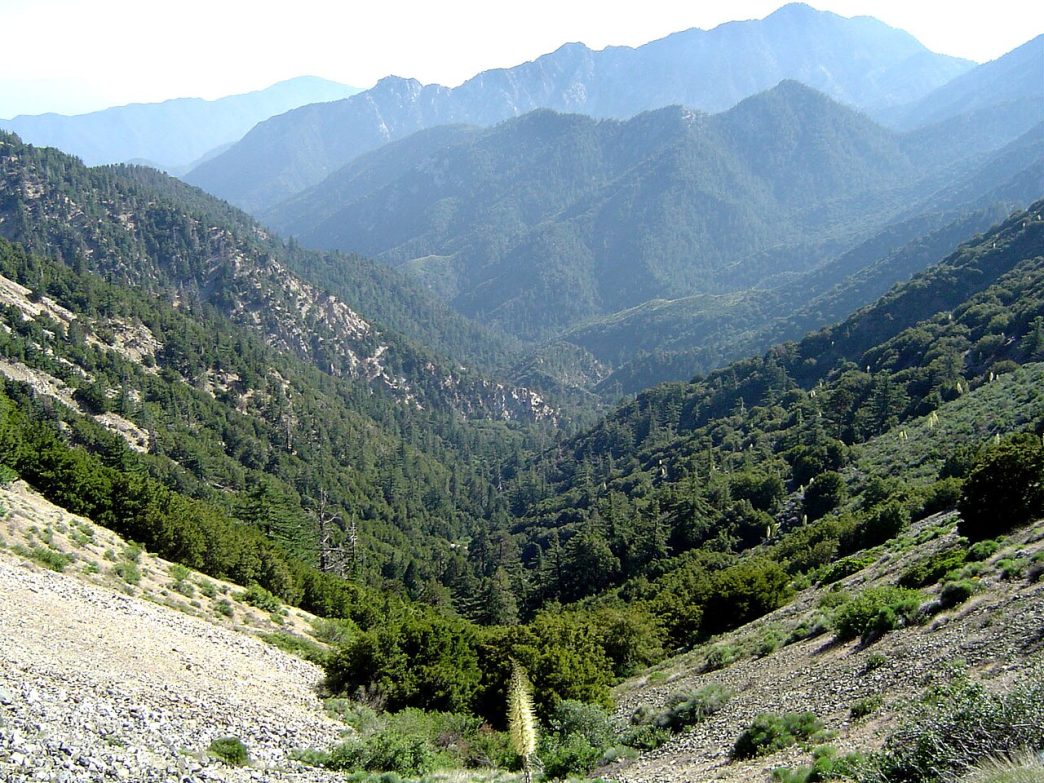
The Trump administration on Tuesday announced plans to rescind decades-old conservation protections in the San Gabriel Mountains and other national forest lands across the country.
The proposal from the U.S. Forest Service would fully eliminate the so-called “roadless rule” adopted shortly before President Bill Clinton left office in 2001. The move would end long-standing protections for around 4 million acres in California.
Administration officials claim the rollback is to help reduce wildfire risk and expand forest management. U.S. Secretary of Agriculture Brooke Rollins said the restrictions on forest lands have frustrated land managers and served as a barrier to wildfire risk reduction work throughout the system of national forests.
“Our forests can’t afford another decade of inaction,” Rollins said in a statement Tuesday. “Across the country, we’ve watched preventable conditions — overgrown stands, insect outbreaks and disease — turn healthy landscapes into tinderboxes. For too long, outdated restrictions have kept tens of millions of forested acres off-limits to the very treatments that improve forest health and reduce wildfire risk to our communities.”
Wildlife advocates and conservationists criticized the proposal.
Alex Craven, the Sierra Club’s forest campaign manager, said in a statement that the roadless rule “is the only thing preventing much of our wildest remaining national forests from industrial development. These forests offer critical habitat for wildlife; provide clean, fresh air and water for millions; and contain vast swaths of the last remaining old-growth forests in the country.”
The policy protects 58 million acres of roadless areas in national forests spanning 39 states, according to Craven.
Eliminating the roadless rule would jeopardize popular recreation areas, wildlife habitat and drinking water sources across 10 national forests statewide, from the Klamath Mountains and the Sierra Nevada to southern ranges, such as the Cleveland National Forest, conservation groups warned.
“By their very nature, roadless areas are remote and inaccessible and experience far fewer ignitions than lands near roads,” Gregory Aplet, senior forest scientist with The Wilderness Society, said in a statement. “Opening roadless areas to logging and road construction will only increase the number of fires, not reduce them.”
According to Rollins, rolling back the roadless rule would “restore authority to local forest managers who know the land best, removing the barriers that have kept them from doing the work the land demands. It’s time to turn the page on the failed roadless rule and return our forests to health and productivity.”
The action aims to prioritize local agency decision-making over regulatory rules that are the same nationwide, regardless of a specific area’s land management issues and necessities, Rollins said.
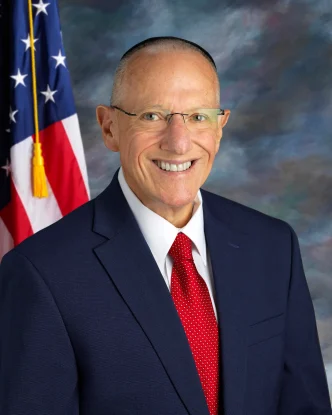
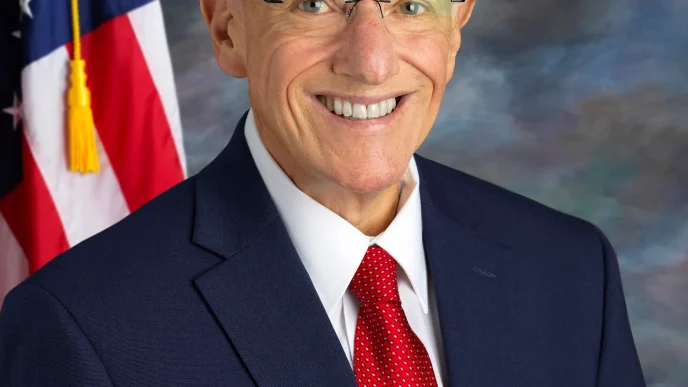
“Active forest management is not an option. It’s essential,” Forest Service Chief Tom Schultz said in a statement. “More than 40% of inventoried roadless areas, primarily in the West, have high or very high wildfire hazard potential. And only 5% of those areas have received hazardous fuels reduction treatments since 2014. At the same time, more than a quarter of these lands — 11.3 million acres — are already near existing roads. Acting now, thoughtfully and decisively, is the best way to restore the balance, reduce wildfire risk, and secure the long-term health of our forests and neighboring communities.”
The Outdoor Alliance estimated the roadless rule impacts more than 10,000 miles of mountain biking routes, 25,000 miles of trails, 8,500 climbing routes and nearly 1,000 miles of whitewater.
“The Roadless Rule has long provided a practical balance for managing backcountry national forests. It protects these landscapes from development while still allowing for active management and a wide array of recreation, including human-powered and motorized opportunities,” Outdoor Alliance CEO Adam Cramer said in a statement. “Policies that successfully balance conservation, recreation, and management are rare, and the Roadless Rule is one of them. Rescinding the rule would undermine decades of successful land management and put some of the country’s best backcountry recreation at risk.”
David Browning, president of the Orange County Mountain Bike Association, urged “everyone who enjoys mountain biking to submit a comment to the U.S. Forest Service and make our voices loud and clear: our public lands should be protected and trail systems accessible for everyone to enjoy.”
More information on the San Gabriel Mountains National Monument and other public lands are on the Forest Service website.