

A federal judge on Tuesday OK’d a request to allow local tribes to intervene in a lawsuit aiming to maintain protections for the Chuckwalla National Monument in Riverside and Imperial counties.
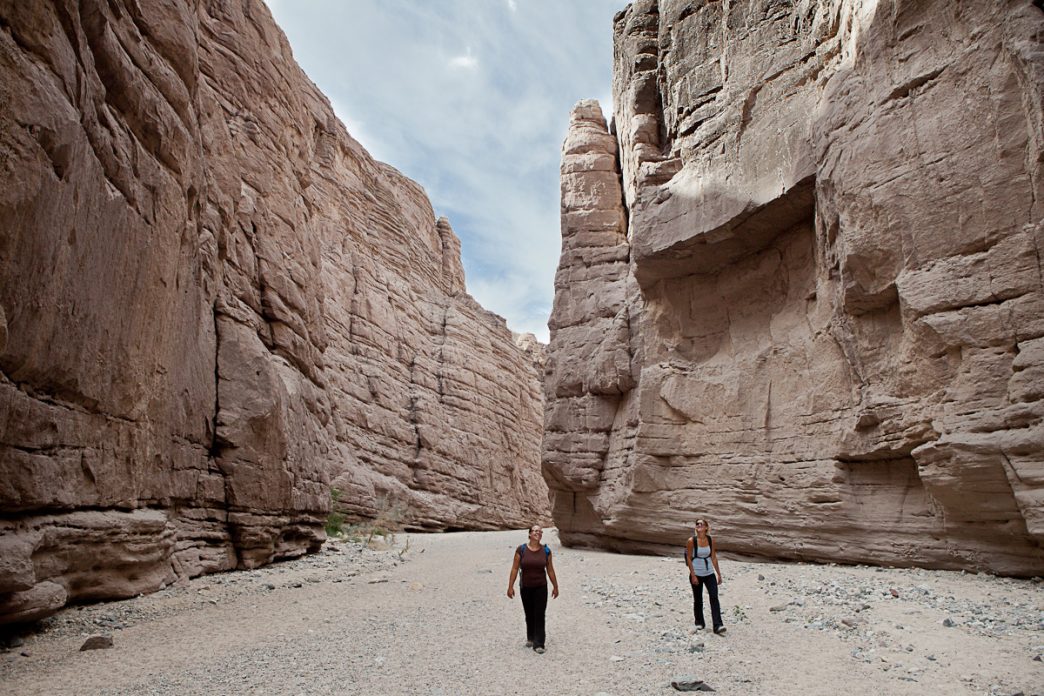
The Chuckwalla Monument protects over 624,000 acres of public land since its establishment at the end of the Biden administration in January 2025.
In August, five tribal nations — the Torres Martinez Desert Cahuilla Indians, the Fort Yuma Quechan Indian Tribe, the Chemeheuvi Indian Tribe, the Colorado River Indian Tribes, and the Morongo Band of Mission Indians — filed a motion to intervene to protect Chuckwalla’s national monument designation.
“The court’s decision reinforces the Tribal Nations’ ability to protect Chuckwalla for their next generations,” attorney Lenny Powell from the Native American Rights Fund said in a statement. “The Tribal Nations are the original stewards of the Chuckwalla landscape, and they will vigorously defend against this meritless attack.”
The United States District Court for the Eastern District of Michigan granted the tribes’ motion to intervene in Torongo v. Burgum, the case that seeks to overturn the monument designation.
The lawsuit seeks to undo the monument designation, which restricts mining, oil drilling and other industrial activity in protected areas and also limits access to motor vehicles to protect ecosystems and endangered flora and fauna.
The Texas Public Policy Foundation, a conservative think tank based in Austin, filed the suit May 1. The suit names Interior Secretary Douglas Burgum and the Interior Department as defendants, alleging that Dan Torongo of Brighton, Michigan, will be blocked from mining on Chuckwalla lands in his retirement and won’t be able to buy or stake new claims. Since 1978 Torongo’s family has held mining claims in the Chuckwalla Mountains.
For years, local tribal governments led the effort to establish Chuckwalla National Monument to protect the landscape’s religious, spiritual, historic and cultural significance, according to the Native American Rights Fund. Local and state governments, local businesses, elected officials and other local organizations joined in the effort to gain monument status. Consequently, in 2024, President Biden designated Chuckwalla a national monument.
In addition to mining interests, a national advocacy group for off-road vehicle enthusiasts also joined as plaintiffs in the lawsuit challenging Chuckwalla’s status.
In addition to granting the tribes’ motion to intervene, the court granted an intervention request for nine nonprofit organizations — CactusToCloud Institute, California Native Plant Society, CalWild, Center for Biological Diversity, Conservation Lands Foundation, National Parks Conservation Association, Sierra Club, The Wilderness Society and Vet Voice Foundation.
“Chuckwalla contains critical wildlife habitats, Indigenous cultural significance, access to nature, and numerous historical sites that should be preserved for generations to come,” Joan Taylor, chair of the Sierra Club’s California/Nevada Desert Committee, said in a statement.
“The lands within Chuckwalla National Monument are the ancestral homelands of several Tribal Nations and Indigenous peoples, and they safeguard a wealth of sacred and cultural sites and rare and culturally important plants and wildlife,” Helen O’Shea, California state director for The Wilderness Society, said in a statement. “These lands are part of our shared American heritage and must be protected so future generations can experience the freedom they provide. We will keep standing up for Chuckwalla and defend the monument against special interests seeking to take it away.”
Republican and Democratic presidents have used the Antiquities Act to designate national monuments for over a century. Since then the U.S. Supreme Court and other courts in the decades since have consistently upheld presidential authority to determine whether and how much land to protect. National monuments have included key stretches of public lands in California such as Joshua Tree and Death Valley, which were protected in the 1930s by presidential proclamations.