

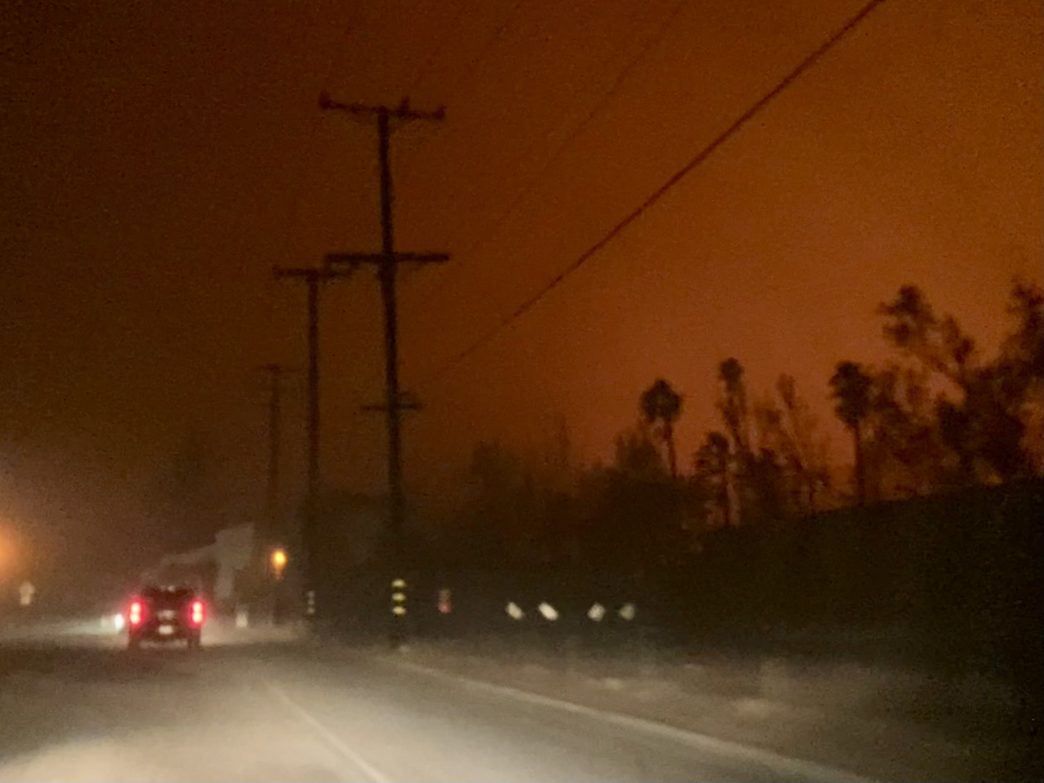
Jan. 7, 2025, dawned bright, clear and very windy in the San Gabriel Valley, with the mountain peaks clad in snow. Most Altadenans and Pasadenans went about their usual chores and workday despite the windstorm. But by the end of that fateful day the lives of several thousand people in these two towns would be upended.
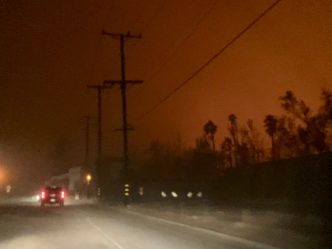
According to news reports, shortly after 6 p.m., residents observed flames on a hillside in Eaton Canyon. While the fire itself was not large, 59 mph wind gusts pushed sparks across the canyon. The wind shifted the embers west into central Altadena and decimated a large swath of the unincorporated LA County area.
The Eaton Fire was the fifth deadliest and second most destructive wildfire in California’s history. Approximately 7,000 residential and commercial structures burned to the ground overnight, with 19 deaths reported. Most of the residents are still temporarily housed, residing in motels and extended-stay hotels in Pasadena and neighboring cities.
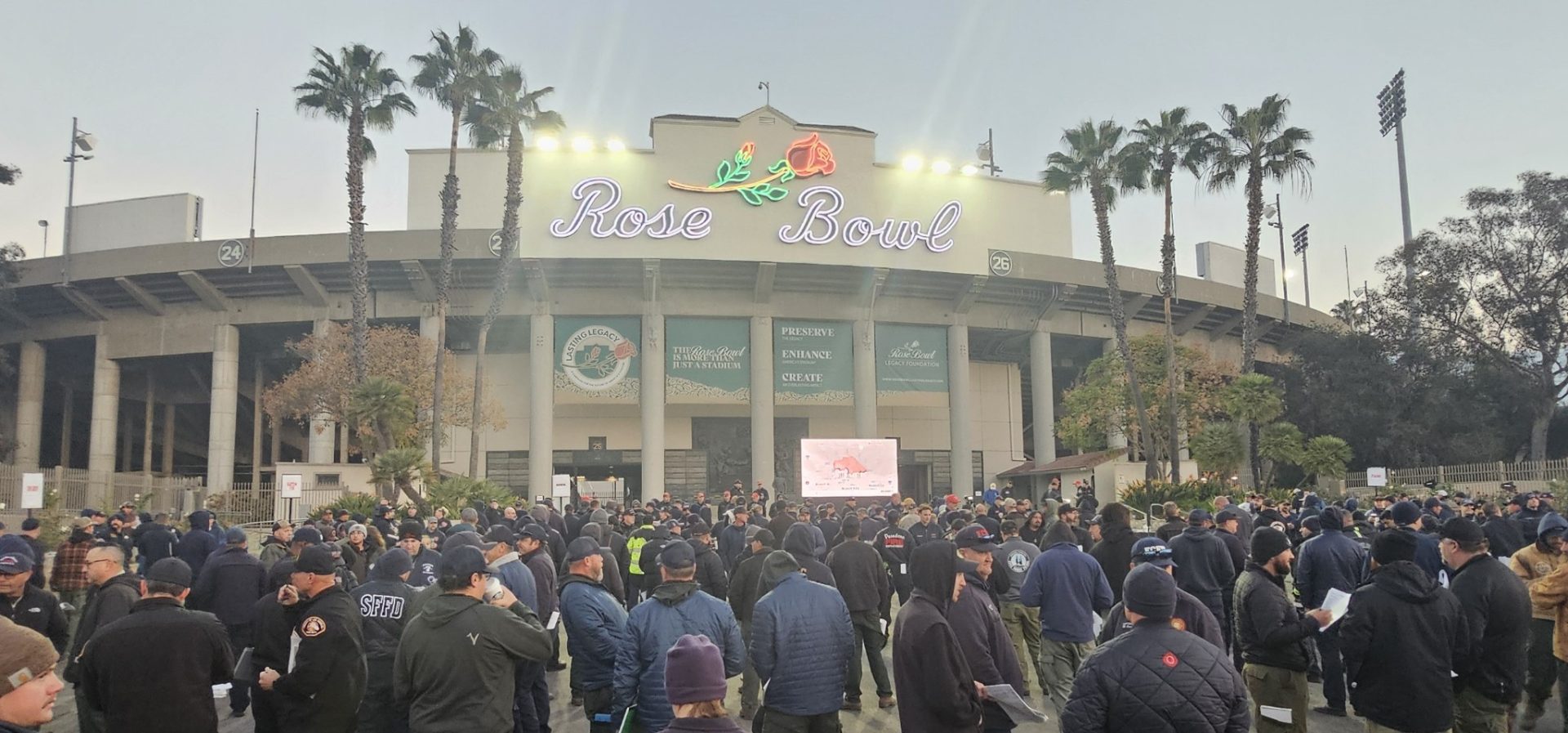
An Altadena man, David Ly, and his family were among those who were displaced. He recalls the horrors they experienced.
“Jan. 7 started for us like a normal day,” says Ly. “We heard about a fire, but at first we didn’t think much of it. Fires happen, and you assume it’ll be contained. Later that day, my brother, who lives in the Highland Oaks area of Arcadia, called and said he could see the fire raging behind his house. He told us he was evacuating to our parents’ place and that we should do the same because the wind could turn at any moment. That’s when it became real and was truly one of the most traumatizing days of my life.
“I remember going back on the morning of Jan. 8 thinking the fire was done because as I drove up Lake Avenue, everything seemed quiet,” Ly continues. “I had no idea I was literally driving into an area still burning. I saw homes on fire, and it was this surreal scene of memories literally disappearing. When I reached my own street, the power lines were down and there was just this heavy sense of disbelief. I locked eyes with neighbors who were also there, and we just stood silently crying. By the time I got to where my house had been, it was all gone. You could still smell the smoke. I’ll never forget that feeling of seeing everything just, gone.”
Ly and his family proceeded to drive out to Dana Point that same day. Then they went to Phoenix to stay with family, to get some distance, and breathe. While it was a moment of disbelief and trauma, for him it was also when he began to realize how many others needed help. The past year had been a difficult journey, but it also gave him purpose — help others rebuild.
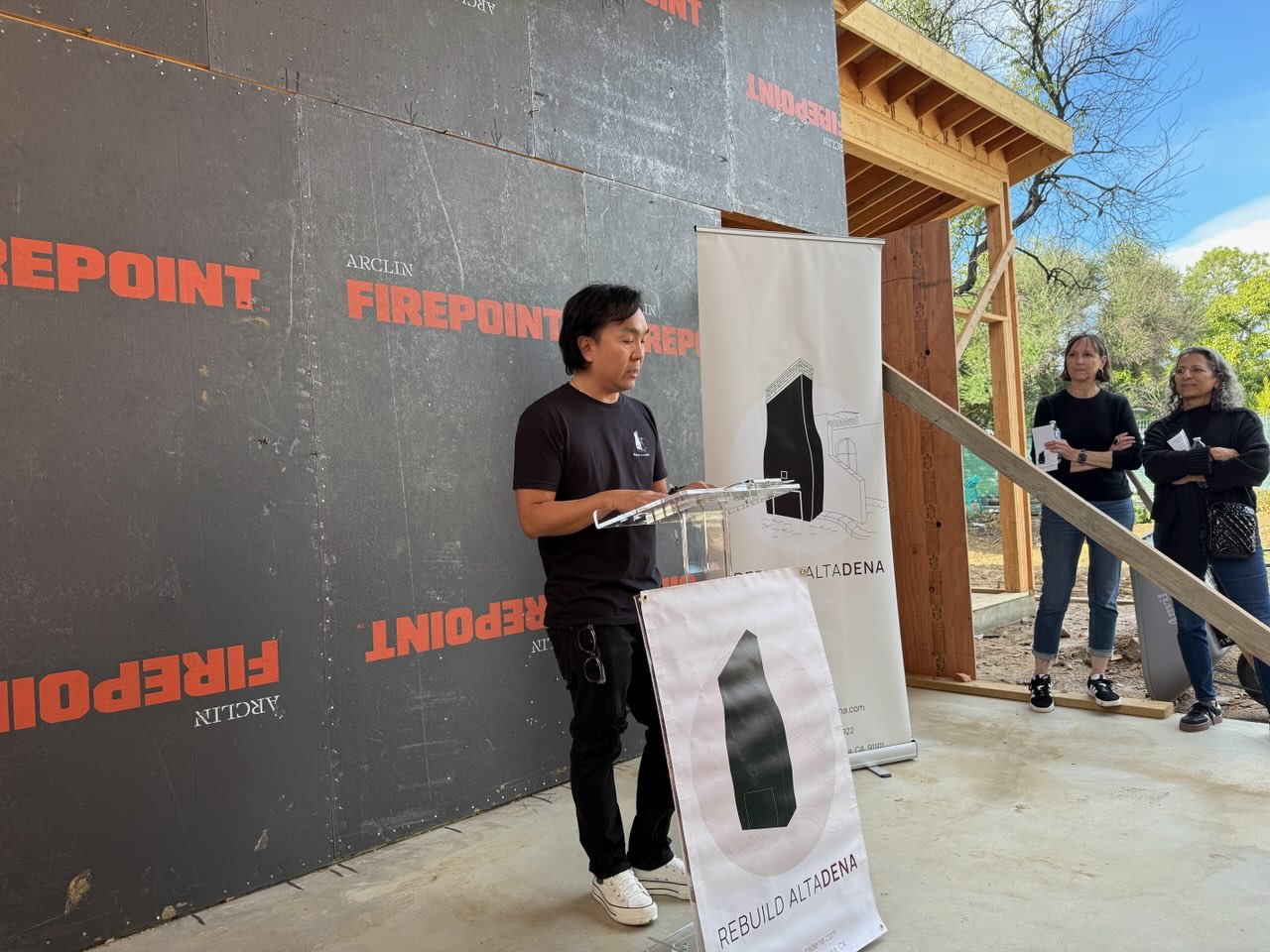
“Rebuild Altadena was born from the ashes of this fire, so we are not business as usual,” declares Ly. “Our focus is on rebuilding smarter and more fire-resilient, based on what this community has lived through. The concept behind it is rebuilding as a community. After the fire, it became clear that families were overwhelmed trying to navigate everything on their own — the county process, insurance, engineering, timelines and rising construction costs.
“We bring together a coordinated network of designers, engineers, and contractors who are focused almost entirely on Altadena,” Ly explains. “Just like our organization, their priority is helping this community rebuild — not chasing projects across Los Angeles. That’s where our Group Build approach comes in. It means our entire network is concentrated on the same area, working under the same County requirements and fire-rebuild conditions. By staying local, our partners are able to respond faster; keep pricing lower and more stable, even as tariffs and material costs fluctuate; reduce inefficiencies caused by labor shortages; share real-time knowledge from project to project; and move families through the rebuild process together. That level of coordination simply doesn’t happen when a contractor has job sites scattered across multiple cities.”
Rebuild Altadena uses bulk purchasing to protect homeowners from sudden cost spikes. By buying materials — including cabinets, tile, FirePoint plywood, HVAC systems and lighting — in volume, the company can lock in pricing and reduce exposure to shortages and supply-chain disruptions.
“At the heart of everything we do is a neighbor-first philosophy,” emphasizes Ly. “Rebuild Altadena exists to make sure families who want to come home can do so with a rebuild that is reliable, locally built, transparent and fire-resilient. This isn’t about shortcuts or volume — it’s about rebuilding Altadena smarter, safer, and with accountability that lasts long after construction is complete.”
The company is supported by a network of about 25 building professionals, comprised of contractors, designers, structural and civil engineers, surveyors, permit expeditors and specialists in fire-hardening and resilient construction.
“We also have key staff members who bring deep lived experience and local leadership to the work,” Ly says. “One example is Steve Lamb, a fifth-generation Altadenan who lost his home in the Eaton Fire. Steve previously served on the Altadena Town Council and is a residential designer whose career has focused on historical preservation. His background reflects the values of this community — respecting Altadena’s architectural character while helping it rebuild stronger and safer. People like Steve don’t just contribute professional expertise; they carry the history, pride and long-term vision of Altadena.
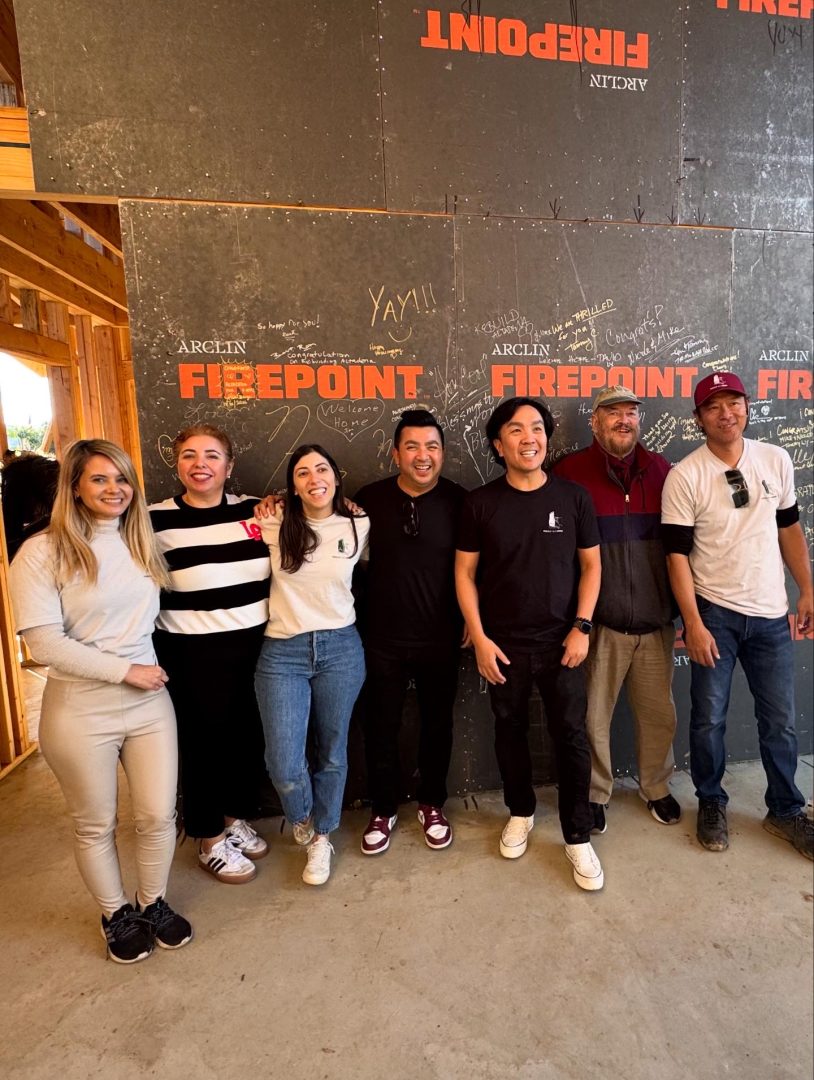
“And our network continues to grow every day,” adds Ly. “More individuals and companies reach out because they want to help. They see the need, they believe in the mission, and they want to be part of rebuilding our town the right way.”
Since its founding, there have been four Rebuild Altadena Fairs, each growing dramatically as the community and industry partners have rallied behind the effort. Each Fair brings in 50 to 70 building professionals — architects, designers, engineers, builders, SBA representatives, county officials, material suppliers and fire-hardening specialists. These events have drawn up to 2,000 attendees, making them one of the largest community rebuild gatherings in the region.
“When we first started, the goal was simple: give fire-affected families a place to meet architects,designers, the SBA, the County, and builders — all in one room, without barriers or confusion. But the Fairs have evolved into something much bigger,” Ly explains. “Our most recent event included: fire-hardening materials; 3D visual walkthroughs of rebuild designs; Vicon exterior fire-sprinkler demonstrations; a full Rebuild Zone where homeowners could see, feel, and compare real materials; windows and doors; tile and flooring options; roofing systems; lighting by Maison Enterprises; and other essential components of a resilient rebuild. It’s become a true one-stop experience where families can get educated, meet their teams and touch the materials that will become their future homes. For many residents, the Fair is the first moment they feel clarity and hope again.”
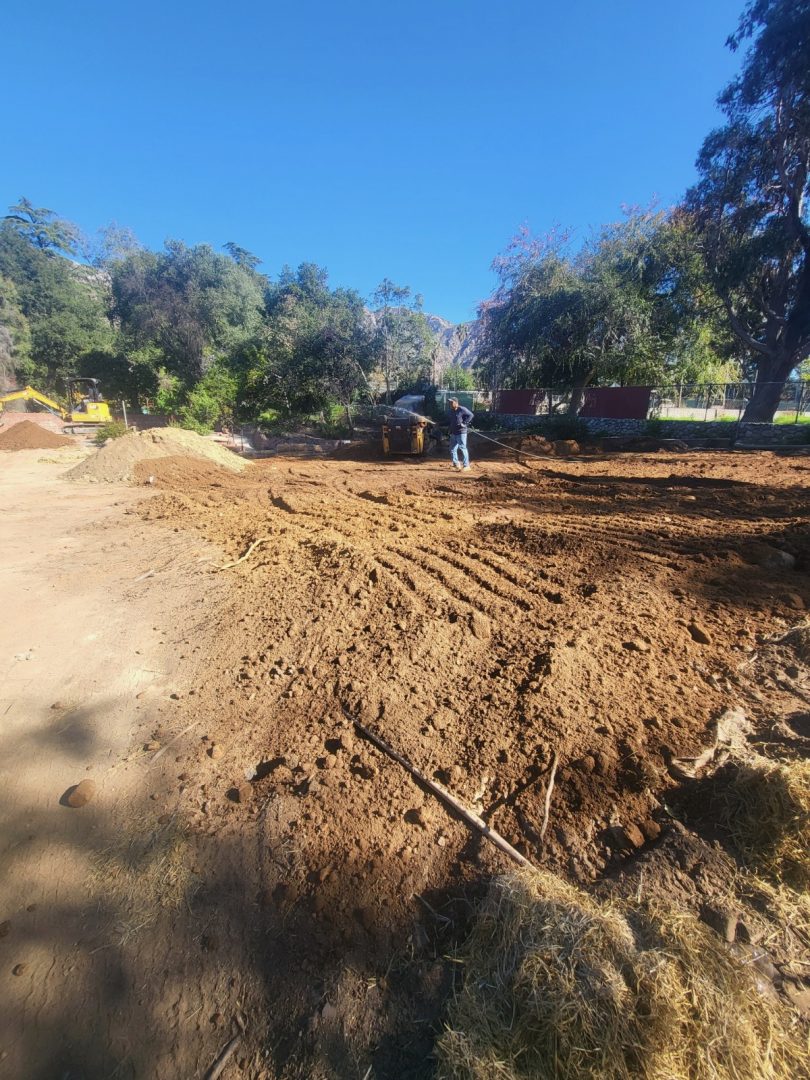
Starting in the new year, one major Rebuild Altadena Fair every three months is being planned. These quarterly events allow Ly’s team to keep homeowners updated, introduce new technologies, and bring in additional experts as the rebuild landscape evolves.
“Families are still facing very complex concerns in the rebuild process, and these Fairs help address the biggest challenges we hear every day,” states Ly. “These include navigating the County process which is unfamiliar and stressful, especially for families who lost everything overnight. People are overwhelmed by engineering corrections, plan-check timelines, fire-zone requirements, inspections, knowing what to submit and when.”
“Additionally, homeowners are concerned about rising construction costs and insurance gaps,” Ly says further. “Many homeowners worry their insurance payout won’t cover today’s costs. They need guidance on budgeting, materials and how to avoid unnecessary expenses.”
“Fire-hardening and long-term safety are also major concerns,” declares Ly. “Residents want to rebuild stronger but often don’t know which materials are best, what new codes require, and how exterior fire sprinklers, roofing, windows, doors and siding work together. This is why we bring FirePoint sheathing, Vicon exterior fire sprinklers and other fire-resilient products to the Fairs.”
“And then there are temporary housing pressures,” Ly cites. “Families are still paying rent out of pocket. Delays hurt not just emotionally but financially, creating urgency for clear timelines and dependable teams.”
“Another worry is knowing who to trust,” says Ly. “After a disaster, homeowners are approached by dozens of contractors and consultants. Many fear choosing the wrong people. Rebuild Altadena was created so residents have vetted, local professionals they can rely on. The quarterly Fairs give families a place to get answers, explore materials in person, meet trustworthy experts and move forward with confidence.”
Out of roughly 4,500 single-family homes lost in the Eaton Fire, Ly estimates that about 60% to 70% of residents intend to rebuild, though everyone is moving at a different pace depending on insurance, finances and the county process.
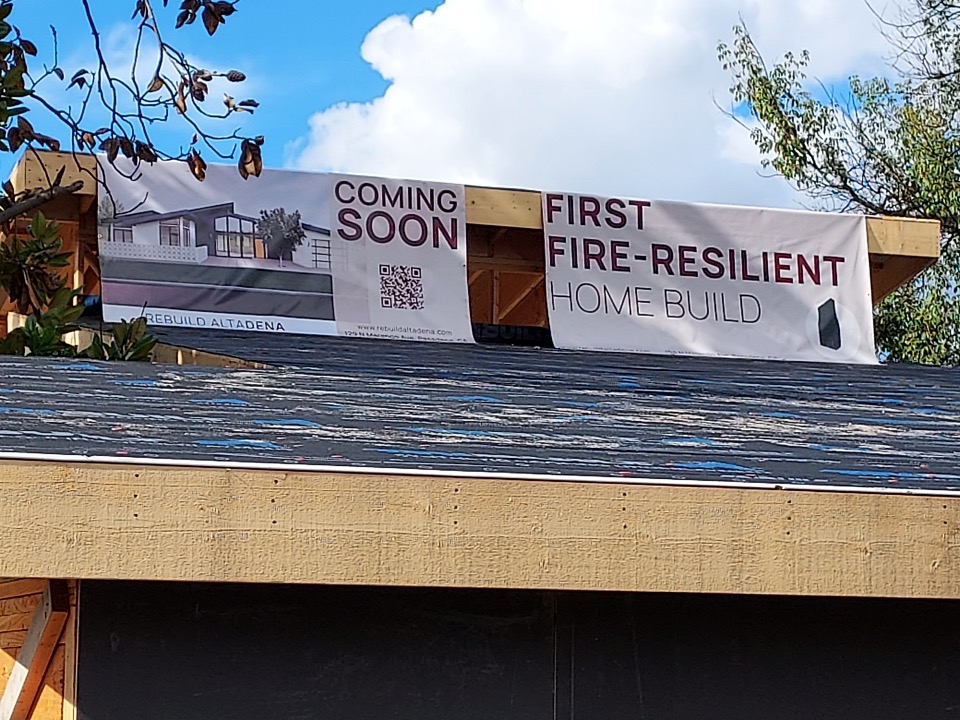
“Most families are still in the design, engineering, or plan-check stages, working through approvals and corrections,” Ly says. “A smaller number have reached construction. And we’re very proud that one of the very first rebuilds in Altadena is a Rebuild Altadena project. By the one-year anniversary of the fire, that home will be in painting and finishing stages.”
“Not only is it among the first to rise from the fire, it’s also the first home in the entire burn zone to use fire-resilient materials like FirePoint Sheathing, which is designed specifically to withstand extreme heat exposure,” Ly explains. “For many families, that home represents hope — a sign that rebuilding is possible, and that we can do it smarter and more resilient than before.”
Rebuild Altadena is currently supporting more than 30 homes in the design and planning phase, which includes architectural design, engineering and county plan check.
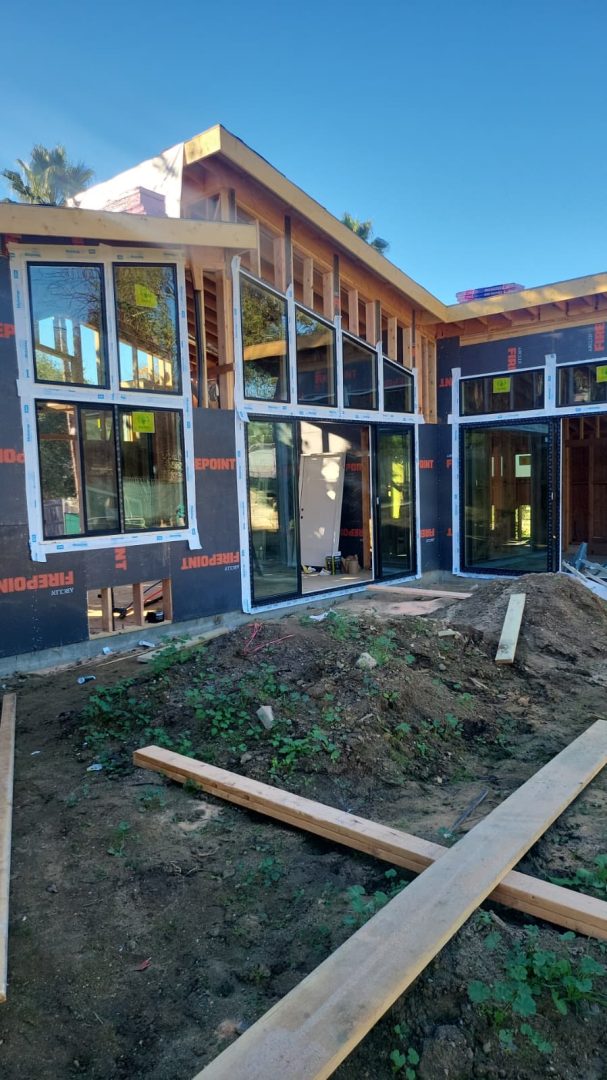
“On the construction side, two homes began construction in mid-December,” Ly says further. “We anticipate three additional homes breaking ground in the first half of January, assuming permitting and utility coordination stay on track. Aside from the first home that will be in finishing stages, the timelines for the other rebuilds vary based on lot conditions, design complexity, utilities and fire-hardening requirements. For most projects, a realistic expectation is 12 to 18 months from permit issuance to completion.”
Ly is also rebuilding. And being one of the first rebuilds in Altadena comes with its own unique set of challenges, one that every family after him will face as well.
“For example, we’re dealing with major utility uncertainties,” Ly explains. “Southern California Edison still hasn’t confirmed whether they’re going overhead or underground with the new electrical system, which affects design, trenching and timelines.”
“Because of new fire codes, many homes — including mine — now require interior fire sprinklers,” cites Ly. “That means a lot of families must upgrade their water meters, and one of our clients was quoted an astronomical price by the water company just to make that change. These are things no homeowner planned for.”
“And that’s why Rebuild Altadena has taken on a strong advocacy role,” Ly declares. “We’ve already helped the community win important battles: eliminating unfair fire hydrant flow test fees for each individual home; challenging cross-lot drainage requirements that didn’t make sense for wildfire survivors; pushing back on county fees and conditions that were originally designed for single new homes being built in an established neighborhood — not for a town where thousands of homes burned overnight.”
“We didn’t ask for this disaster,” asserts Ly. “We lost our homes, our stability, and in many ways our sense of place in a single night. Families should not be burdened with excessive fees and code upgrade costs that were never intended for a mass-rebuild situation. So yes, I’m rebuilding — but I’m also fighting every day for the families behind me, making sure the path gets a little clearer and a little fairer for all of us.”
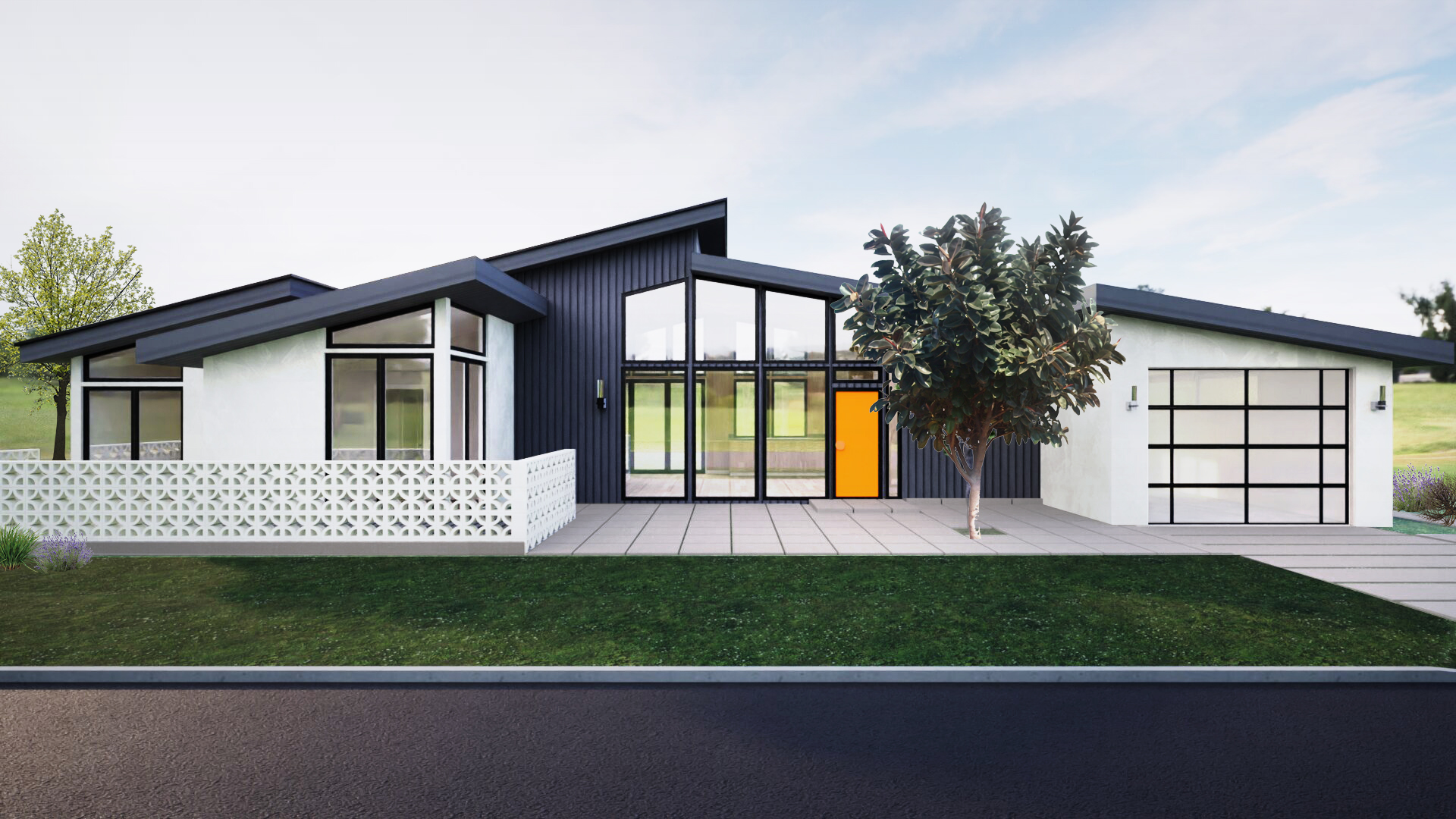
“Altadena is in a complicated place right now,” Ly says further. “There’s a mix of grief, frustration, determination, and hope all happening at once. Physically, many lots are still empty, and that can make it feel like time has stood still. Simultaneously, there’s real movement happening — plans being approved, foundations going in and the first homes starting to rise. Progress is uneven, but it’s real.
“Emotionally, people are tired,” laments Ly. “Many families are still displaced, paying rent, navigating insurance and waiting on approvals. There’s frustration with the pace of utilities and permitting and uncertainty about what comes next. But there’s also a strong sense of resolve. Neighbors are more connected than they were before the fire. People are sharing information, showing up for one another and pushing for fair treatment together. You see it at community meetings, at the Rebuild Altadena Fairs and even just on the street.”
An article in the Los Angeles Times in November 2025 featured the first house that was rebuilt after the Palisades Fire. The developer-owned showcase home, which was constructed within six months, was an advertisement of sorts. The company has a library of home plans available for faster rebuilds and claims a rebuild typically takes 12 months.
Asked if this can be done in Altadena, Ly replies, “I saw that article, and it’s an impressive accomplishment. But comparing the Palisades rebuild to Altadena isn’t exactly apples to apples. In the Palisades example, the contractor rebuilt his own model home — a single property, on a standardized lot, with no insurance complications and no displaced family depending on it. That allowed him to fast-track the process and present a ‘template’ home.”
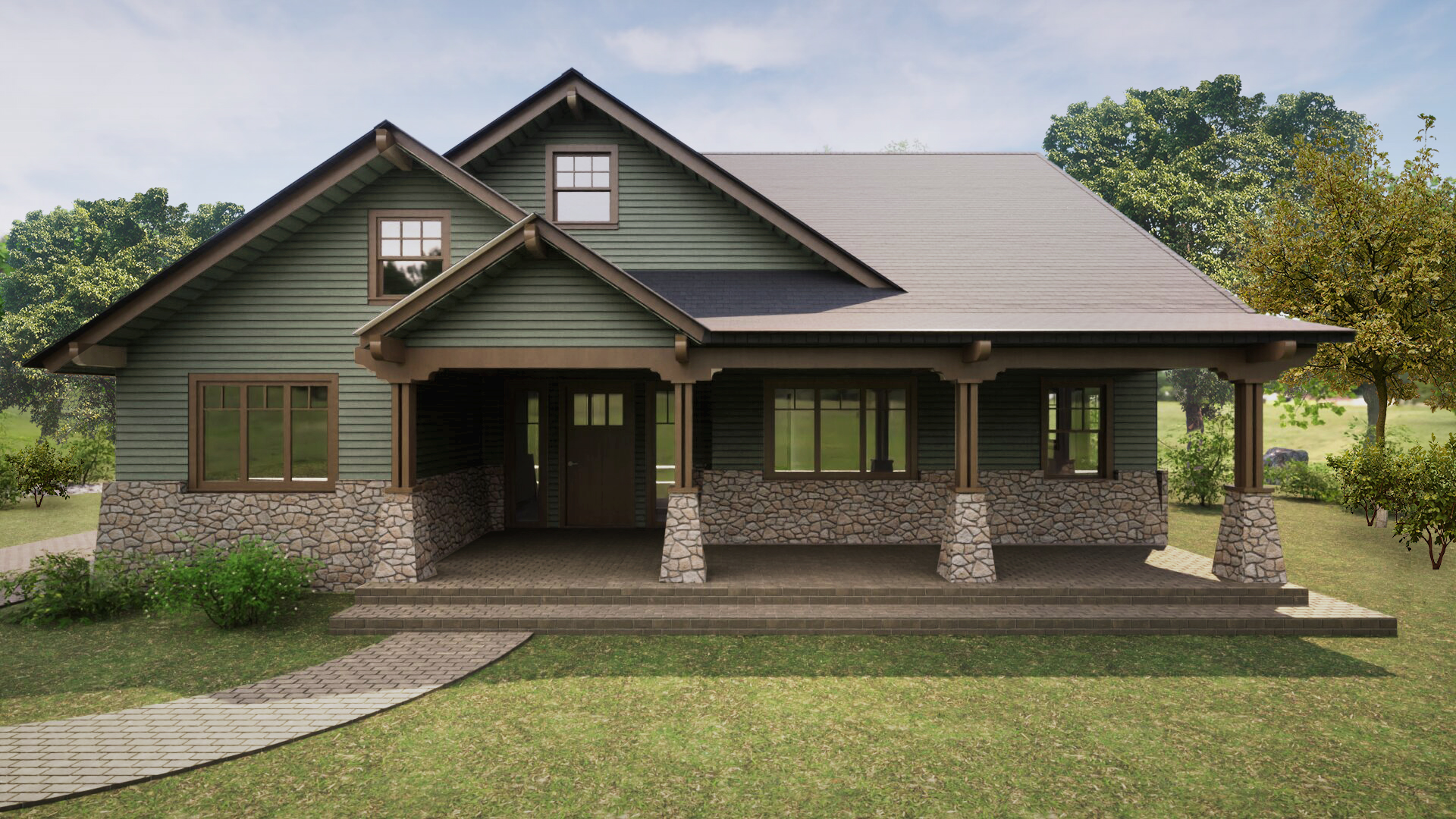
“But Altadena is different,” expounds Ly. “We pride ourselves on our diversity — our lots, our architecture, and our neighborhoods are not cookie-cutter. Many of us don’t want pre-designed, identical boxes placed across the community. People want to rebuild homes that reflect who they are, not a one-size-fits-all model. And with that individuality comes complexity: unique slopes and topography; older utility systems; unanswered questions from SCE about overhead vs. underground power; interior sprinkler requirements that force water meter upgrades; soils, drainage and grading challenges; insurance delays; and county processes that were never designed to handle over 4,500 rebuilds at once.
“So while it’s inspiring to see a house rebuilt in six months, making that promise in Altadena would be unrealistic — even irresponsible,” Ly continues. “False promises give families hope in the short term, but they cause real pain when they fall apart. What we are focused on is speed with integrity — rebuilding smarter, stronger, and with fire-resilient materials. Our goal is to eventually streamline to a point where 12-month rebuilds become achievable.”
What would success look like and what accomplishments does Ly envision for Rebuild Altadena?
“Success for Rebuild Altadena isn’t measured by how fast we rebuild homes,” states Ly. “It’s measured by whether families feel supported, empowered, and protected throughout one of the hardest experiences of their lives. Success is thousands of families back home, living in a safer, stronger, more unified Altadena. That’s what we’re fighting for every day.”
Very soon now, a Rebuild Altadena house will be completed. It will most probably be celebrated not only by the family that moves in, but by the thousands of other families who are still displaced. Each house that rises from the ashes of the Eaton Fire provides them with a glimmer of certainty that one day in the not-too-distant future they will be back — exhausted by the ordeal they’ve been through, but very happy to return to the town they call home.