

Los Angeles County health officials have confirmed the year’s the first locally acquired case of the mosquito-borne illness dengue and another case of a more severe strain of mpox.
The dengue patient is a San Gabriel Valley resident with no history of travel to areas where dengue is endemic, the LA County Department of Public Health reported Wednesday. The unidentified individual developed symptoms in late September and is recovering.
“While the potential risk for widespread dengue virus transmission in Los Angeles County remains low, this case highlights the presence of infected mosquitoes locally and underscores the importance of preventive measures to control the spread of this virus,” according to a health department statement.
Officials reported 14 locally acquired dengue cases in 2024. Dengue infections are considered extremely rare in Southern California, where the virus had never before been transmitted by mosquitoes.
The virus spreads mainly via the bite of an infected Aedes mosquito. People infected with the virus could develop flu-like symptoms — fever, headache, muscle pain, rash and mild bleeding — while severe cases can result in shock and organ impairment requiring immediate medical aid.
“Dengue is preventable, and community action is our strongest defense,” LA County Health Officer Dr. Muntu Davis said in a statement. “Preventing mosquito bites and mosquito breeding is the best way stop local transmission of dengue. People should follow these simple steps to reduce their exposure to mosquitoes and risk for mosquito bites: 1) Use insect repellent on you and your family; 2) Remove items that hold standing water around your home where mosquitoes can lay eggs and breed; and 3) Use, install, or repair window and door screens to prevent mosquitoes from entering your home.”
Public Health is working with the San Gabriel Mosquito and Vector Control District on enhanced surveillance, response measures and community engagement. The district is trapping and monitoring mosquitoes, while taking steps to reduce their population.
“In response to emerging disease risk, the District rapidly launched enhanced mosquito control operations across the community,” District Manager Jason Farned said in a statement. “Teams are actively conducting surveillance, eliminating breeding sources, and engaging residents to reduce the risk of further transmission. We encourage residents to take simple preventive steps at home, like tipping out standing water and using mosquito repellent.”
Mpox
County health officials Thursday confirmed an additional case of a more severe strain of mpox in a local patient with no known history of traveling to locations where the virus is known to exist.
On Tuesday, Long Beach health officials announced the first locally acquired case of the virus. The two cases are believed to be the only clade I mpox infections in the United States involving people who have no known travel history.
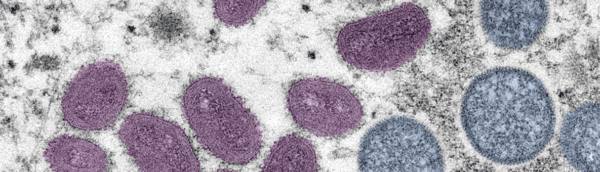
Clade I mpox is a more serious strain of mpox compared with clade II, which led to a 2022-23 mpox outbreak nationwide. Clade I generally causes more severe illness. Symptoms include rash or lesions, fever, chills, sore throat, swollen lymph nodes and body aches.
Only about eight cases of clade I mpox have been confirmed in the U.S., according to the county health department. Officials have confirmed 118 cases of clade II mpox so far in 2025.
The unidentified clade I mpox patients in LA County and Long Beach both were hospitalized and now are recovering at home.
“The identification of cases of clade I mpox, which may cause more severe illness than the more common clade II, is concerning,” Davis said in a statement. “Mpox continues to be spread largely through close, intimate contact with symptomatic people, mainly during sexual activity. Early detection, testing and vaccination are vital to controlling the spread of this virus. Getting both doses of the JYNNEOS vaccine provides the best protection against mpox.”
Clade I mpox has been primarily found in Central and Eastern Africa.
The virus spreads by direct contact with infectious sores or body fluids, sexual or intimate contact and touching contaminated items such as bedding or clothing. Most people recover within two to four weeks, but antiviral treatments may be considered for individuals with or at risk of developing severe illness, health officials said.
While the infection risk is low, the health department recommended vaccines for people who may be at heightened risk — gay or bisexual, men who have sex with men, transgender and non-binary people, people who are immunocompromised, someone who was exposed to a person with mpox, those with occupational exposure and people planning to travel to areas with ongoing mpox outbreaks.