

A group of Southern California tribes on Monday announced the formation of a commission to work with the federal government to manage the Chuckwalla National Monument.
The coalition of tribal governments based in Riverside and Imperial counties include the Torres Martinez Desert Cahuilla Indians, Fort Yuma Quechan Indian Tribe, Cahuilla Band of Indians and Chemehuevi Indian Tribe, along with the Colorado River Indian Tribes based in Arizona. The new Chuckwalla National Monument Intertribal Commission reflects the connection of numerous Indigenous cultures to the local landscape and their commitment to ensure that “tribal values, expertise, cultural heritage, and traditional ecological knowledge” factor into monument management.
“The Chuckwalla National Monument is more than a habitat filled with trees, plants, and wildlife; for the Torres Martinez Desert Cahuilla Indians, it embodies life itself, and we are intrinsically linked to it, committed to safeguarding it,” Joseph Mirelez, chairman of the Torres Martinez Desert Cahuilla Indians, said in a statement. “It is our inherent role to be the stewards and guardians of these lands, and in this moment of federal government dysfunction, all the more important that we reassume it formally.”
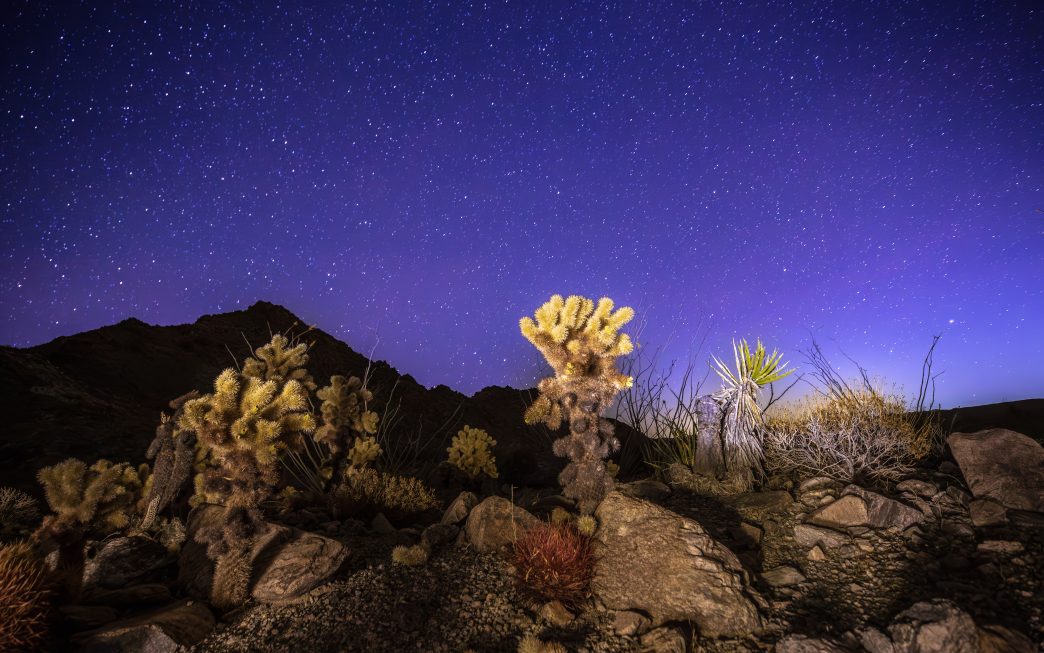
Chuckwalla’s monument status was established by an executive order at the end of the Biden administration, safeguarding over 624,000 acres of public lands south of Joshua Tree National Park. The monument stretches from the Coachella Valley region in the west to near the Colorado River in the east and is located within the traditional territories of peoples known as Iviatim or Cahuilla, Nüwü or Chemehuevi, Pipa Aha Macav or Mohave, Kwatsáan or Quechan, and Maara’yam and Marringayam or Serrano, as well as other Indigenous cultures.
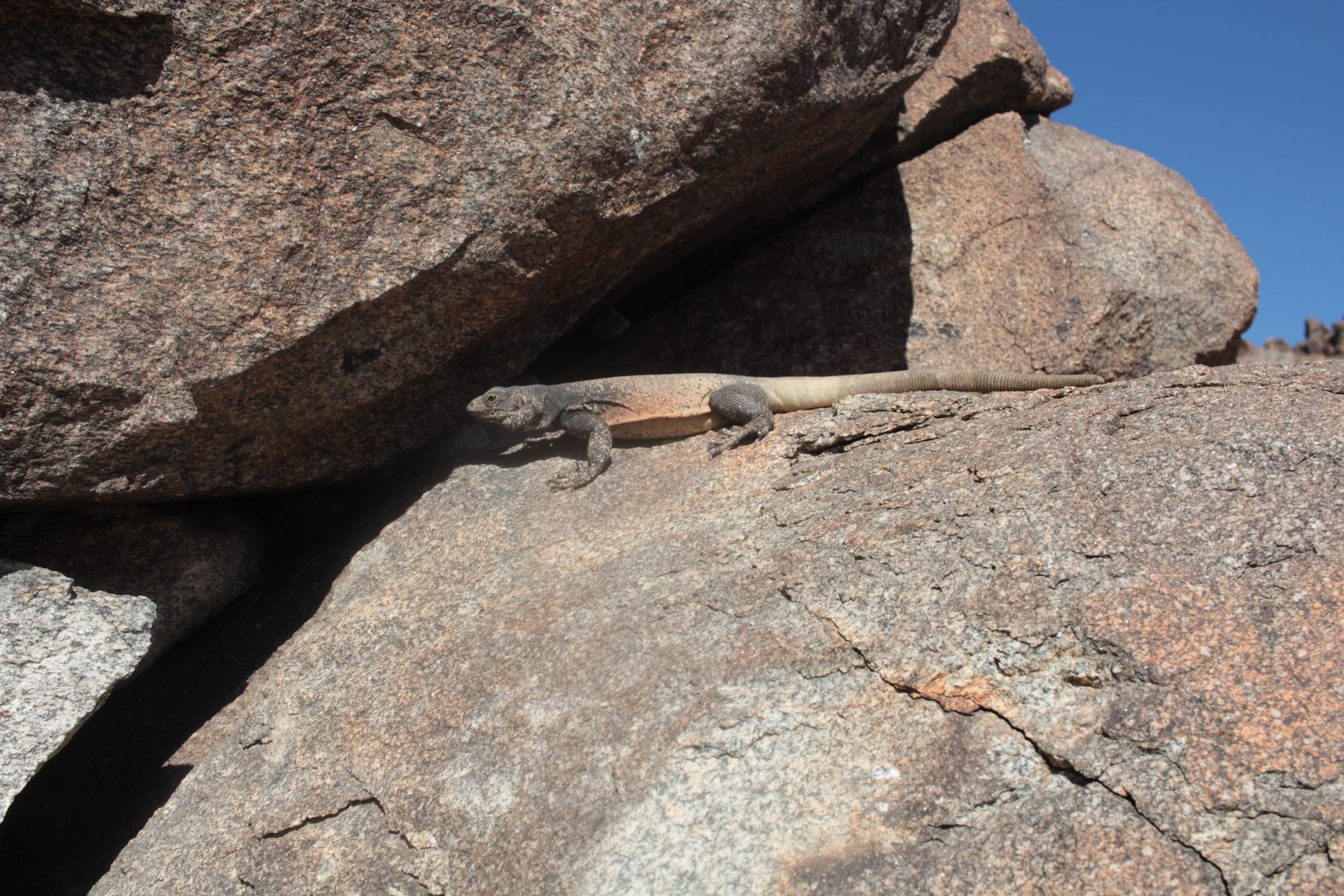
The monument’s name is derived from the Cahuilla word “čáxwal” and refers to the Chuckwalla lizard, a species native to the region.
“Chuckwalla National Monument is imbued with religious, spiritual, historic, and cultural significance for Tribal Nations that trace their origins to these lands,” Jonathan Koteen, president of the Fort Yuma Quechan Indian Tribe, said in a statement. “The area contains an abundance of artifacts attesting to its connection to diverse human communities since time immemorial. The formation of the Chuckwalla National Monument Intertribal Commission will help ensure that Indigenous values and principles are integrated into the region’s land management plan.”
The presidential decree that established Chuckwalla National Monument acknowledged that the “region has been profoundly sacred to Tribal Nations and Indigenous peoples with ties to the Colorado and Mojave Deserts.” Biden’s proclamation directs the U.S. Interior Department secretary to meaningfully engage with tribal governments that have cultural or historical affiliation to the area and to promote opportunities for co-stewardship of monument land.
The proclamation specifically directs the secretary to engage with an independent commission comprised of officials from tribal governments in the planning and management of the monument.
“Tribal Nations, including the members of the Commission, have been connected to this landscape since time immemorial and will continue to steward this landscape into the future,” Chemehuevi Indian Tribe Chairman Daniel Leivas said in a statement. “The Chuckwalla National Monument Intertribal Commission will work towards a Tribally-led vision for the monument that benefits Tribal Nations, sacred objects within the monument, and the broader Chuckwalla landscape. We believe that by unity of action we can accomplish this vision, and we invite additional Tribes to join us in this effort.”
Monument lands have an abundance of historical artifacts and ancestral material, demonstrating Chuckwalla’s connection to diverse human communities that date back thousands of years.
A wealth of “cultural, geological and ecological values” in the Chuckwalla region draw visitors from all over the world to explore the area’s scientific research that monument status ensures for future generations, monument supporters said.
“Chuckwalla National Monument includes village sites, camps, quarries, food processing sites, power places, trails, glyphs, and story and song locations, all of which are evidence of the Cahuilla peoples’ and other Tribes’ close and spiritual relationship to these desert lands,” Cahuilla Chairwoman Erica Schenk said in a statement.
Tribes with support from desert city governments led the effort to create the monument. Banning, Cathedral City, Desert Hot Springs, Indian Wells, Indio, La Quinta, Palm Desert and Palm Springs voiced support, along with a bipartisan group of local elected officials, more than 300 businesses, several business groups and chambers of commerce and residents of the eastern Coachella Valley and nearby areas, monument supporters said.
The California Legislature also passed a resolution supporting the monument.
The city of Blythe, however, came out against the monument designation and urged federal officials to consider amending and reducing the monument’s boundaries “to balance environmental conservation with the community’s economic and recreational needs,” according to a city statement Jan. 30.
“The proposed boundaries severely restrict public access to a vast area of land that has long been vital to our community and regional economy,” Mayor Joseph DeConinck said. “We believe a more measured approach to the monument’s boundaries can preserve the environment while allowing continued access for activities like hunting, mining and outdoor recreation, which are crucial for Blythe’s residents and visitors alike.”
In April, reports surfaced indicating the Trump administration was considering executive orders to cancel Biden administration actions, including one “terminating proclamations declaring a million acres of new national monuments that lock up vast amounts of land that lock up economic development and energy production.”
It was unclear if the administration was still considering reducing monument’s size or canceling its protected status.
The Texas Public Policy Foundation, a conservative think tank based in Austin, filed a federal lawsuit May 1 in Michigan. The suit names Interior Secretary Douglas Burgum and the Interior Department as defendants, alleging that Dan Torongo of Brighton, Michigan, will be blocked from mining on Chuckwalla lands in his retirement and won’t be able to buy or stake new claims. Since 1978 Torongo’s family has held mining claims in the Chuckwalla Mountains.
The lawsuit also contends that federal protections prevent driving, hiking and exploring trails inside the monument by off-roading enthusiasts affiliated with the BlueRibbon Coalition.