

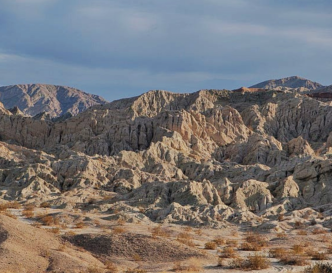
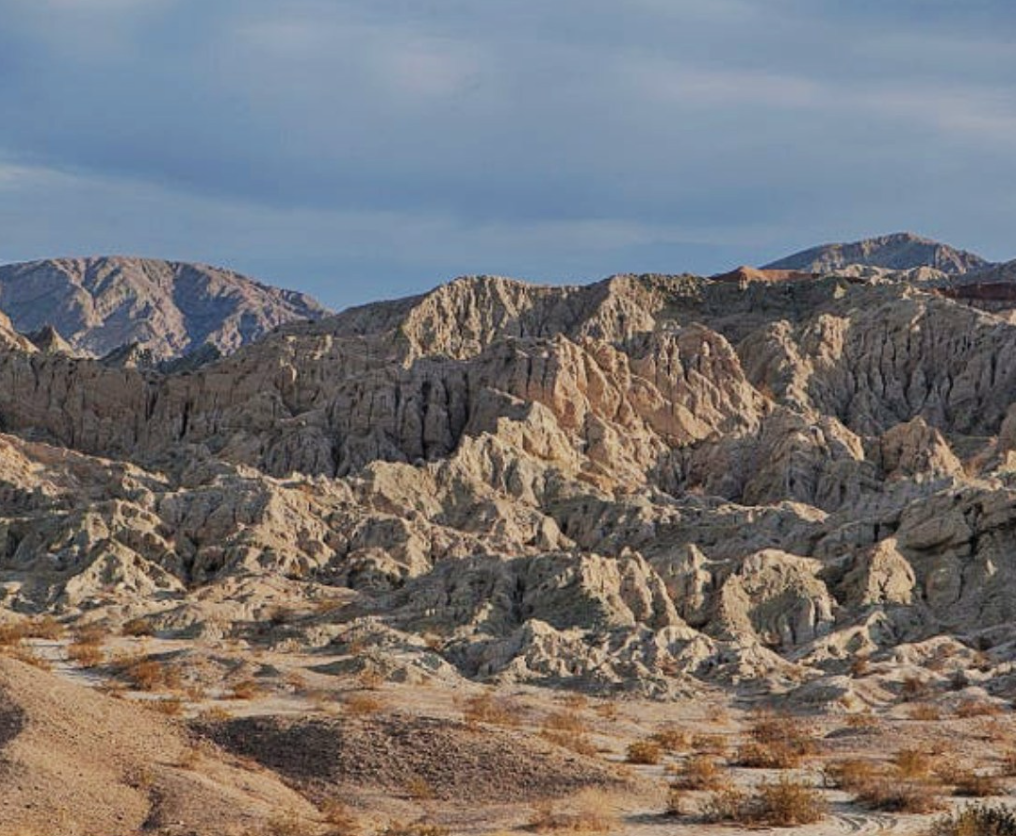
A coalition of nine local, state and national groups Monday filed motions to intervene in a lawsuit that seeks to end federal protections for land in the recently designated Chuckwalla National Monument.
The organizations from the Coachella Valley along with broader-based advocacy groups followed the Fort Yuma Quechan Indian Tribe in Arizona, Torres Martinez Desert Cahuilla Indians, the Morongo Band of Mission Indians and two other tribal nations in opposing the federal lawsuit in Michigan. The Texas Public Policy Institute and Mountain States Legal Foundation are litigating the suit on behalf of an individual miner and the Blue Ribbon Coalition, an Idaho-based organization that advocates for off-road vehicle enthusiasts’ access to wilderness areas.
The lawsuit seeks to undo the monument designation, which was established in January just before President Joe Biden left office on 624,000 acres of desert lands managed by the U.S. Bureau of Land Management in Riverside and Imperial counties near Joshua Tree National Park. Monument designation restricts mining, oil drilling and other industrial activity in protected areas and also limits access to motor vehicles to protect ecosystems and endangered flora and fauna.
The Texas Public Policy Foundation, a conservative think tank based in Austin, filed the suit May 1 in the Eastern District of Michigan federal court. The suit names Interior Secretary Douglas Burgum and the Interior Department as defendants, alleging that Dan Torongo of Brighton, Michigan, will be blocked from mining on Chuckwalla lands in his retirement and won’t be able to buy or stake new claims. Since 1978 Torongo’s family has held mining claims in the Chuckwalla Mountains.
The lawsuit also claims federal protections prevent driving, hiking and exploring trails inside the monument by off-roading enthusiasts from the BlueRibbon Coalition.
The groups named in Monday’s motion to intervene include the CactusToCloud Institute, California Native Plant Society, CalWild, Center for Biological Diversity, Conservation Lands Foundation, National Parks Conservation Association, Sierra Club, Vet Voice Foundation and The Wilderness Society.
“These organizations each have interests and expertise in the monument’s designation, and intervention by interested parties is critical,” according to a statement by Earthjustice, which along with attorney Joseph Lavigne are providing legal representation to the intervening parties. “Even if the US government vigorously defends the monument, it does not have the same interests as local tribes or this intervening coalition,” monument advocates said.
“Chuckwalla National Monument is more than just land to me — it’s a part of my personal story,” CactusToCloud Institute co-founder Colin Barrows said in a statement. “I grew up exploring the winding Painted Canyon on foot, and continue to find new adventures driving along the network of off-highway vehicle trails on the Chuckwalla Bench. It has become a sanctuary where I have found solitude, shared special moments with my wife, and introduced countless others to the unique beauty of our desert. This monument is a living classroom for geology, rare plants and climate change, and a vital, sustainable economic driver for the Coachella Valley. Its designation ensures that everyone, especially those who might not otherwise have the opportunity, can experience the exceptional beauty and rich culture of our desert.”
Leading up to the monument designation this year, supporters spent years vetting boundaries and consulting with tribes, veterans, business owners, local elected officials, recreation and conservation groups and community members to identify and document the area’s unique resources and values worthy of federal protections, according to Earthjustice.
“Chuckwalla contains critical wildlife habitats, Indigenous cultural significance, access to nature and numerous historical sites that should be preserved for generations to come,” Joan Taylor, chair of the Sierra Club’s California/Nevada Desert Committee, said in a statement.
Supporters said Chuckwalla National Monument benefits local economies, protects lands significant to 13 Native American tribes, ensures equitable access and outdoor recreation including camping, picnicking, driving off-highway vehicles, hunting and other activities and safeguards many things of historical, scientific and ecological value. In addition to tribes, monument advocates include the state and local governments, state and federal elected officials, veterans, more than 300 businesses, business groups and chambers of commerce, over 370 scientists and residents of surrounding areas.
“California veterans spent years advocating for the designation of Chuckwalla National Monument not just because of its breathtaking landscapes, but because it tells the story of our service,” Janessa Goldbeck, a U.S. Marine Corps veteran and CEO of the Vet Voice Foundation, said in a statement. “From the World War II training grounds scattered across the desert to its proximity to active duty bases, Chuckwalla is a place where military families can reconnect with each other, with the land, and with their sense of purpose. Veterans have a long history of protecting America’s public lands, going all the way back to Teddy Roosevelt, who was both a soldier and an outdoorsman. This monument continues that legacy of service.”
Republican and Democratic presidents have used the 1906 Antiquities Act to designate monuments, and the U.S. Supreme Court a century ago and other courts in the decades since have consistently upheld the president’s authority to determine locations and how much area to protect, according to Earthjustice. National monuments have protected key stretches of public lands in California such as Joshua Tree and Death Valley, which were designated in the 1930s by presidential decree.
The lawsuit, however, contends the Antiquities Act was not intended to create monuments of such large acreage.
“The Chuckwalla National Monument is the latest example of a president abusing the limited powers of the Antiquities Act to restrict access to hundreds of thousands of acres of public land,” BlueRibbon Coalition Executive Director Ben Burr said in a statement. “Our California members use this area for camping, off-roading, exploring and rockhounding, and the Monument Proclamation makes it clear that this designation will prevent our members from being able to fully enjoy these activities.”
Texas Public Policy Foundation attorney Anelise Powers said, “The earliest national monuments were between 160-1,000 acres, but now presidents are designating millions of acres at a time. It is abundantly clear that Congress never intended for the Antiquities Act to be used in this way, but that has not prevented the executive branch from using the Act as a vehicle to acquire extensive control over essentially all public lands,” she said in a statement.
Additional tribes that have formally opposed the lawsuit include the Chemeheuvi Indian Tribe in the Havasu Lake area and the Colorado River Indian Tribes.
“You can find our ancestors’ marks across the Chuckwalla National Monument. Indigenous people have been here since time immemorial, and we are still here today,” Morongo Chairman Charles Martin said in a statement. “We continue to come to Chuckwalla and maintain our cultural heritage. Without protections, that heritage is threatened by vandalism and desecration.”
The lawsuit’s court filing is available on the TPPF website.
In April reports surfaced indicating the Trump administration was considering reducing the size of several monuments including Chuckwalla.
During a recent Senate hearing, Department of the Interior Secretary Doug Burgum suggested Chuckwalla’s over 600,000 acres is too big.
“The question is not whether the monuments serve the purpose, I think the real question is the size,” Burgum said, responding to questions from Sen. Alex Padilla, D-California.