


By Suzanne Potter, Producer
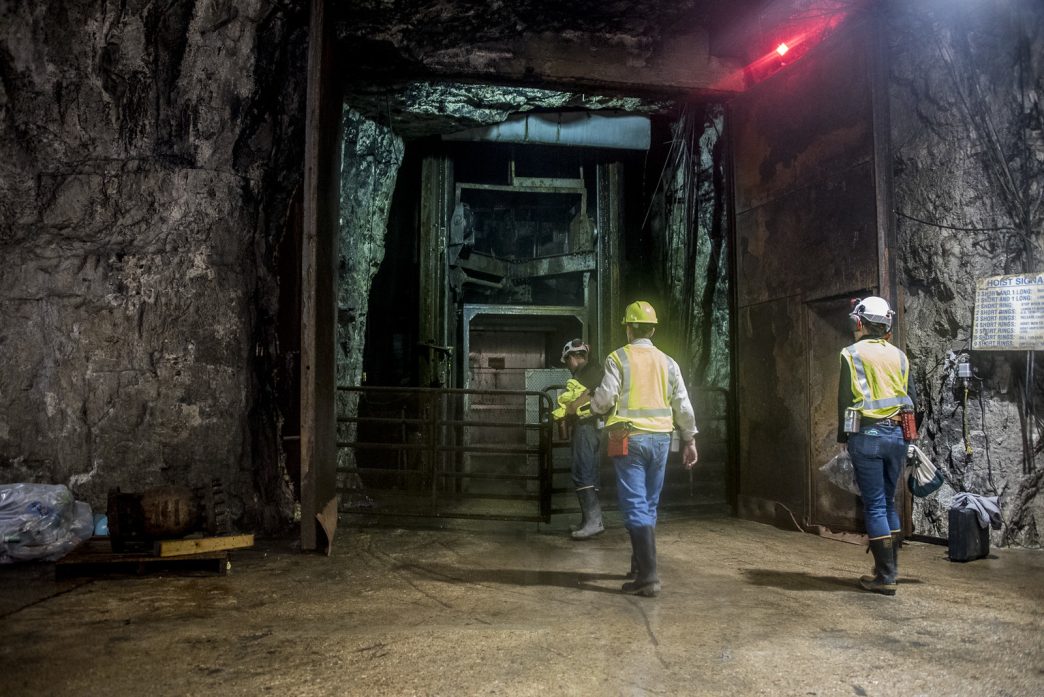
A new documentary looked at ways to reduce the human and environmental harms stemming from the mining of “critical minerals.”
Without minerals like cobalt, nickel and lithium, there would be no cellphones, electric vehicles, solar panels or long-storage batteries.
Mira Rubio, who directed the documentary for the Trade Justice Education Fund, said people in mining communities often do dangerous work for poverty-level wages.
“In cobalt mines in the Democratic Republic of Congo, people, including children, who are making cents on the dollar, digging minerals that are ending up in $80,000 Teslas or iPhones, they’re risking their health and yet they may never have access to clean air or stable electricity,” Rubio pointed out.
She noted mining has also led to widespread deforestation and toxic pollution. The film, “CRITICAL MINERALS: Creating a Just & Sustainable Clean Energy Transition,” will be screened at the Social and Economic Justice Film Festival in San Francisco next week.
Advocates want the government to use its arguments to negotiate agreements to enforce labor rights and environmental protections. They also support an international standard called free, prior, and informed consent, which would guard against corporate exploitation of indigenous communities.
Rubio explained the nation may already have enough aboveground minerals to meet much of the global demand, if products were designed to be recovered and reused rather than trashed.
“If we can mine less and use the minerals that are already out there by using a circular economic model, that would really help reduce the amount of emissions we’re putting out and help make the transition more sustainable,” Rubio contended.
Disclosure: The Trade Justice Education Fund contributes to Public News Service’s fund for reporting on Livable Wages/Working Families, and Social Justice. If you would like to help support news in the public interest, visit https://www.publicnewsservice.org/dn1.php.