

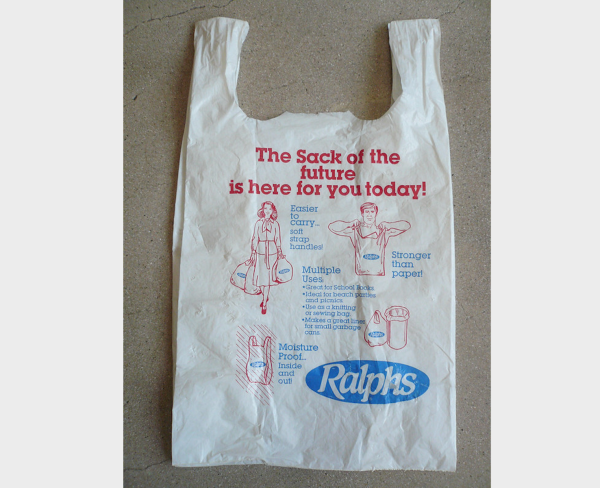
Gov. Gavin Newsom on Sunday signed a bill banning California grocery stores from providing customers with plastic shopping bags.
Supporters said the ban will help reduce a major source of waste affecting landfills and the environment.
Sen. Ben Allen, D-Santa Monica, and Sen. Catherine Smith Blakespear, D-Encinitas, whose 38th District also includes parts of south Orange County co-sponsored Senate Bill 1053. The new law builds on SB 270, which banned single-use plastic bags but allowed grocery stores to continue offering plastic bags to customers if the bags were reusable and recyclable.
Critics of the law said consumers did not significantly reuse the thicker bags. CalRecycle reported that since SB 270 became law, Californians disposed of more grocery and merchandise bags from 157,385 tons of plastic bags in 2014 when California passed the partial ban to 231,072 tons in 2022 — a 47% increase.
“I thank Governor Newsom for signing this important legislation that will help protect California’s environment,” Blakespear said in a statement Sunday. “Instead of being asked do you want paper or plastic at checkout, consumers will simply be asked if they want a paper bag, if they haven’t brought a reusable bag. This straightforward approach is easy to follow and will help dramatically reduce plastic bag pollution.”
The newly signed law does not limit the separate sale of any type of bag. However, it does require that only paper bags be available at checkout counters. Consumers may also bring used bags for grocery shopping.
The law takes effect Jan. 1, 2026.