

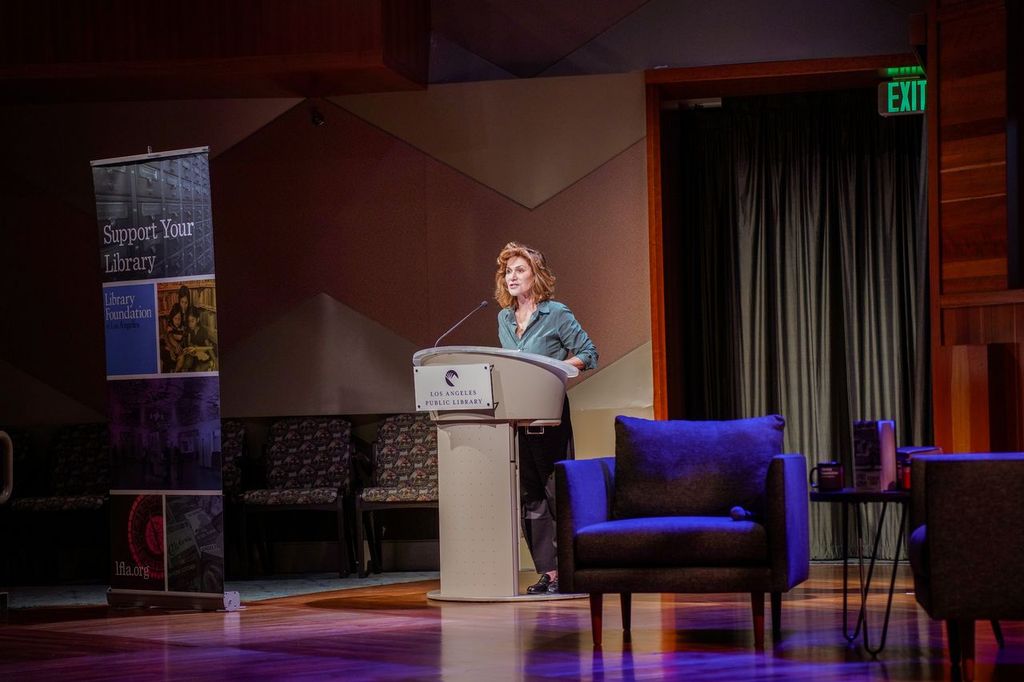
The Library Foundation of Los Angeles’s ALOUD Series returns this fall with a slate of timely conversations and urgent questions shaping our world today. Prominent creatives, cultural critics and writers will discuss themes that include the rise of authoritarianism to the politics of tech platforms, and examine Black female friendship, queer joy, and new works by literary icons.
These talks — some of which are free to the public — will take place at the Mark Taper Auditorium at the Central Library in Los Angeles at 7 p.m. from Sept. 18 through Dec. 10.
Distinguished political journalist and New York Times bestselling author Ben Rhodes opens the season that showcases vital new works by National Book Award finalist Angeles Flournoy, transgender artist and activist Tourmaline, acclaimed writer Susan Orlean, award-winning novelist Gish Jen, James Baldwin scholar Nicholas Burges and legal scholar and tech policy expert Tim Wu.
Guest moderators and conversation partners include the new executive director of the ACLU of Southern California Chandra S. Bhatnagar. Emmy-award winning writers and actors Lena Waithe, Issa Rae and Ashley Nicole Black and Pulitzer Prize-winning playwright Tony Kushner will be joined by a cast of notable actors.
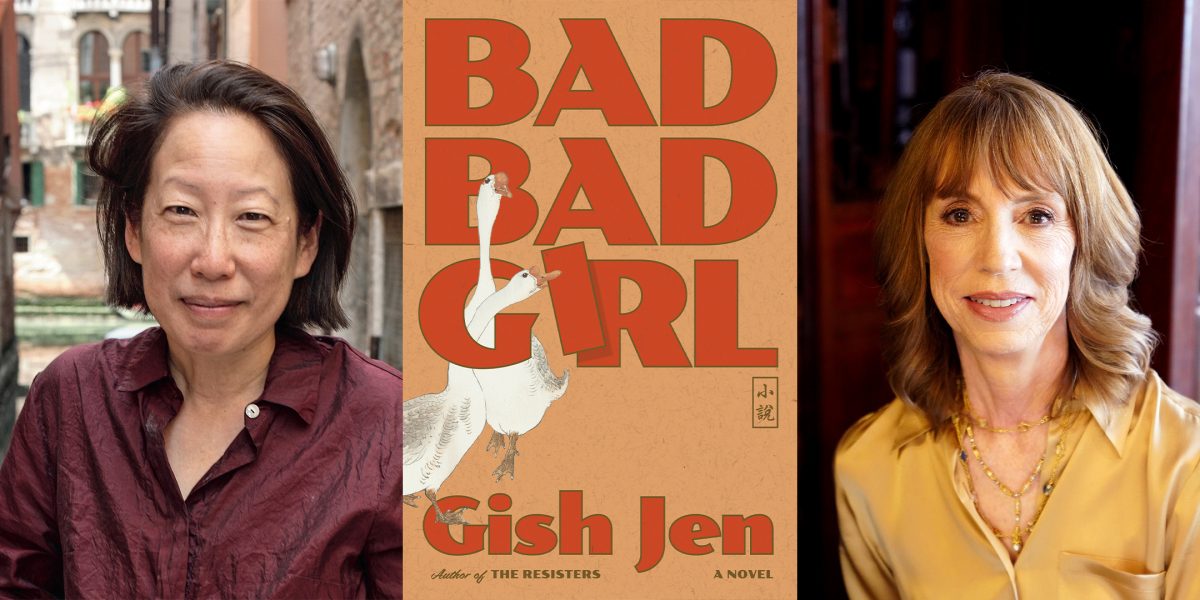
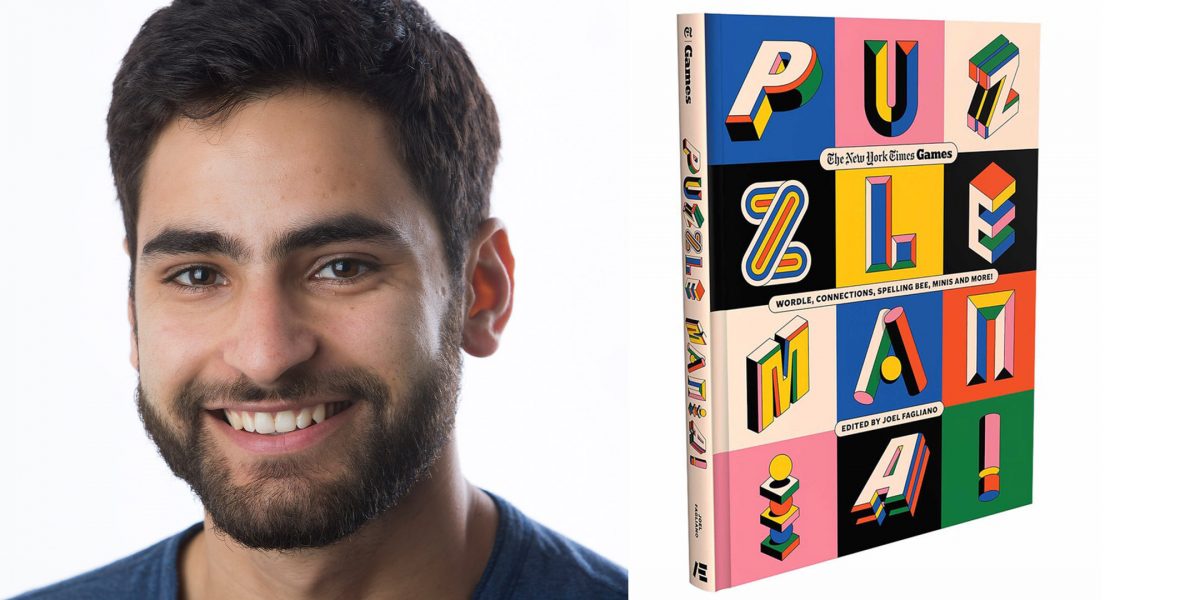
The season closes on a mirthful note with a pair of enjoyable programs featuring New York Times Cooking recipe creator and “Cookies” author Vaughn Vreeland and a special evening with lead puzzle editor at the NY Times Games Joel Fagliano and guests to mark the release of Puzzle Mania!
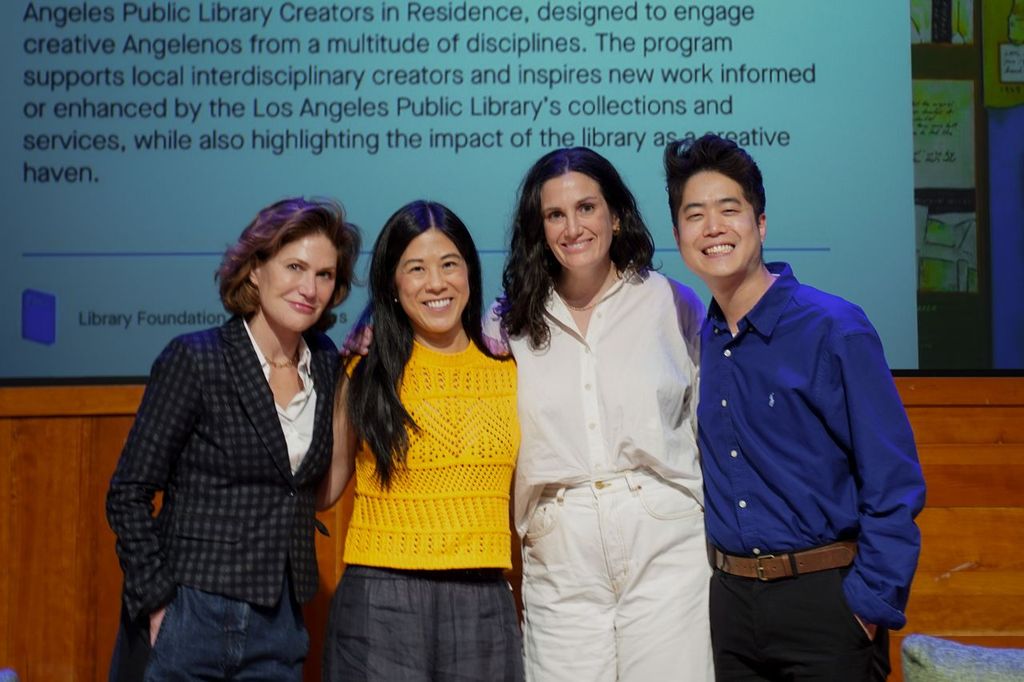
Selecting the themes for these discussions rests on LFLA’s senior director of programing and strategic engagement Jessica Strand. To shape the series, she partnered with the ACLU of Southern California and the New York Times for a balanced line-up aligned with the organization’s mission.
With her literary pedigree, East Coast credentials, and engagement with LA’s civic life, Strand is perfectly suited for the role. Her father was the Pulitzer Prize-winning poet Mark Strand; she has authored ten cookbooks and previously ran the “Books at Noon” series for the New York Public Library.
Given her father’s fame, it’s easy to imagine Strand having had an extraordinary childhood — her family hosting salons with plenty of cerebral exchange and lively discourse in their living room.
“I did grow up around lots of well-known writers, poets, and visual artists,” reveals Strand. “My parents were divorced when I was nine years old, so the largest chunks of time I spent with my father were during summers in far-off places. I wasn’t aware of it being special or different than other people’s childhoods since I had nothing to compare it to.”
Asked why she decided to author lifestyle rather than literary books, Strand replies, “I did try my hand at a novel many years ago which made the rounds but didn’t make it to print. But I put together a couple of anthologies: one of my literary programming at the Strand Book Store that Norton published and the other was a small, sweet, illustrated collection of love poems by poets over the ages which Chronicle Books published. I’m thinking my way through a project that I’m hoping to start writing in the coming months — a kind of autofiction piece about my crazy family.”
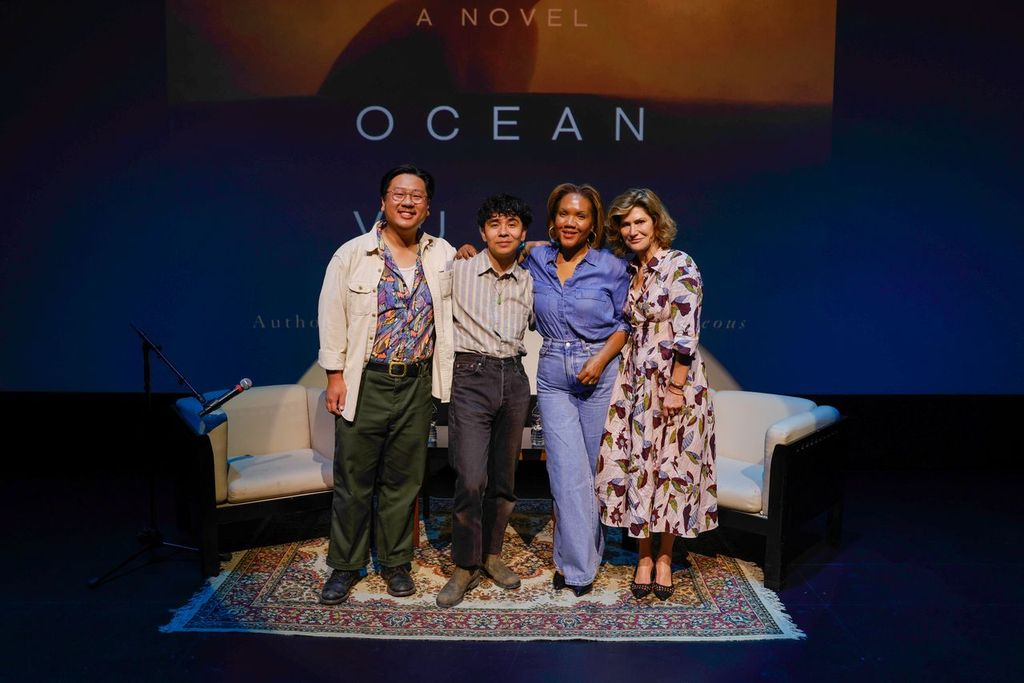
A confirmed bibliophile, she reads to be informed and entertained and usually several books simultaneously. “I wish I had more time to read novels than I do,” says Strand. “I have lots of books going at once and try to listen in my car as well. I also read The New York Review of Books and The New Yorker. I often find a kernel of something in them that inspires an idea for a program. Though I finished it, the new Ocean Vuong still sits on my nightstand next to ‘Glitz, Glam and a Damn Good Time’ — a zany book about Mamie Fish, one of the queens of the Gilded Age.”
While Strand had to relocate to Los Angeles when she accepted the position at LFLA, she isn’t a stranger to the city. But that’s not to say that there weren’t some things to adapt to.
“I lived in Los Angeles for 10 years before moving to New York,” Strand discloses. “I largely grew up in New York City but have had a bicoastal life. When my mother got very ill, I felt it was time to come back to the West Coast. It was an easy move because I had a whole group of friends here already.”
“The biggest adjustment was the attitude toward culture — in New York, people reside right in the heart of the city and are willing to live modestly to be part of everything going on,” confesses Strand. “You’re expected to have seen exhibits, read certain books, gone to plays, etc. Los Angeles is full of wonderful cultural things to do but there is no expectation to participate. Here it’s about lifestyle and the outdoors; culture is part of the landscape but not an essential facet of everyone’s existence.”
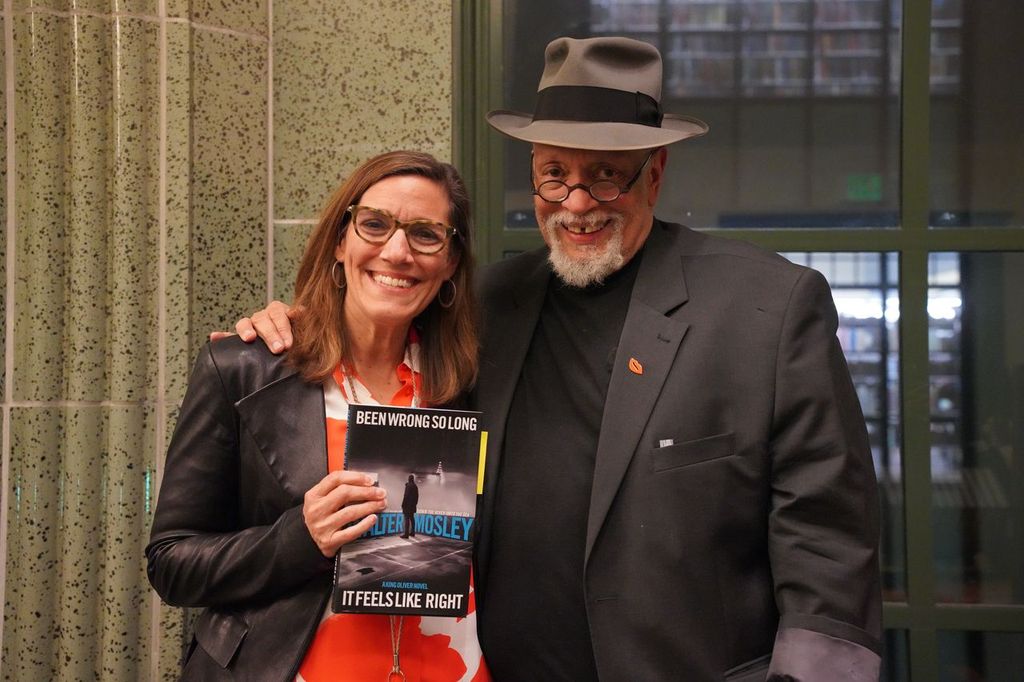
Strand’s initial concept when she first came to LFLA was to do literary programs then branch out into current events and social justice-related topics and people. To that end, she expanded the Library Foundation’s ALOUD series which was created in 1992 as a live conversation with authors.
“My predecessor is responsible for creating the author series that put ALOUD on the map,” Strand clarifies. “I’ve altered it in the last seven years to include thematic programs, several revues — more cabaret than conversation — and ALOUD in Community where we work with a curator or artist on a series for the library. Together, we choose three to four branches to host the programs, with ALOUD’s financial and administrative support.
“Cultural programming can’t rest on a literary series anymore. Those are everywhere — several for-profit series exist in Los Angeles, and bookstores host them. ALOUD tries to present different types of series under one umbrella, so we can remain relevant and a bit different. We’re also 90% free. When we do charge, we sell the book, and the ticket price is never more than $10 to $12 above the book price — only to cover venue costs.”
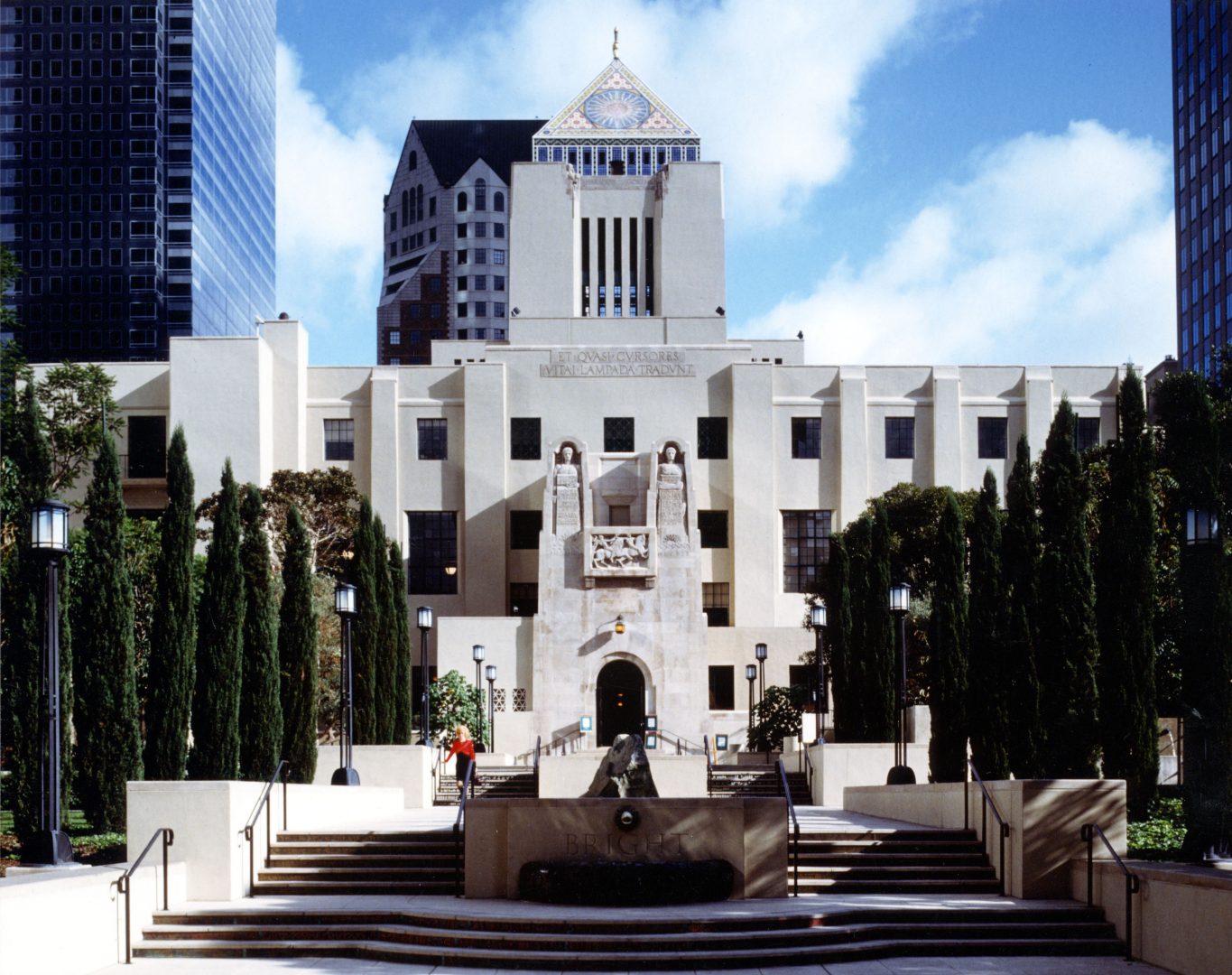
ALOUD sets itself apart from other library series. Strand points out, “We’re different in that we present very high-level programming you’d usually have to pay for elsewhere. We also conceived a program called a ‘Night at the Library.’ It’s an event our small team, together with terrific partners, staged last February. From 8 p.m. to midnight, we welcomed 3,000 people into the Central Library, where more than 240 artists were performing, creating, and making throughout the building. The LA Phil performed an experimental opera on the escalators, BodyTraffic performed in the Central Library’s rotunda. We’re planning to do it again this year and opening more of the library.”
The topics explored in the ALOUD series aren’t based on personal whim. Strand explains, “I respond to what is going on around me. This includes local and world politics, trends in culture and literature, and ideas that are being discussed. I have a wonderful team — Tiffany Colli-Moon and Jorge Martinez — who both share their ideas and thoughts, and as a group we discuss what we think we should pursue in terms of talent.”
ALOUD’s fall 2025 line-up covers diverse and wide-ranging subjects — some of which are quite weighty, and others are lighthearted. It is an intentional blend of serious and cheerful topics.
“I went from heavy and important to something lighter and completely fun for the holiday season,” emphasizes Strand. “I am a strong believer in mixing up the programming. No one can tolerate a full diet of anything. I want our audience wanting to come back. The hope is to keep people engaged and interested by moving from different topic genres and production styles.”
Strand describes how she selects who will talk with the authors in the series. “Several things can happen. Often, the speaker has someone they’d like to be in conversation with — and if this person is a close friend, it usually makes for a terrific chat. Sometimes, I think about the person’s work and who has done something that may be similar in style or subject matter. Other times, it’s about influence — maybe the two speakers were heavily influenced by the same person. Pairing is a complicated game and is part feel, part knowledge, and part what would be off-beat and fun.”
There isn’t a typical audience size and it’s difficult to say which topics attract more people.
“The audience fluctuated last season from around 80 to 900,” Strand states. “The size depends on the popularity of the person presenting. Name recognition, together with publicity, makes for a popular show. There is no subject that is more popular than another; it’s all personality-driven. ALOUD might present an incredible novelist who has published numerous books and has been translated into multiple languages, but they’re not part of the pop culture machine at the moment. So it may pull a smaller audience while someone who has less experience in the book world but is active on social media draws a robust crowd.”
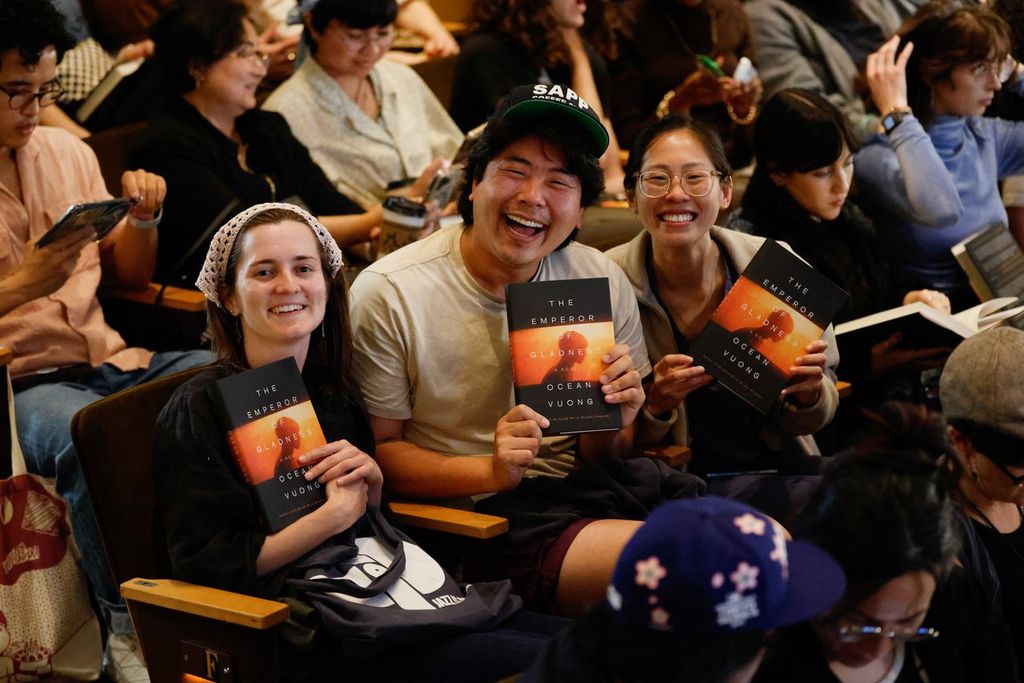
It’s impossible for Strand to single out one engaging and memorable ALOUD discussion since she took over the programming at LFLA. Says Strand, “That’s like naming a favorite child, which I can’t do. But I can tell you what makes me most happy after a program. First, if the audience is engaged, reacting in real time, completely taken with the discussion. Second, if the speaker loves the discussion and leaves invigorated and glad that they did the program. And third, if after the program is over the audience is still talking about it as they stream out of the theater and hang around the lobby.”
Much thought and deliberation go into each ALOUD show. Strand and her team ensure that both the presenters and audience take away something rewarding from the experience. And they don’t want to deliver an unforgettable discussion; they aspire to provide the impetus for community involvement.